
 ع
ع

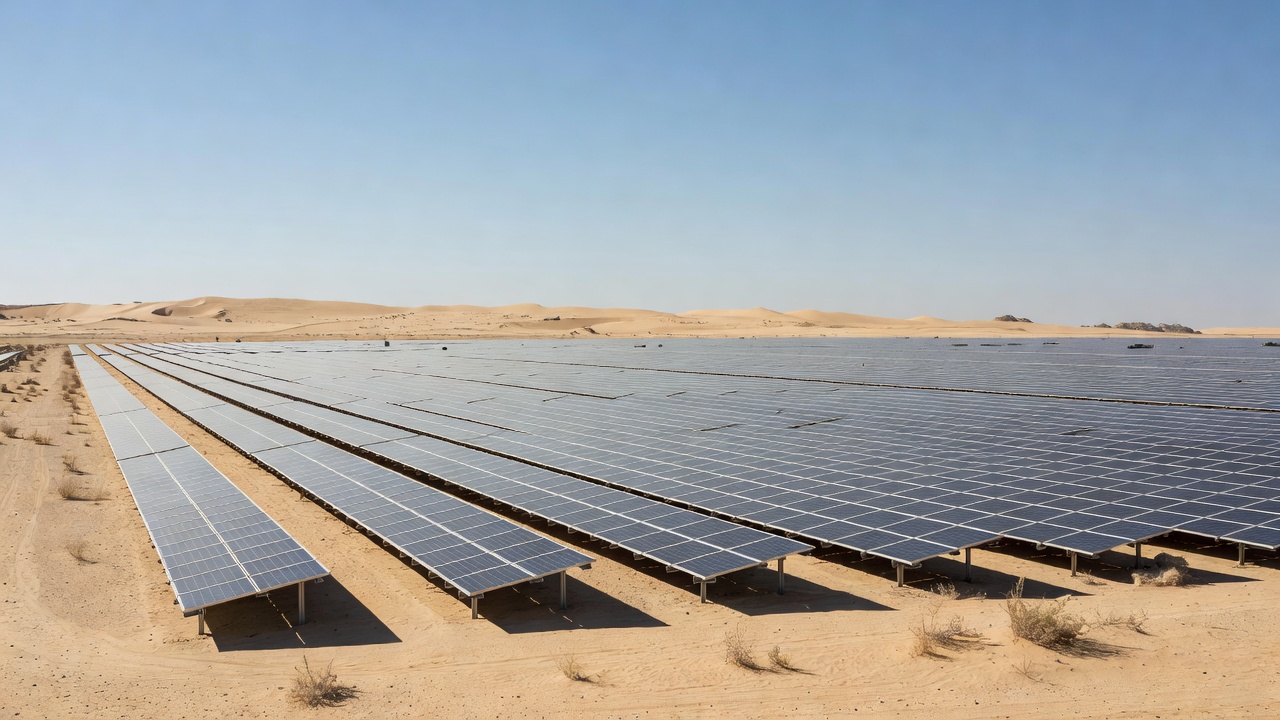

The Business and Human Rights Resource Centre published its report titled “It would change my life” in August 2026 after re-interviewing 26 Nepali and Bangladeshi workers between March and July. According to the centre, none of the workers had been contacted about the abuses documented in 2025, none had received any form of remedy, and none knew of colleagues who had been offered reparations. Workers told researchers that project conditions remained unchanged with one stating there had been no change and everything was like before. The centre’s evaluation concluded that grievance mechanisms operated by linked companies were wholly inadequate and fell short of international standards.
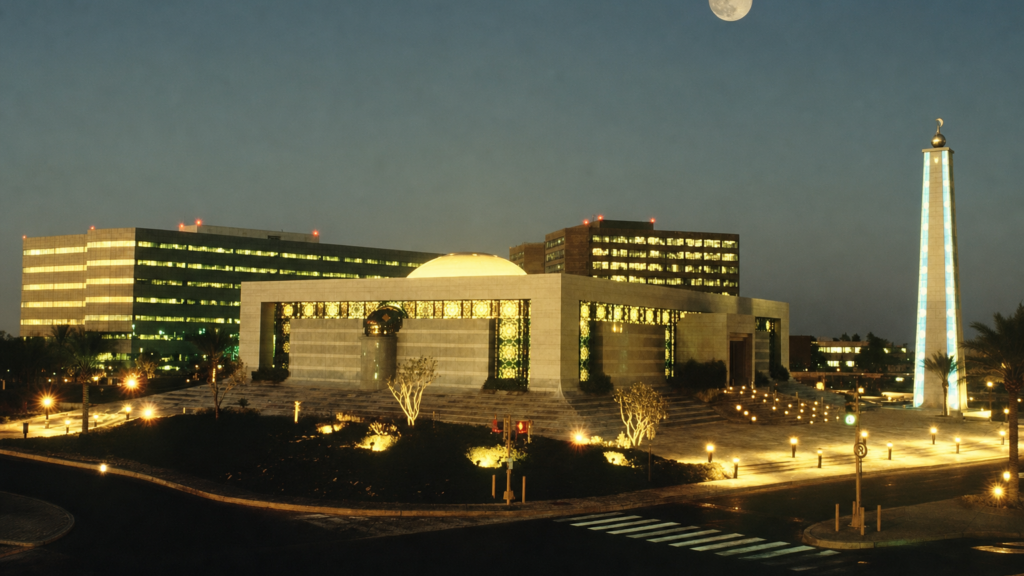
Arab Petroleum Investments Corporation financed two of the nine solar and green hydrogen projects examined in the report, according to a Business and Human Rights Resource Centre document. The multilateral institution, founded in 1974 by ten Arab governments to invest in energy and petroleum sectors, was among more than a dozen entities that did not reply when invited to address the findings prior to publication. By August 26, 2026, the centre had received responses from 14 companies while recording non-responses from APICORP and others including the Public Investment Fund, Saudi Aramco and several banks. The centre listed five project developers with direct supply chain links to the documented abuses.
The 2025 investigation by the Business and Human Rights Resource Centre identified labour violations consistent with forced labour affecting more than half of 34 interviewed workers who each reported five or more International Labour Organization indicators. Abuses included excessive recruitment fees leading to debt, wage theft, exposure to extreme heat without adequate protections and restrictions on movement. The August 2026 follow-up found that 14 of the 17 workers still with the same employer reported no improvements in conditions since the initial disclosures.
Saudi Arabia has expanded its renewable energy portfolio under the Vision 2030 programme with multiple gigawatt-scale solar and green hydrogen initiatives that have drawn substantial international financing. The Public Investment Fund, ACWA Power, NEOM and Air Products figure among the developers named in the report with supply chain connections to the affected projects. A Business and Human Rights Resource Centre assessment placed shared responsibility on developers, contractors and financiers to investigate the abuses and deliver remedy aligned with the United Nations Guiding Principles on Business and Human Rights.
The report urged companies to engage directly with the workers to determine appropriate reparations that address their specific needs and expectations for justice. According to the Business and Human Rights Resource Centre, the absence of any outreach over eight months compounded the initial violations and left workers without recourse through company channels. One worker expressed that proper remedy would change his life, the centre reported, highlighting the lasting impact of unresolved grievances on migrant labourers who constitute a large share of the kingdom’s energy project workforce.
The Business and Human Rights Resource Centre has monitored corporate human rights impacts in the Gulf for years and previously documented similar patterns of abuse in construction and infrastructure sectors across the region. Its latest findings on the renewable energy transition underscore persistent gaps in due diligence and remedy processes among financial backers and operators. The full assessment including detailed company linkages and worker testimonies is available through the centre’s publications.