
 ع
ع

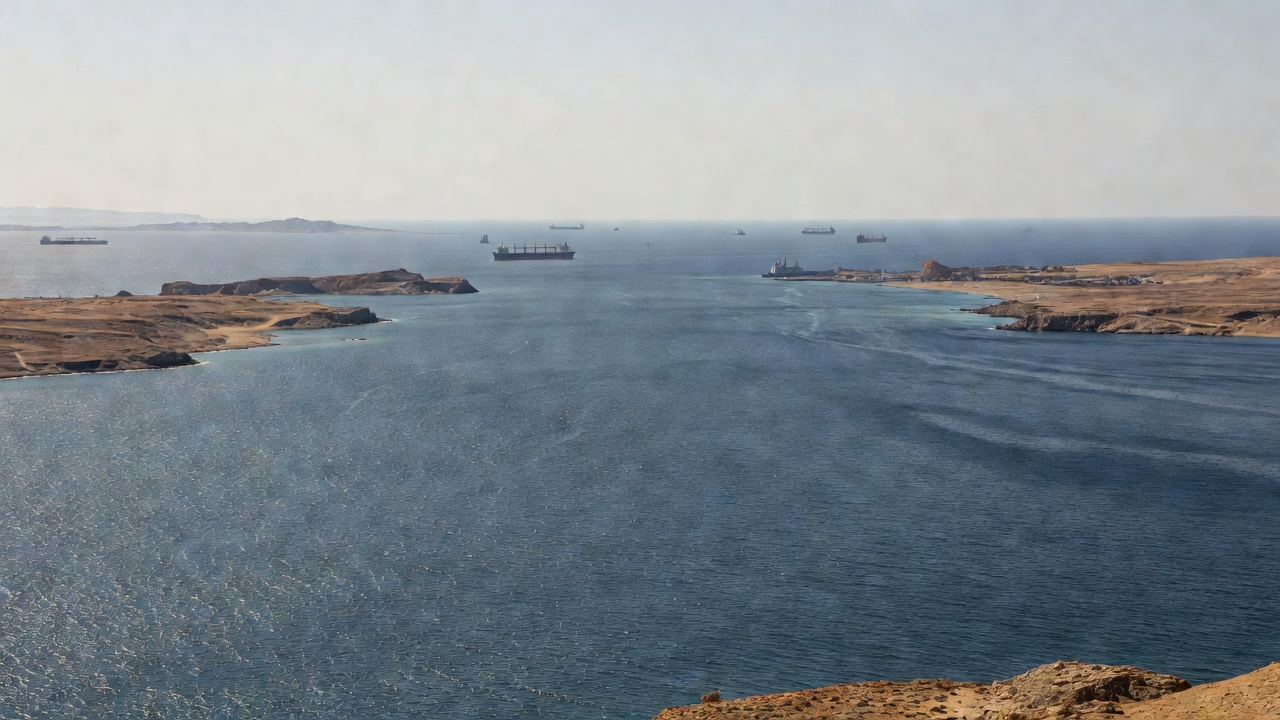

US Central Command announced that American forces began striking Islamic Revolutionary Guard Corps targets in Iran at 12 p.m. ET on September 1 2026. The operation followed recent IRGC attempts against commercial vessels in the Strait of Hormuz and US service members in the region according to the command’s post on X. Iran’s state broadcaster reported explosions on Qeshm Island along the northern edge of the waterway while the state-linked Nour News agency cited blasts in the port city of Bandar Abbas and further south in Chabahar. A Reuters report detailed how the strikes quashed hopes that last weekend’s exchange might not lead to wider conflict.
Oil prices had climbed after the initial weekend attacks and reports that two supertankers were hit departing the strait according to shipping intelligence firms cited by Reuters. The waterway which a Soufan Center assessment noted sees approximately one-fifth of global energy supplies had been effectively closed to shipping by Iran. US President Donald Trump threatened to hit Iran hard in response while Treasury Secretary Scott Bessent signaled that new bank sanctions were likely in the coming days.
Iranian officials maintained a defiant stance in the face of the latest US action. Parliament speaker Mohammad Baqer Qalibaf was quoted by Iranian media as warning that if the enemy prevented oil exports from the Persian Gulf then no one would export oil. Foreign Ministry spokesman Esmaeil Baghaei told a Tehran press conference that Washington was addicted to excessive demands and that such an approach would yield no results beyond what had already occurred.
The strikes mark the latest flare-up in a six-month-old conflict that began with US and Israeli action on February 28 and has killed thousands in Iran and Lebanon according to a Reuters assessment. A June memorandum of understanding had aimed to end the fighting but deferred core issues and led only to a 60-day negotiation window that expired without agreement. The confrontation had shifted toward an economic standoff involving sanctions and blockades before the weekend’s direct attacks resumed.
Iranian President Masoud Pezeshkian stated at a Shanghai Cooperation Organisation summit in Bishkek that Tehran would immediately reciprocate if Washington returned to its commitments under the June memorandum. A senior Iranian source told Reuters that the weekend action represented a limited and contained confrontation even as both sides pledged responses to further strikes. The scale of any resumption in full hostilities remained unclear as of Tuesday evening.
US Central Command framed the operation as a direct response to IRGC threats against shipping and deployed forces. The command’s announcement came hours after Trump reiterated warnings of strong retaliation and as oil markets reacted to the instability in the critical waterway. Iranian officials showed no public indication of yielding to the combined military and sanctions pressure.