
 ع
ع

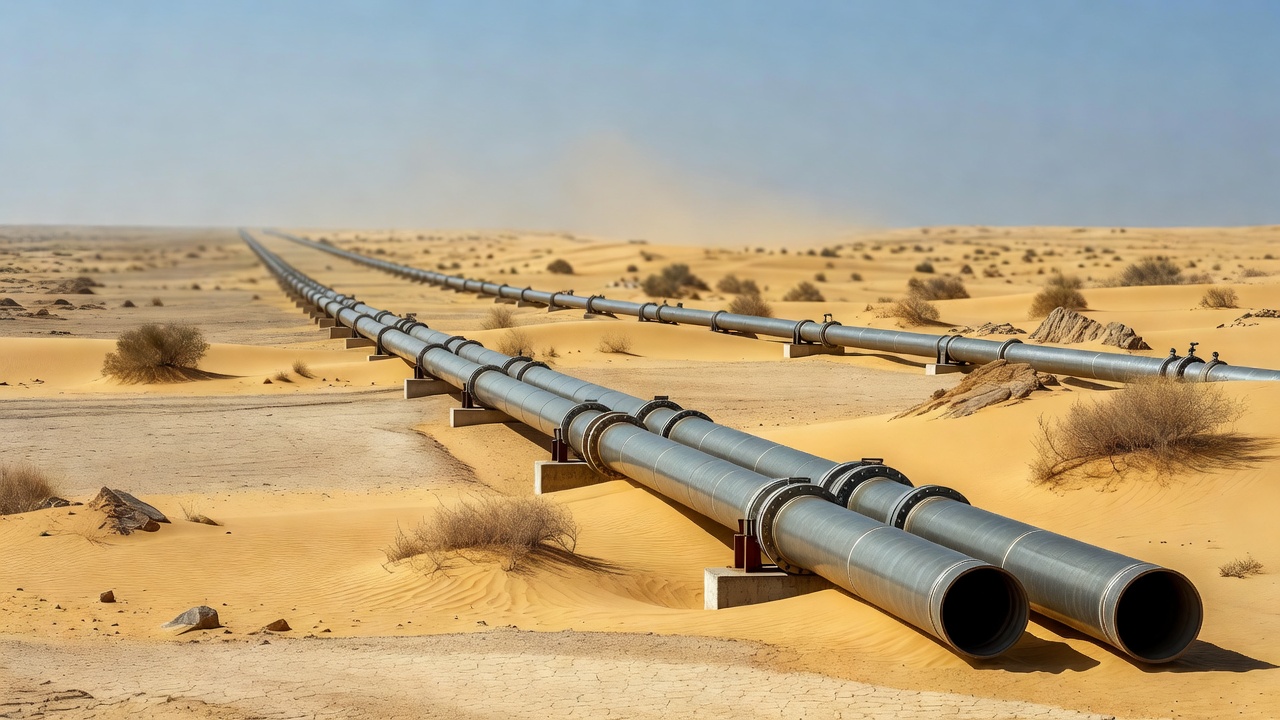

Kuwait Oil Company finalised the $16 billion infrastructure transaction with Blackstone, Brookfield Asset Management and KKR at the end of July, creating a joint venture to manage the state’s 320-kilometre crude pipeline network. The MEED report published on September 2 described the deal as the largest energy infrastructure agreement ever reached in Kuwait and the biggest foreign direct investment the country has recorded. KOC retains 51 percent of the venture alongside full ownership and operational control, while the three international partners committed an upfront payment of $7.85 billion to back Kuwait Petroleum Corporation’s capital expenditure programme. This activity persisted even after Iranian strikes damaged multiple oil facilities and forced operational adjustments across the sector.
The government had raised $6 billion in international bonds only days earlier on July 22, drawing $14.8 billion in orders and achieving tighter pricing spreads than its previous issuance late last year. MEED noted that both the bond sale and pipeline partnership arrived against a backdrop of repeated attacks that began after the US and Israeli strikes on Iran on February 28. Kuwaiti industrial sites, military bases and fuel storage areas sustained hits during the opening phases of the conflict, yet authorities maintained focus on long-term investment commitments. The pipeline accord in particular signals continued international confidence in Kuwait’s energy sector despite the hostilities.
Iranian actions targeted the Mina Abdullah and Mina Al-Ahmadi refineries on several occasions, leading South Korea’s Samsung E&A to undertake repairs at the facilities that were originally built under its earlier contracts. A drone strike in April ignited a fire at the Kuwait Petroleum Corporation headquarters in Shuwaikh, prompting staff to shift to temporary premises 40 kilometres south of the capital. According to the MEED assessment, the company had still completed the landmark pipeline agreement by the close of July, illustrating how core operations adapted rapidly to the new security environment. Repair schedules and contingency measures have since allowed partial resumption at affected sites.
Kuwait possesses roughly 6 percent of the world’s proven oil reserves and maintains output near 2.58 million barrels per day in line with its OPEC+ obligations, figures that underscore the strategic weight of its energy infrastructure. A Bloomberg compilation of official data placed the country’s sovereign reserves above $1 trillion, providing a substantial buffer that has enabled sustained spending and deal flow through the crisis. The Kuwait Investment Authority, which oversees a large share of these assets, has supported fiscal stability even as the war has strained export routes through the Strait of Hormuz. These financial resources have proven critical in absorbing the economic impact of the past six months.
Business surveys referenced in the MEED report indicated that Kuwait’s non-oil private sector expanded again at the start of the third quarter after contracting sharply when the conflict erupted. Economists have nonetheless projected a 7.9 percent contraction for the full year of 2026, reflecting the cumulative damage to infrastructure and trade flows. The Central Statistical Bureau’s earlier baselines showed non-oil growth had already faced headwinds before the war, making the recent PMI rebound a tentative positive signal. Officials continue to monitor these indicators closely while advancing diversification initiatives.
The $16 billion pipeline partnership forms part of broader efforts to upgrade oil transport capacity and draw private capital into state-controlled assets without ceding operational authority. MEED highlighted that similar momentum has appeared in power sector tenders and other infrastructure bids that advanced during the same period. Regional economic reviews from bodies such as the World Bank have previously emphasised Kuwait’s need for such private participation to ease pressure on public finances. The latest transactions suggest policymakers remain committed to that trajectory even under direct threat.
As the confrontation with Iran nears its seventh month without a comprehensive truce, Kuwaiti entities have prioritised business continuity alongside national defence requirements. The MEED article observed that these deals reflect a deliberate strategy to keep economic wheels turning and to project stability to global markets. Further tenders in upstream oil and water infrastructure are expected to follow similar patterns in the coming months. International partners appear willing to engage provided the underlying assets and legal frameworks retain their integrity.