

 ع
ع

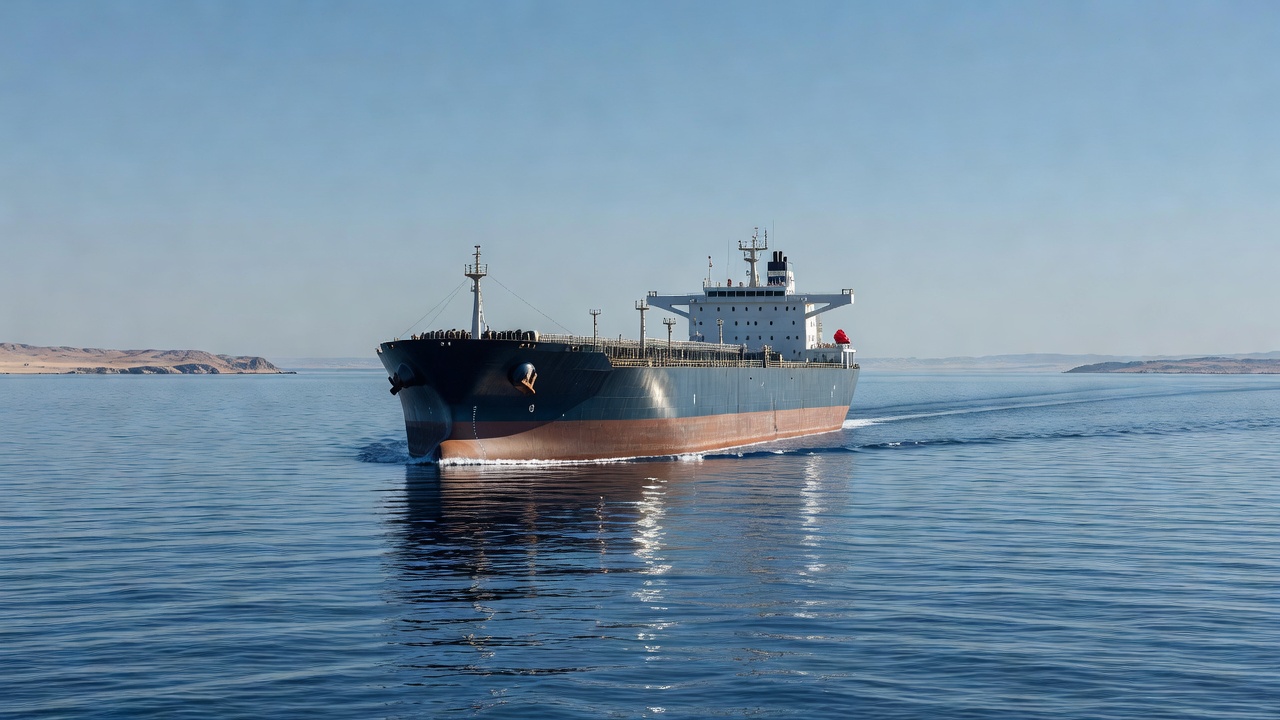

Brent crude futures advanced $1.05, or 1.25 percent, to $85.28 a barrel in early Friday trading while West Texas Intermediate contracts rose $1.03, or 1.3 percent, to $79.98 a barrel, according to Reuters. Both benchmarks have now climbed nearly 12 percent this week, leaving Brent on track for a third consecutive weekly gain and WTI positioned for its second. The latest increases erased the prior session’s losses and reflected fresh concerns over supply chokepoints in the Gulf region.
The United States carried out two major waves of airstrikes on Wednesday focused on targets near Iran’s southern coast and maintained operations through Thursday for the sixth consecutive night, a US Central Command statement said. This activity broke a fragile truce established the previous month under a memorandum of understanding that had temporarily eased direct hostilities. Iranian forces answered with barrages of missiles and drones aimed at American military installations in neighboring states, including a recently expanded base in Jordan.
International Energy Agency Executive Director Fatih Birol highlighted the stakes during an appearance on Thursday. “Oil security is still a critical issue,” he said at a Council on Foreign Relations event in Washington. “We should be worried, and I am worried, if the situation does not improve in the next few weeks.”
Iran’s leadership has told Houthi allies to stand ready to shut the Red Sea oil route if American strikes hit power infrastructure, three sources told Reuters. U.S. Energy Information Administration data shows the Strait of Hormuz typically handles around 21 million barrels per day, equivalent to roughly one-fifth of global petroleum liquids consumption. Related Reuters coverage cited Goldman Sachs assessments that Gulf exports had already fallen below 50 percent of pre-conflict levels in recent weeks.
An International Energy Agency commentary noted that cumulative supply losses from Middle East producers have surpassed 1.3 billion barrels since the onset of major disruptions earlier this year. Previous Red Sea rerouting episodes have increased global bunker fuel demand by approximately 100,000 barrels per day, according to IEA-linked analysis. IG analysts said WTI prices could test the mid-$80s range provided support holds above key levels in the mid-$70s.
The current tensions extend a pattern of volatility that has seen oil benchmarks surge more than 9 percent on some days when naval blockades were announced, prior Reuters reports indicated. Market participants continue to weigh the potential for further constraints on routes that carry a substantial share of seaborne energy trade. Separate corporate announcements, including one on enhanced data feeds for social media posts, were not tied to the commodity moves.