

 ع
ع

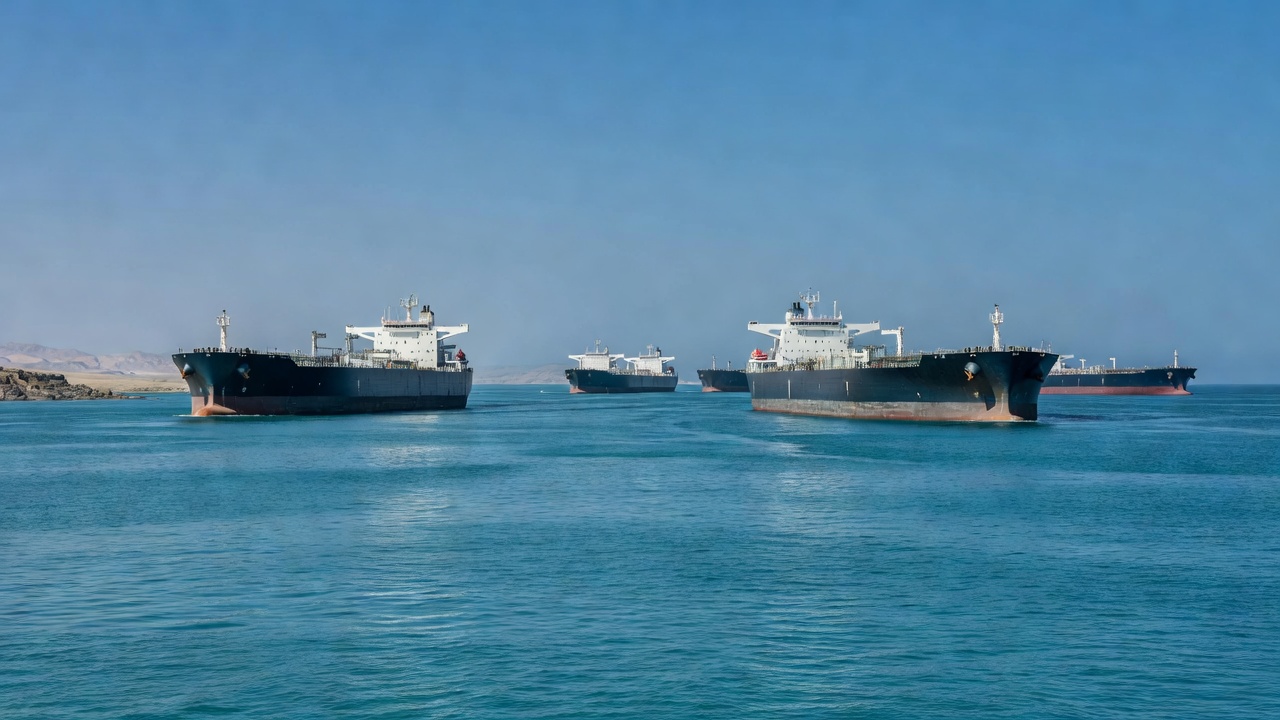

Provisional data from ship-tracking firm Kpler showed crude exports from the region exceeded the pre-war average of 18 million barrels per day on September 24 and from September 27 through 29, climbing to between 19.5 million and 22.5 million barrels per day. The seven-day moving average for crude exports stood at 18.5 million barrels per day on October 1. These volumes include transits via the Strait of Hormuz, the Red Sea, exports from terminals and ship-to-ship transfers in the Gulf of Oman.
Kpler data placed the overall average for crude, oil products, chemicals and non-gas liquids at 22.4 million barrels per day in the seven days to September 30. A Kpler assessment found that at least 16.5 million barrels per day of crude and condensate left the Middle East Gulf region between September 1 and 28, matching the pre-war average when Iranian volumes are excluded. The figures reflect a recovery from the sharp drop that followed the start of the US-Israeli war with Iran in late February.
Shipping intelligence firm Marisks reported at least seven incidents involving tankers in and around the Strait of Hormuz. The Kuwaiti very large crude carrier Kazimah III was struck by an unknown projectile on October 1 while operating in the strait, causing a fire onboard the vessel. Marisks added that Iranian forces may be targeting a designated “kill box” area.
Kpler tracking and satellite imagery analysis showed that 40 percent of the region’s crude now leaves without crossing the Strait of Hormuz, up from 17 percent before the war, primarily through Saudi and UAE pipelines to Red Sea or Gulf of Oman ports. Of the crude that did cross the strait in recent weeks, more than 70 percent changed tankers offshore in the Gulf of Oman, according to the Kpler assessment. The firm noted that excluding Iran, whose exports have fallen to near zero under a US naval blockade, the regional total has returned to pre-war levels.
Liquefied natural gas cargoes exiting the Strait of Hormuz rose in September to the highest monthly level since February, Kpler data showed. JPMorgan analysts separately estimated that Middle East crude shipments reached 17.5 million barrels per day in September, or 98 percent of pre-war levels, in a note that described the rebound as remarkable for a region still at war. The adaptations have included greater use of the Saudi East-West pipeline and offshore transfers to sustain flows despite the security risks.