
 ع
ع

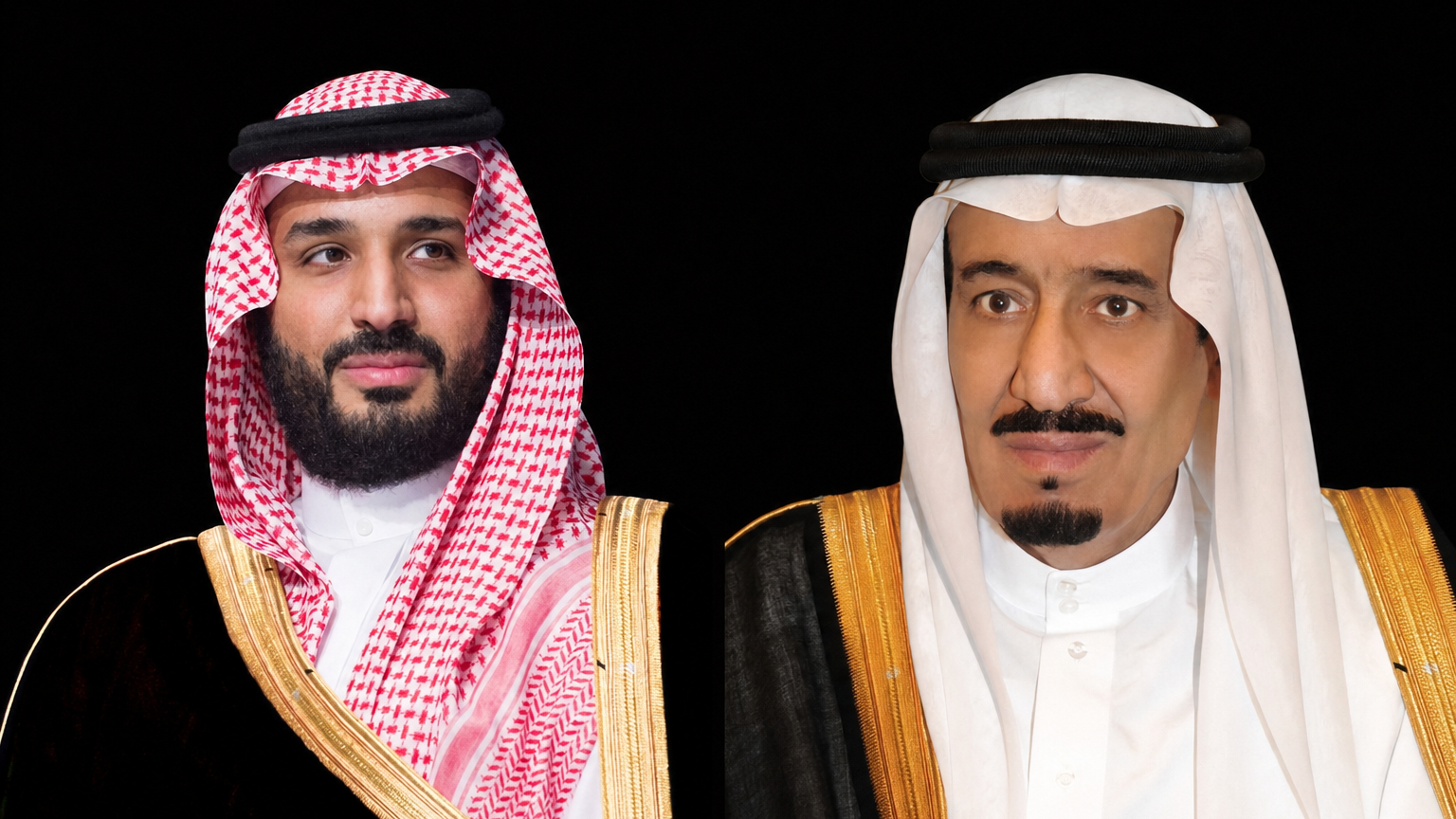

Crown Prince Mohammed bin Salman said in his address opening the third year of the Shura Council’s ninth session that performance indicators for Vision 2030 programs and strategies have reached 93 percent of their targets after ten years of reforms that have transformed the Kingdom’s economy. He highlighted non-oil exports that have grown 155 percent since 2016 alongside the private sector’s contribution to the economy that has climbed to 51 percent. The speech carried by the Saudi Press Agency also noted the transport and logistics system’s proven ability to handle global supply chain disruptions while preserving the flow of goods and services.
The Crown Prince outlined how the Public Investment Fund has activated its five-year strategy that prioritizes development of competitive domestic economic sectors through private-sector collaboration and higher local content. This focus reflects a deliberate reorientation of investment toward industries capable of delivering sustainable financial returns and supporting long-term diversification. The National Development Fund has backed these aims by channeling annual financing into multiple sectors to secure their strategic goals.
Saudi Arabia now leads globally in the Digital Readiness Framework, the ICT Development Index and a key cybersecurity metric while holding second place in the GovTech Maturity Index, according to the royal address. The Crown Prince designated 2026 as the Year of Artificial Intelligence to speed adoption of AI tools, raise productivity, upgrade services and develop Saudi talent in the domain. These gains form part of broader advances in digital governance that have streamlined public services across the board.
Previous Vision 2030 performance updates had likewise shown strong momentum, with the program’s 2024 annual report recording that 85 percent of initiatives stood either completed or on schedule at that stage. The latest milestone coincides with the plan’s entry into a third implementation phase that deepens economic diversification across regions and sectors. Central Statistical Bureau figures indicate the unemployment rate has fallen to 7.2 percent by the end of 2025 from 12.3 percent in 2016 as non-oil activities have expanded.
Improvements in housing, education and health care have widened opportunities for citizens, the Crown Prince added in the address. Real estate reforms have lifted home-ownership rates while labor market adjustments have increased female workforce participation beyond initial targets. These social developments accompany the economic indicators as authorities prepare for sustained implementation through the coming years.
The Kingdom’s logistics infrastructure has maintained stability amid recent international supply shocks, supporting both internal requirements and export growth ambitions. Saudi Arabia has also entered the list of the ten most attractive global destinations for mining investment. Such outcomes across multiple domains stem directly from the coordinated execution of national programs over the past decade.