
 ع
ع

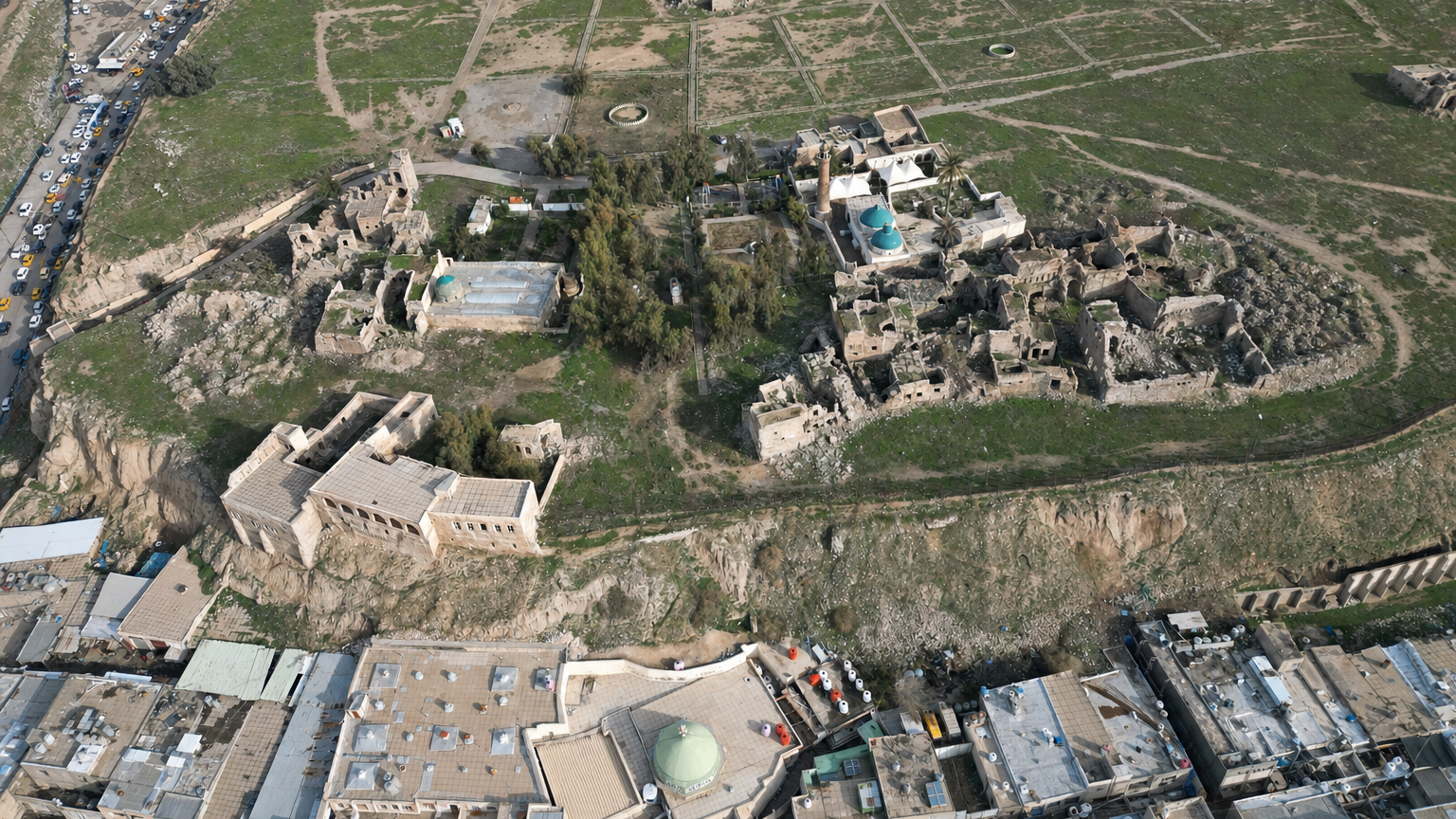

Iraq’s General Authority for Meteorology and Seismic Monitoring registered a 3.5-magnitude earthquake about 25 kilometers north of Kirkuk at 7:30 a.m. local time. Ali Abdul Khaliq, director of the authority’s seismology department, said residents in the province felt the tremor. Abdul Khaliq added that observation teams are continuing to monitor seismic activity in the area to confirm that no aftershocks occur during the coming hours.
The authority has received no reports of human casualties or property damage from the event, according to Abdul Khaliq. He urged the public to ignore false news and rumors while following seismic safety recommendations. Areas across Kirkuk province experience seismic activity of varying intensity from time to time, a pattern that falls under continuous observation by the authority’s specialized stations.
Ali Abdul Khaliq has explained in earlier statements that the activity remains natural and ongoing because Kirkuk sits within the Zagros earthquake belt, where geological folds, faults and structures contribute to such events. He noted that the registration of light to moderate quakes in northern Iraq forms a normal occurrence that should not cause concern. The authority’s data from December 2025 alone counted 38 earthquakes, most of them in northern and northeastern regions, many with magnitudes between 1.1 and 4.5.
Data compiled by the European-Mediterranean Seismological Centre shows that numerous events in the 3.0 to 4.0 range have struck near Kirkuk since 2023. The centre’s records align with the authority’s own findings on focal depths between nine and 39 kilometers for similar quakes. Iraqi specialists draw on this combined information to refine detection methods and public alerts for the region.
The authority operates a network of monitoring stations that supply real-time data to national systems. This setup allowed swift confirmation of Wednesday’s tremor and prompt sharing of details with residents. Such infrastructure has supported responses to earlier clusters, including six tremors that struck Kirkuk in a single day during July 2026, none of which produced casualties or damage.
Similar sequences earlier in 2026 saw more than 20 tremors linked to the same tectonic pressures, according to assessments shared with Shafaq News. Abdul Khaliq has pointed to the movement of the Arabian tectonic plate along Iraq’s northeastern edge as a driver of increased activity in collision zones. The authority continues to track these patterns across Kirkuk and adjacent governorates to maintain preparedness.