
 ع
ع

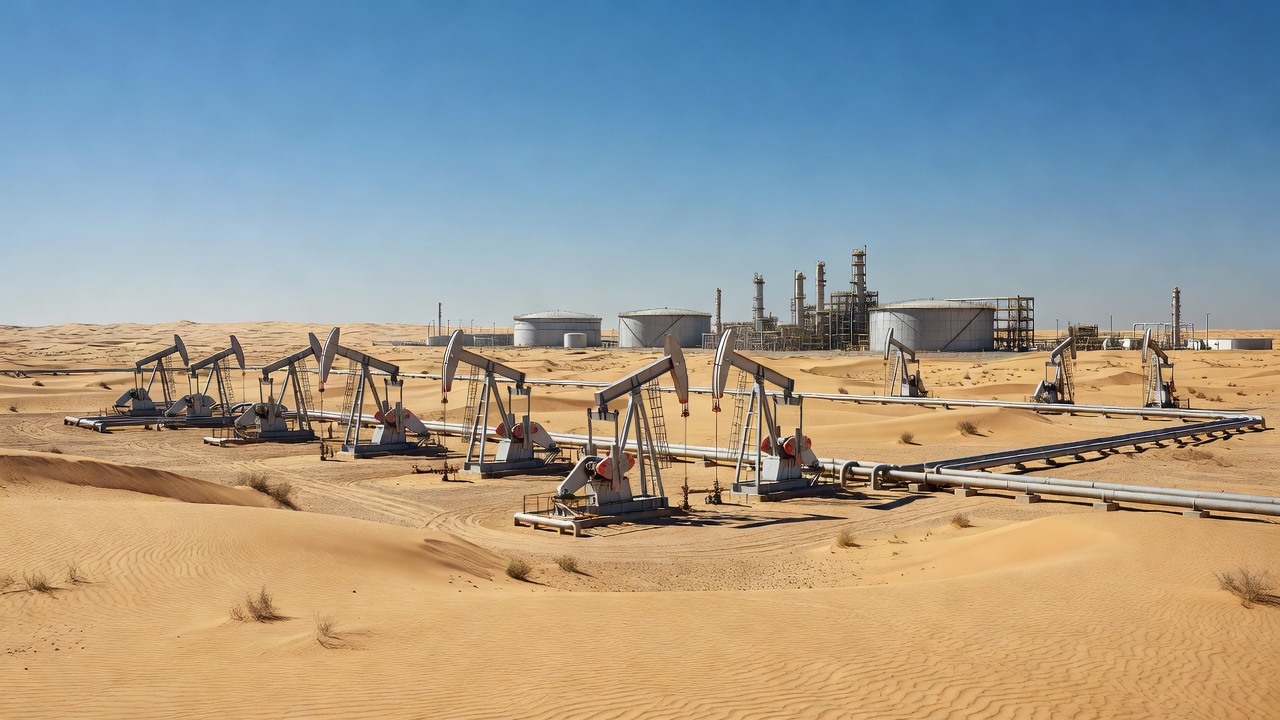

Reuters reported that Saudi Aramco can make 12 million barrels per day available within days, according to comments from its chief executive. Amin Nasser pointed to the company’s field management practices and advanced monitoring systems that track billions of data points daily across operations. The statement underscores Aramco’s ability to respond swiftly to shifts in global demand or unexpected supply interruptions.
The Saudi energy ministry instructed Aramco in early 2024 to maintain a maximum sustainable capacity target of 12 million barrels per day rather than expanding toward 13 million. This adjustment aligned with updated views on long-term oil demand growth. Aramco has since focused on preserving reservoir health while keeping substantial spare volumes in reserve.
International Energy Agency data places Saudi Arabia’s spare crude production capacity at roughly 2.4 million barrels per day in recent assessments, out of a global OPEC+ total exceeding 4 million. The kingdom produced more than 9.7 million barrels per day during that period. Such buffers have allowed Saudi Arabia to act as a key stabilising force in world oil markets.
Nasser previously cited the company’s recovery from the 2019 drone attacks on its processing facilities, when full operations resumed in just 11 days. In a separate interview with Nikkei Asia, he noted that temporary disruptions typically last days rather than weeks because the East-West pipeline network consists of multiple parallel lines. Aramco has also studied adding fourth and fifth export routes plus overseas storage sites to bolster supply security.
The latest remarks come amid continued tensions affecting key shipping passages, including the Strait of Hormuz and Bab al-Mandeb. Nasser has stated that Aramco has continued uninterrupted customer deliveries throughout such periods by rerouting tankers and drawing on built-in redundancies. This approach has helped limit the duration and impact of any physical interruptions.
Earlier projections from Nasser forecast global oil demand rising between 1.1 million and 1.4 million barrels per day annually through 2026. Aramco’s upstream lifting costs average around $2 per barrel of oil equivalent, supporting sustained high-volume output when needed. The combination of low costs and rapid response capability positions the company to address market tightening effectively.
Aramco’s operational model emphasises flexibility across its upstream segment, enabling quick restarts on fields where production has been curtailed. Industry analysts have observed that this responsiveness allows the addition of material supply volumes faster than many new projects can be developed. Such attributes remain central to Aramco’s role in global energy balances.