
 ع
ع


US President Donald Trump asserted Tuesday that Iran had agreed to the highest level of nuclear inspections “long into the future (Infinity!!!),” countering Tehran’s immediate denial as the United Nations moved to evacuate hundreds of ships stranded in the Gulf after last week’s ceasefire ended more than three months of war. The dispute underscored lingering uncertainties in the nascent peace deal, which included a US decision to waive sanctions on Iran for 60 days to permit oil sales and the use of unfrozen assets for humanitarian purchases from American suppliers. Vice President JD Vance, who participated in the talks in Switzerland, described the discussions as laying a solid foundation for a final accord that would allow nuclear inspectors back into the country.
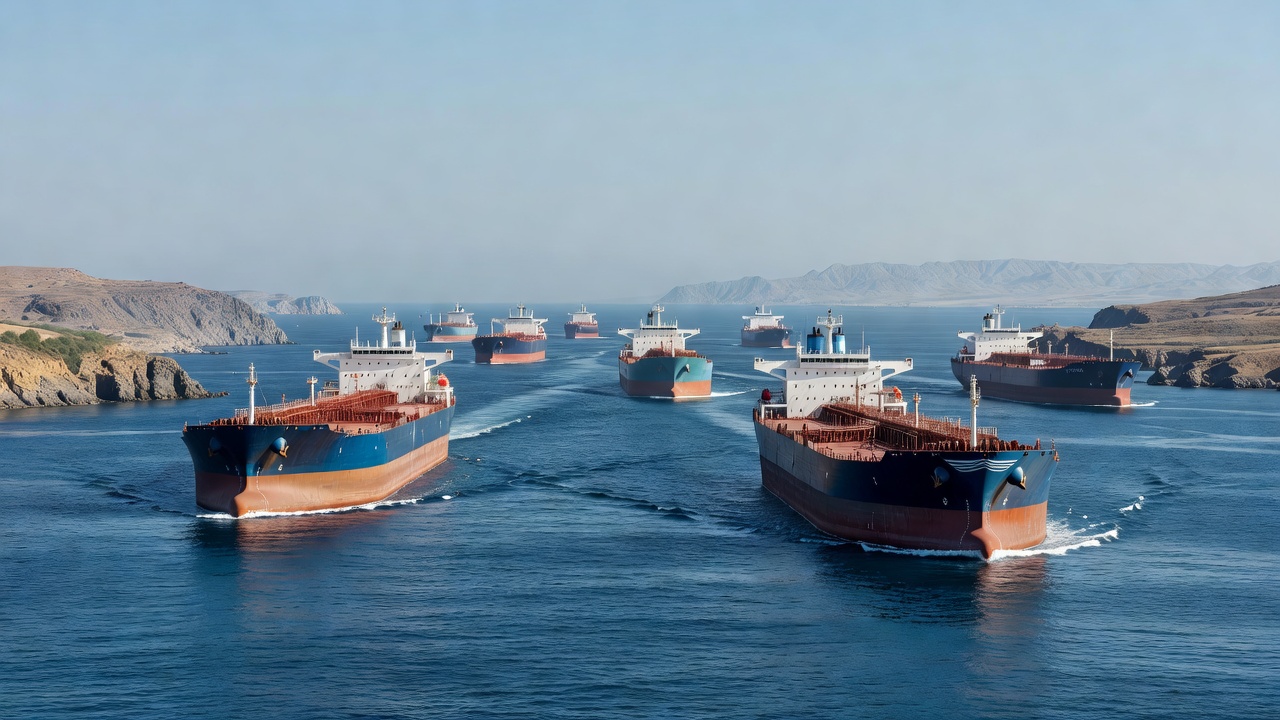
According to the International Maritime Organization, officials have begun contacting vessels to launch the evacuation of approximately 11,000 seafarers trapped aboard ships in the Persian Gulf, with safety guarantees secured for passage through the Strait of Hormuz that Iran had blocked during the conflict. IMO Secretary-General Arsenio Dominguez stated that the large-scale operation would proceed in close cooperation with Iran, Oman and other coastal states as well as the United States and the maritime industry. The agency reported that tanker traffic had already started to pick up on Monday, although an Iranian military source told Fars news agency that only a limited number of vessels would be permitted daily depending on conditions.
Iran’s Foreign Ministry spokesperson Esmail Baghaei told reporters Tuesday that officials had not discussed the nuclear program during the Qatar- and Pakistan-mediated talks in the Swiss resort of Buergenstock and had not met with International Atomic Energy Agency Director General Rafael Grossi. Iran’s ambassador to the UN in Geneva, Ali Bahreini, similarly denied any agreement on inviting inspectors to examine damaged nuclear facilities, while adding that good progress had been made toward establishing working groups on sanctions removal and nuclear activities. Trump responded on Truth Social by dismissing Iran’s statements as “protestations and false statements” and reiterated that any unfrozen assets would be placed in escrow to buy US agricultural and medical products including corn, wheat and soybeans.
The interim accord also encompasses a mechanism to halt fighting between Israel and Iran-backed Hezbollah in Lebanon, including the withdrawal of Israeli troops, with fresh talks between Israeli and Lebanese officials opening in Washington on Tuesday. Bahreini described Lebanon as an “unquestionable” element of the US-Iran understanding reached last week. A Reuters assessment of regional maritime data indicated that the strait, which handles roughly one-fifth of global oil trade, had seen tanker volumes drop by about 70 percent at the height of the closure that began after US and Israeli strikes on Feb. 28, 2026.[[1]](https://www.britannica.com/event/2026-Iran-war)
AP News reported that the conflict, which prompted Iran to limit and then suspend IAEA inspections after initial airstrikes last year, has become a political liability for Trump and congressional Republicans ahead of November midterm elections amid rising gas prices. Public opinion polls cited in multiple outlets reflected voter frustration over the economic fallout. The US Treasury’s 60-day sanctions waiver, effective from Monday until Aug. 21, represents the first concrete economic relief step under the deal, according to statements from Washington.
Maritime tracking compiled by Bloomberg and shared via Al Jazeera showed several Iranian tankers, including National Iranian Tanker Company vessels carrying millions of barrels, had begun exiting the blockade zone in the days leading up to the framework agreement. Earlier IMO and industry figures placed the total number of stranded mariners as high as 20,000 in April before the ceasefire. Oman’s foreign minister affirmed during negotiations that the strait should remain toll-free in line with international law, the Gulf Times report noted in its coverage of de-escalation signals.