
 ع



Iranian Foreign Ministry spokesman Esmaeil Baqaei told a weekly press conference that Tehran was deeply concerned about developments in the Arabian Peninsula following recent deadly strikes. Baqaei added that Iran was prepared to use its good offices to help facilitate dialogue between the parties and did not want hostilities to continue between two Islamic countries. The spokesman urged both sides to resolve the situation through dialogue and engagement rather than further escalation. According to a statement from Tehran, Foreign Minister Abbas Araghchi conveyed a similar message in a telephone call with Saudi counterpart Prince Faisal bin Farhan, warning that a military approach would only complicate matters while offering Iranian support for talks.
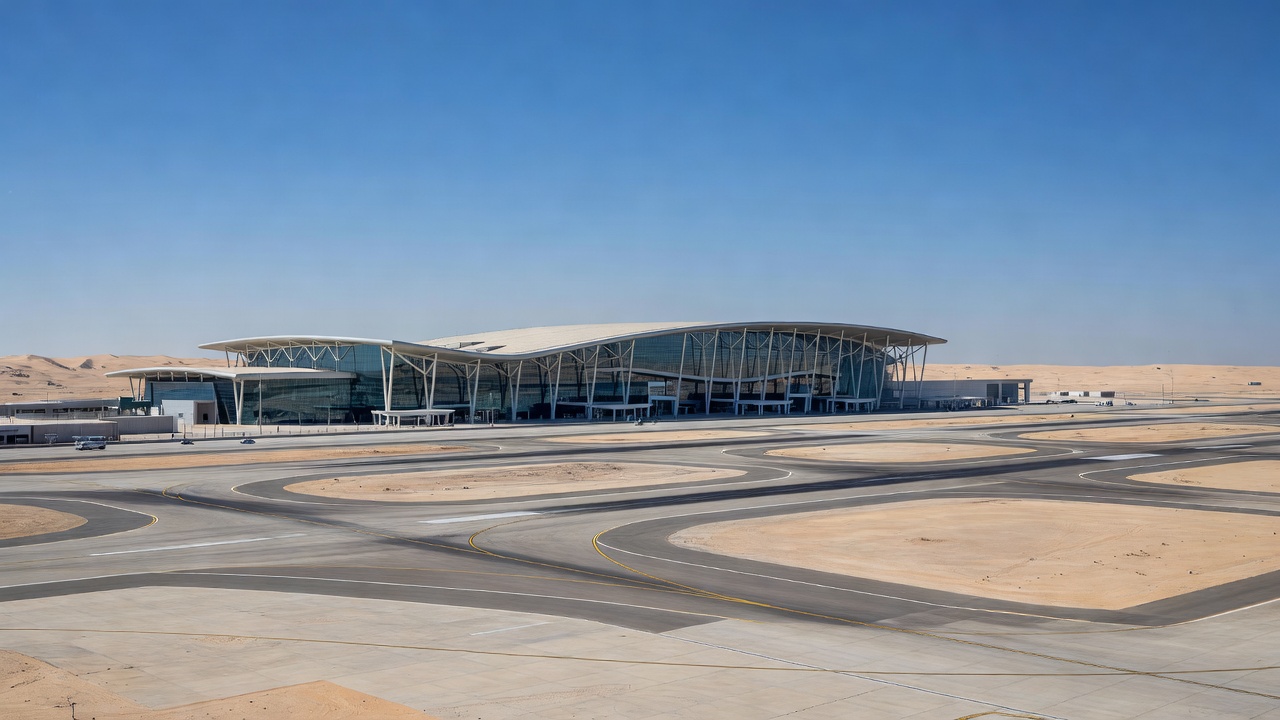
A Houthi strike on Riyadh’s King Khalid International Airport on Sunday killed one person and wounded 11 others, a day after an earlier assault left 13 dead in what Saudi officials described as the deadliest strike on the kingdom’s soil in more than a decade.[[1]](https://www.freemalaysiatoday.com/category/world/2026/10/12/iran-says-deeply-concerned-over-escalation-between-houthis-saudi-arabia) The two-day toll reached 14 fatalities, prompting Saudi authorities to extend the suspension of all operations at the facility. Saudi Energy Minister Prince Abdulaziz bin Salman stated that the recent events required a serious response, as authorities assessed damage to civilian and energy infrastructure targeted in the attacks.
The latest violence fits a pattern of cross-border strikes that have persisted since the Saudi-led coalition intervened in Yemen in 2015 to support the internationally recognised government against the Houthis. A September wave of Houthi attacks on southern Saudi cities including Abha, Khamis Mushait, Jazan and Najran injured dozens and hit energy sites, according to Saudi government tallies. The Iranian-backed militia has claimed responsibility for using ballistic missiles, cruise missiles and drones in response to what it described as more than 120 Saudi airstrikes on Sana’a and other Yemeni provinces within a 24-hour period.
Baqaei noted that Iran views the continuation of tension as benefiting external actors including Israel and the United States while stressing that such conflict is not in the interest of the Islamic world or the region. The Houthis form part of the so-called Axis of Resistance, a network of groups opposed to Israel that includes Lebanon’s Hezbollah, according to assessments by regional governments. Iranian officials have maintained that the Houthis operate independently despite Tehran’s political and material support for the group over the past decade.
Saudi Arabia and the United Arab Emirates have called for enhanced Gulf security cooperation in response to the attacks, with UAE minister Anwar Gargash warning that threats to Saudi territory endanger the entire region. The incidents have also disrupted air travel and raised concerns about potential impacts on energy markets, though specific production figures remained unavailable from Saudi Aramco as of Monday. Iranian statements stopped short of endorsing the Houthi actions while repeating offers to mediate de-escalation between the involved parties.