
 ع


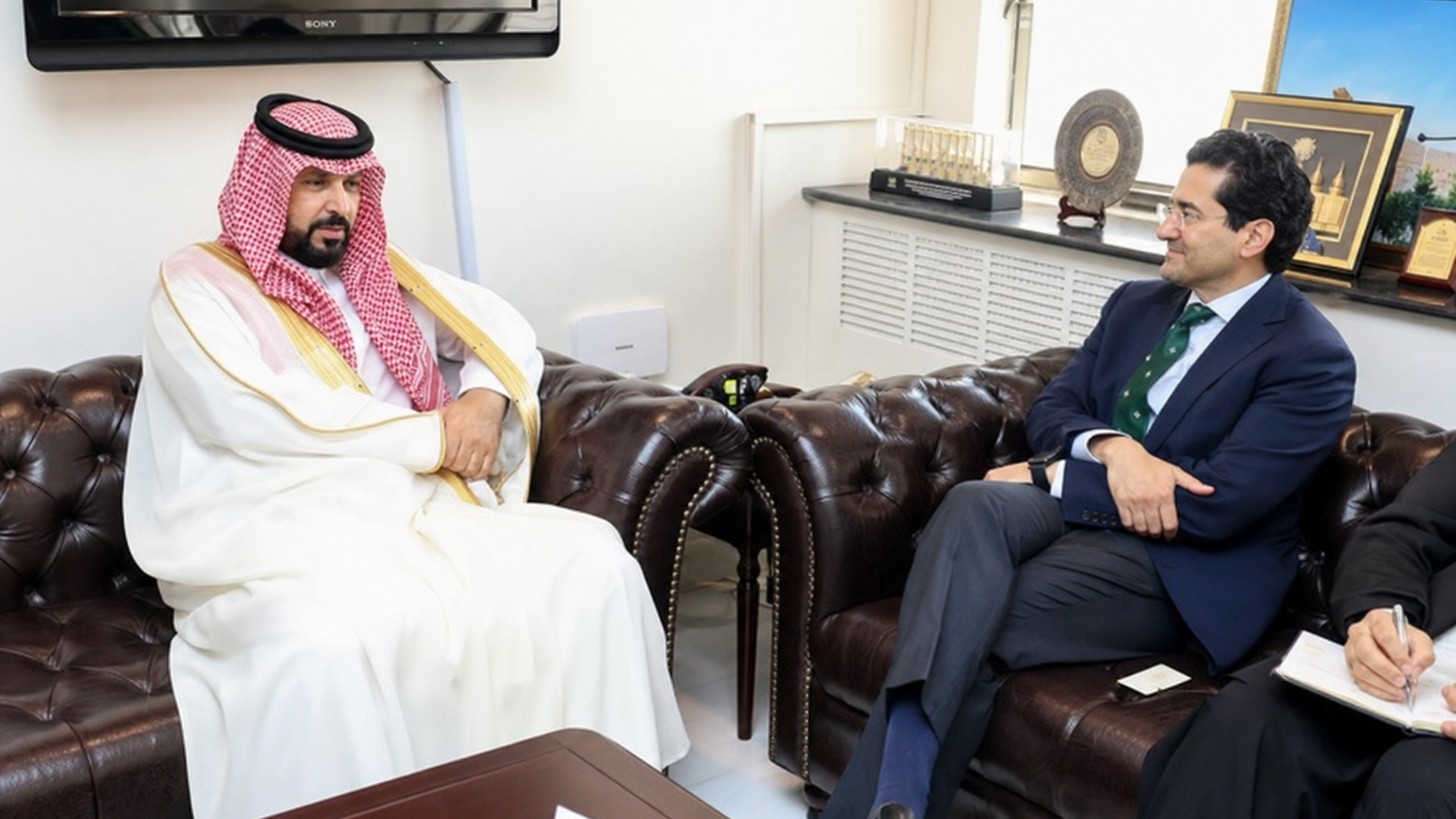

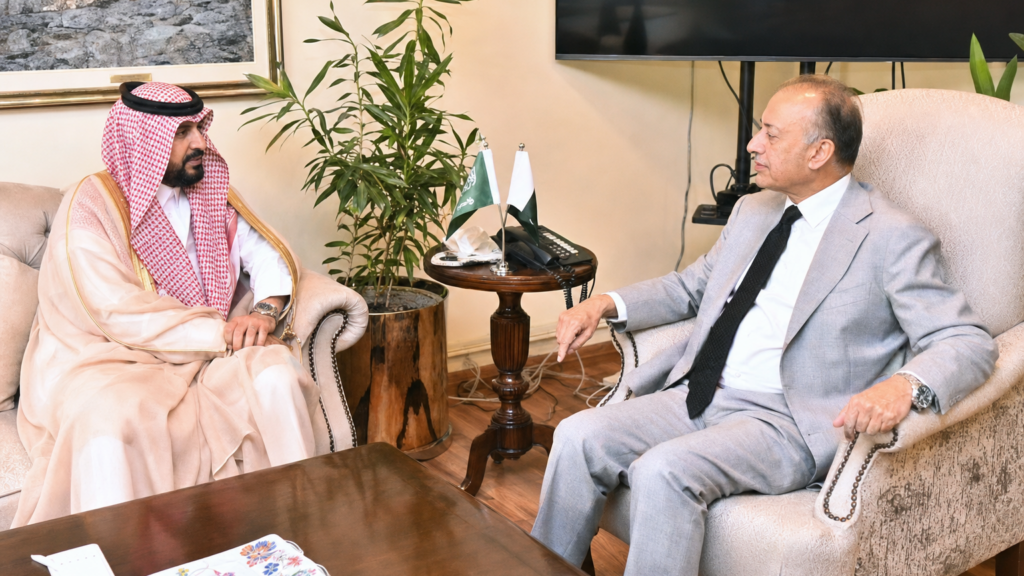
The announcement by Dr Rajeh bin Tami Al-Baqami came during his meeting with Federal Minister for Petroleum Ali Pervaiz Malik in Islamabad. According to Dawn, the new facility is designed to make travel easier and to bolster business, cultural and interpersonal links between the Kingdom and Pakistan. Al-Baqami highlighted the move as part of efforts to enhance bilateral relations that have long been rooted in mutual trust and strategic partnership.
Malik expressed appreciation for the Saudi gesture while reaffirming Pakistan’s dedication to the historic relationship during the October 30 meeting. The minister referenced his recent trip to Riyadh where he conveyed sentiments of solidarity to Saudi Energy Minister Prince Abdulaziz bin Salman Al Saud. Both officials explored avenues for increased investment and joint projects in petroleum, minerals and energy production.
Travel between the two countries has seen significant growth in recent years. Arab News reported in July 2026 that nearly 2.9 million Pakistanis visited Saudi Arabia in 2025, marking an increase from 2.7 million the year before. This rise aligns with Saudi Arabia’s efforts to diversify its economy through tourism.
In a related development earlier this year, the Saudi Tourism Authority introduced a Package Visa system that bundles electronic tourist visas with flight, hotel and activity bookings through authorised platforms. The programme, which includes Pakistan among initial participating countries, allows applicants to secure all necessary arrangements in a single transaction after verification. Saudi authorities have advised travellers to consult approved providers for the latest requirements and package details.
The latest visa facilitation follows a September 2026 agreement signed in New York that eliminated visa requirements for diplomatic, official and special passport holders from both nations. Deputy Prime Minister Ishaq Dar and Saudi Foreign Minister Prince Faisal bin Farhan inked the deal on the sidelines of the United Nations General Assembly. Pakistani officials described the accord as a step toward smoother high-level exchanges and institutional collaboration.
The discussions further addressed Pakistan’s recently approved tax-neutral bonded policy for energy hubs, Malik explained to the ambassador. This policy, modelled after successful international examples, would permit Saudi companies to establish commercial oil reserves in Pakistan without facing local tax obligations. Officials noted that the arrangement could help Saudi Arabia manage risks around key maritime passages while improving supply routes to Asian markets.