

 ع
ع

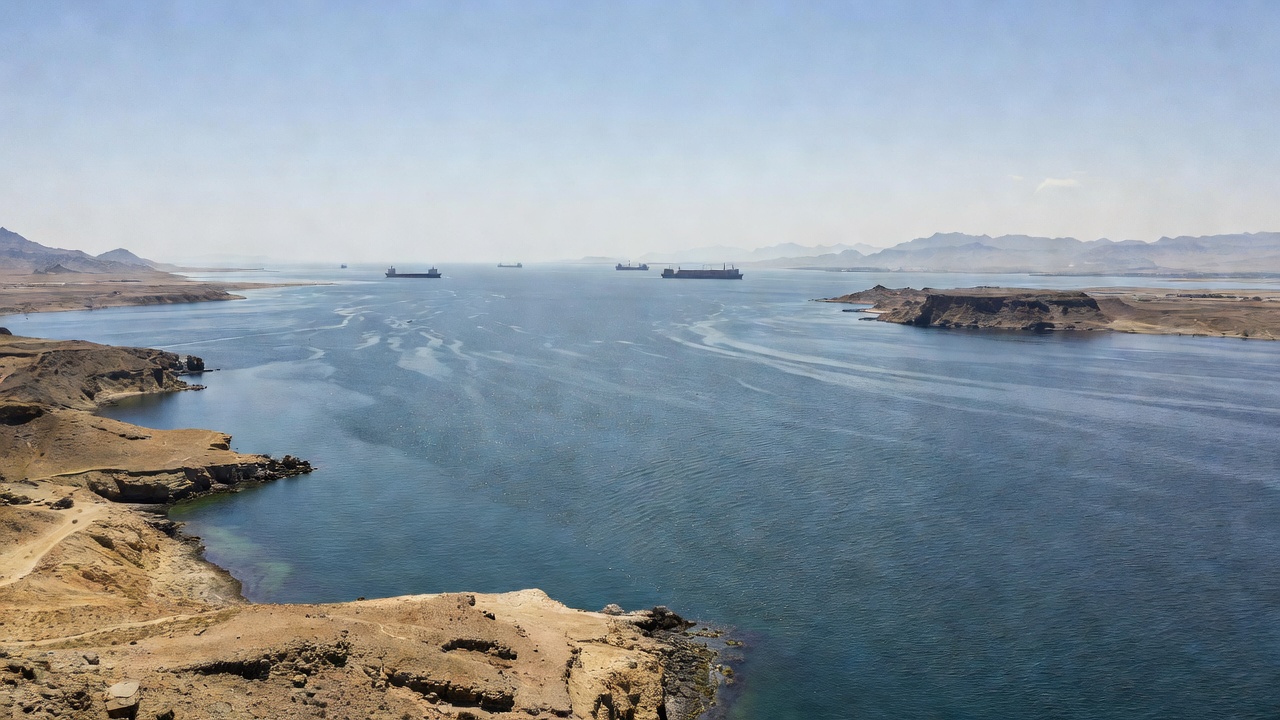

Reuters reported that a senior Iranian source stated an agreement with Oman over the Strait of Hormuz had not been finalised, with negotiations still addressing specific details of any accord. The clarification followed comments from Iran’s Islamic Revolutionary Guard Corps that the two nations had settled on territorial shares and revenue splits after roughly one month of discussions. Hossein Mohebbi, the Guards’ spokesman, told Iranian state media that the waterway belongs jointly to Iran and Oman and that the talks had produced results acceptable to both parties.
Iranian state media quoted Mohebbi as saying the negotiations covered each country’s portion of the strait and its revenues, though the precise stage of implementation remained unclear. The senior source told Reuters that further work was required before any deal could be considered complete. Omani Foreign Minister Badr al-Busaidi, speaking after meetings in Tehran earlier in the week, voiced hope for a temporary maritime corridor paired with a joint mine-clearing project in the waterway.
According to Reuters, the Omani minister indicated that such measures could facilitate safer navigation once technical aspects are resolved between the two neighbours. Iran’s Foreign Minister Abbas Araqchi outlined conditions in a letter to the United Nations that must be met before the strait reopens to full commercial traffic. The minister stressed that US actions, including reimposed sanctions and alleged interference, continue to obstruct progress toward normalisation.
A US official had told Reuters earlier in August that an Iran-Oman understanding appeared close and could lead to reopening the waterway, which a prior memorandum of understanding had aimed to restore after Iran restricted access in response to US and Israeli strikes. That interim deal, signed in June, collapsed within weeks, prompting renewed restrictions on tanker movements through the chokepoint. Iranian officials have maintained that direct talks with Washington are not occurring, relying instead on intermediaries for messages.
US Energy Information Administration data has long shown that the Strait of Hormuz carried approximately one-fifth of global oil and liquefied natural gas shipments before the recent disruptions, underscoring its centrality to energy markets. The blockage has contributed to volatility in oil prices and rerouting of cargoes around Africa at higher costs for shippers. Industry assessments indicate that sustained closure would compound supply-chain pressures across Asia and Europe, where much of the crude originates from Gulf producers.
Iran has repeatedly conditioned full reopening on Washington lifting naval blockades on its ports, addressing sanctions targeting its oil sector and resuming discussions over frozen assets. A Reuters analysis of the diplomatic track noted that messages continue to be exchanged indirectly even as both Tehran and Muscat assert sovereignty over their respective territorial waters in the strait. The joint working group established between the two foreign ministries has persisted beyond the original 60-day window of the collapsed memorandum, producing broad agreement on shipping route coordinates.
Iranian Ministry of Foreign Affairs spokesmen have described the Oman channel as the primary diplomatic avenue, rejecting external interference in the process. Progress on a framework for safe passage and a coordination centre has been acknowledged by both sides, yet Iranian statements continue to tie any operational restart to fulfilment of the broader conditions conveyed to the United Nations.