
 ع
ع

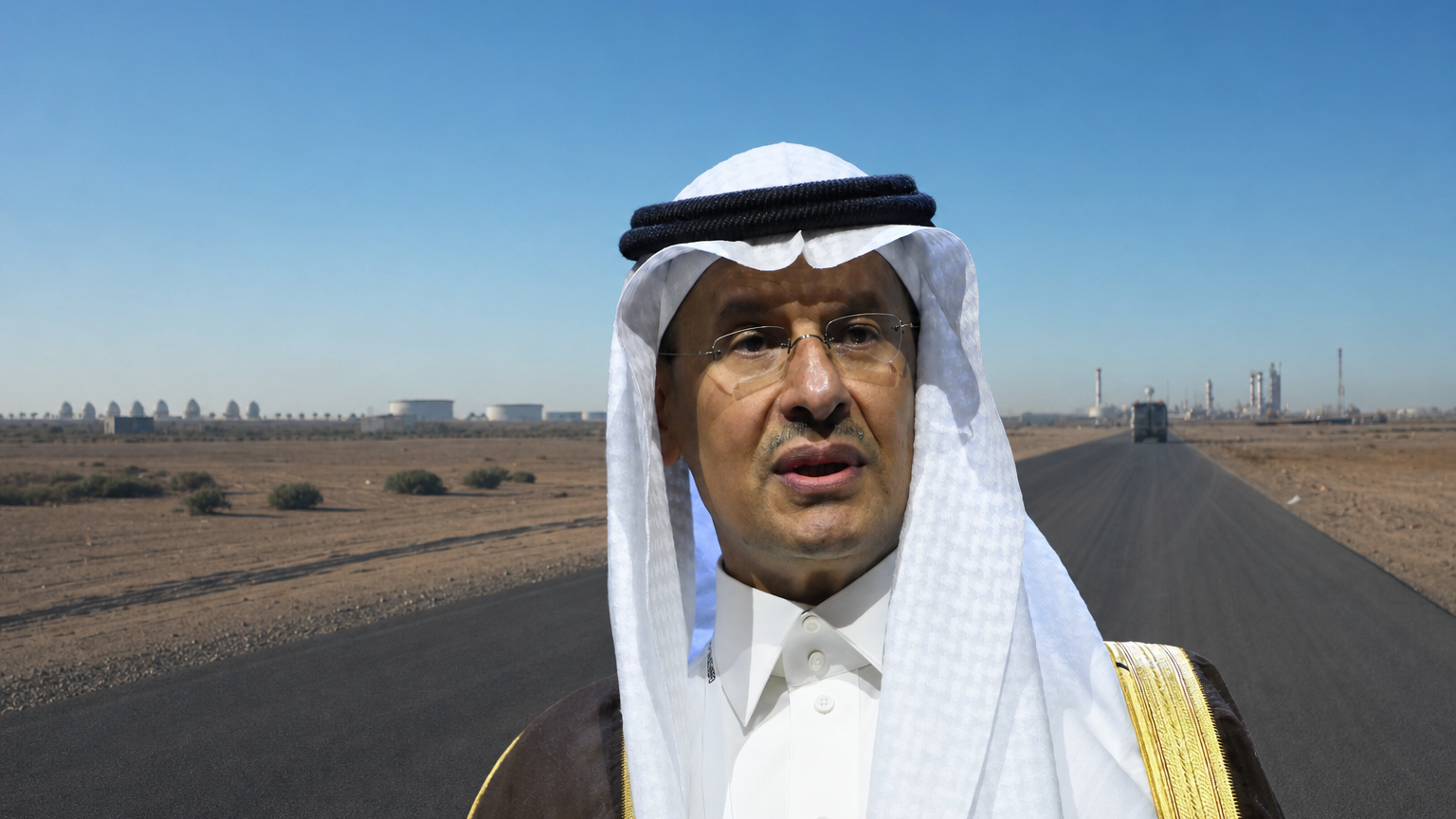

Prince Abdulaziz bin Salman provided the throughput update while addressing the Made in GCC 2026 Forum and Exhibition in Bahrain’s capital Manama according to multiple wire service reports. The minister’s statement comes one day after a source told Reuters that flows through the Saudi Arabia East-West Pipeline had not faced interruption despite media speculation tied to regional hostilities involving Yemen’s Houthis. The pipeline serves as a critical link moving crude from eastern production areas across the peninsula to export terminals on the Red Sea coast.
Saudi Arabia restarted operations at the East-West Pipeline after a September 11 shutdown prompted by drone attacks that the kingdom attributed to Iraqi militias three sources briefed on the matter told Reuters. That closure had also halted crude loadings at the Yanbu hub. In the wake of the US-Israeli war on Iran that has curtailed tanker traffic through the Strait of Hormuz Riyadh has redirected significant volumes via the overland route to sustain export levels.
The minister indicated that the pipeline had moved 5.8 million barrels as of Tuesday morning a figure that exceeds the roughly 4 million barrels per day the kingdom had been routing to Yanbu equivalent to about 4 percent of global supply according to a Reuters assessment. Industry reports from early October placed flows above 80 percent of the system’s 7 million barrel per day capacity following the 2026 conversion of a second line from natural gas liquids to crude service. This ramp-up has left approximately 4.5 million barrels per day available for export from the west coast after meeting local refinery needs.
The East-West Pipeline originally constructed during the 1980s Iran-Iraq War to bypass potential disruptions in the Strait of Hormuz has repeatedly demonstrated its strategic value during periods of geopolitical strain. Saudi Aramco operates the 1 200 kilometre dual-pipeline system that connects Abqaiq area fields in the east to Yanbu refineries and loading facilities. Recent repairs and operational adjustments have allowed the infrastructure to recover swiftly from the September attack and exceed earlier throughput projections.
Saudi crude exports climbed to 6 million barrels per day in September representing an 80 percent increase from August and the highest monthly total since the current conflict began shipping trackers reported. The pipeline’s role has grown as producers seek to maintain commitments to international buyers while minimising exposure to maritime chokepoints. Officials continue to monitor regional developments that could influence future routing decisions and overall export volumes.