
 ع
ع


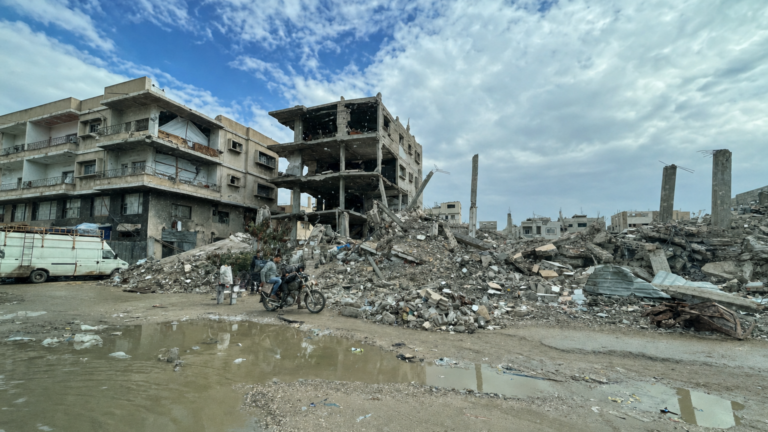
The Lebanese health ministry reported that strikes on Kfar Roummane also injured eight others, among them three children, as part of a three-day wave of attacks that left 27 people dead and 69 wounded across southern Lebanon. The Israeli military stated that it targeted infrastructure belonging to Hezbollah, including a weapons storage facility, in retaliation for drone assaults by the Iran-backed group. Officials in Beirut described the latest actions as among the most intense since a U.S.-brokered ceasefire took effect several months earlier.
Strikes a day earlier killed seven people, including two women, in the same region, the health ministry said, adding to concerns that the fragile truce may be unraveling. Israeli Defence Minister Israel Katz had declared on the preceding Friday that troops had seized a strategic ridge, completing what he termed the consolidation of a security zone along the border. These moves have prompted fears in Lebanon that Israeli forces could expand their footprint deeper into the country’s territory.
A ceasefire agreement mediated by the United States in June 2026 had sought to end active hostilities, yet both sides have reported repeated violations in the months since, according to statements from Lebanese and Israeli officials. Hezbollah has rejected key provisions of the deal that permit an ongoing Israeli presence in southern areas until the group is disarmed, a stance that has complicated enforcement efforts by the Lebanese government. The health ministry has placed the overall death toll from the conflict at more than 4,000 since escalation began, with figures that include both combatants and civilians.
Lebanese authorities have also recorded more than 11,600 injuries and noted that over 1.2 million people were displaced at the peak of fighting, according to ministry data that highlights the civilian toll in border communities. The Israeli side has reported its own military casualties during ground operations aimed at neutralizing perceived threats from Hezbollah positions. Regional diplomatic initiatives have continued in parallel, though they have so far failed to curb the cycle of strikes and counterstrikes.
Katz said in a video statement that control of the ridge represented a significant step in securing Israeli borders against militant activity. The Israeli military has consistently described its operations as defensive, targeting only infrastructure used to launch attacks. Hezbollah, for its part, has vowed to resist what it calls occupation of Lebanese land, maintaining its independent command structure outside the national government.
Rescue teams worked through the debris in affected villages following the latest bombardments, while local officials assessed damage to homes and infrastructure in Kfar Roummane and nearby sites. The incidents have drawn renewed attention from international observers concerned about the potential for wider instability in the wake of the June truce. Both governments have traded accusations over responsibility for breaching the agreement, with no immediate resolution in sight.