
 ع
ع

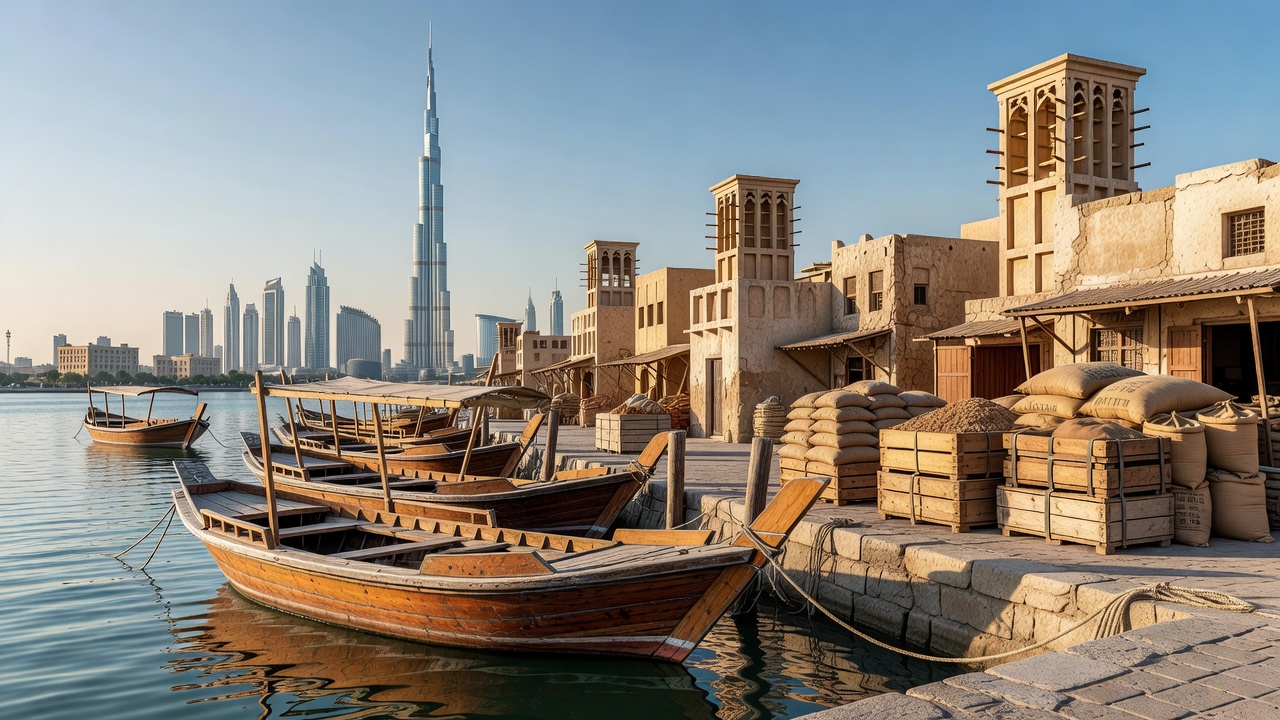

AFP correspondents reporting from Dubai found that merchants in the emirate’s old districts do not anticipate a full rupture in commercial relations with Iran that stretch back decades even after the UAE suspended transactions in response to missile incidents. Since the war began certain Iranian products have become scarcer in local markets while others have seen prices increase sharply. Morteza Asaadi who operates the grocery store founded by his father in 1963 described the shifts in availability to the news agency.
The United Arab Emirates served as Iran’s primary conduit for imports in 2024 accounting for more than 30 percent of such goods valued at $21 billion according to World Trade Organization statistics. It ranked as Iran’s third-largest export destination absorbing nearly 12 percent worth more than $7 billion in the same year. Trade between the two sides approached $30 billion annually before the conflict a figure that encompasses re-exports through Jebel Ali port and traditional dhow shipments.
Dubai has hosted a community of several hundred thousand Iranians who have contributed to the emirate’s commercial growth while navigating periods of political friction with Tehran Mehran Haghirian of the London-based Bourse and Bazaar Foundation think tank told AFP. After the United States tightened sanctions in 2012 those in Dubai managed to convince their partners in Abu Dhabi that the trade regardless of the sanctions needed to continue because it was contributing to the UAE economy. The arrangement positioned Dubai as a financial and logistical hub that Washington has accused of aiding sanctions evasion.
Esfandyar Batmanghelidj chief executive of the Bourse and Bazaar Foundation described the UAE’s unique role in remarks to the Financial Times noting that the type of trade that comes through the UAE really matters. He added that the UAE is the only avenue for Iranian imports as Iran has access to no other major container port other than Jebel Ali in Dubai. If you are trying to keep an economy of 90mn growing you really need that infrastructure Batmanghelidj said.
Justin Alexander director of consultancy Khalij Economics and a non-resident fellow at the Baker Institute for Public Policy told the Financial Times that Iranian traders have been a foundational component of Dubai’s economy since long before the oil era. The ties predate the founding of the United Arab Emirates in 1971 and encompass banks trading houses and gold markets in the historic districts. A fisherman identified as Amal told the Financial Times that before the war many Iranian cargo ships came here but now it is finished.
The New York Times reported that analysts such as Andrew Leber of the Carnegie Endowment for International Peace have called the Emirates the lung of Iran for its role in providing access to the global economy through re-exports of electronics precious metals and consumer goods. Robert Mogielnicki a Gulf economy expert at the Arab Gulf States Institute told the newspaper that this move is unlikely to be the geoeconomic straw that breaks the camel’s back when it comes to the Iranian economy. He noted that Iran has built its economy to resist external shocks and prioritise self sufficiency.
Bloomberg reporting from August 2026 indicated that the UAE’s decision to cut ties followed accusations of Iranian ballistic missile launches toward its territory although flights between the countries continued shortly afterward. Earlier Reuters dispatches from June outlined how the UAE had moved to release billions in frozen funds to Iran as part of de-escalation efforts with initial tranches already disbursed according to multiple sources familiar with the arrangement. These financial flows occurred against a backdrop of substantial Iranian-linked deposits in Dubai banks many of which remain immobilised by US sanctions.