 ع
ع


The Gulf Health Council announced the launch of its “Today Before Tomorrow” awareness campaign on nontraditional tobacco and nicotine products, with activities scheduled from October 4 to October 31, 2026. According to a Qatar News Agency dispatch, the initiative seeks to empower young people across the six GCC states to reject these items before they develop into entrenched habits that carry health, psychological and social consequences. The council framed the slogan as a call to action, with “today” symbolizing informed choice and self-control while “tomorrow” warns of delayed consequences that become harder to reverse.
Primary outreach focuses on adolescents and young adults between 15 and 24 years old, the Gulf Health Council stated, while secondary audiences include parents, youth-oriented content creators, schools, universities and both health and youth affairs institutions. The campaign accounts for adolescents’ natural push for independence along with heavy peer and online influences that often glamorize such products. Materials aim to deliver practical skills that allow young users to navigate those pressures while making decisions grounded in accurate information.
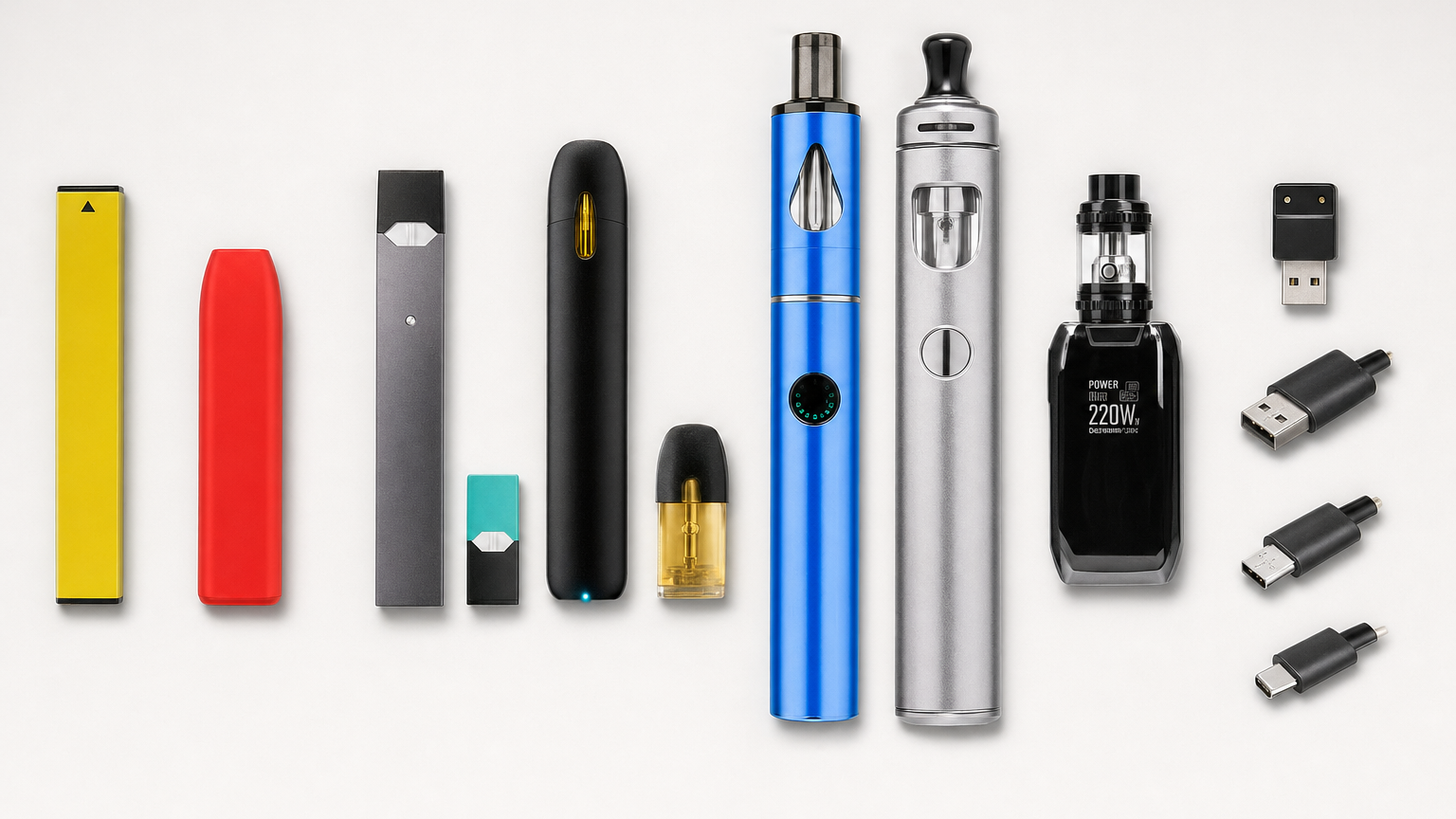
Campaign messaging zeroes in on the specific hazards of electronic cigarettes, nicotine pouches and heated tobacco devices, the council’s announcement detailed. It directly counters marketing claims that smoke-free or tobacco-leaf-free alternatives are harmless, stressing instead that nicotine remains highly addictive regardless of delivery method. Exposure during brain development can impair functions related to attention span, learning capacity and impulse regulation, according to the materials developed for the drive.
Global tobacco-related mortality exceeds seven million people each year while roughly 37 million children aged 13 to 15 currently use some form of tobacco, World Health Organization figures from a 2024 report show. A separate 2024 study across five Gulf states found that more than half of adolescents attempting to purchase cigarettes faced no refusal at the point of sale, the council noted in its release. In addition, youth who begin with e-cigarettes face approximately three times the risk of progressing to conventional smoking compared with non-users.
An interactive behavioral assessment forms a central element of the campaign, the Gulf Health Council explained, offering two separate tracks of ten questions each. One pathway evaluates knowledge, attitudes and habits among young participants while the second gauges the preparedness of parents, educators and specialists to discuss these topics effectively. Upon completion, respondents receive personalized recommendations that translate assessment results into concrete steps for reinforcing healthy choices or improving supportive communication.
The effort aligns with broader regional and international tobacco control priorities that have gained momentum following the World Health Organization’s designation of its 2026 World No Tobacco Day theme around unmasking industry tactics aimed at younger users. Public Authority for Health data across the GCC has consistently shown elevated experimentation rates with novel nicotine products among secondary-school students, prompting coordinated action by the council that serves all member states. Educational toolkits, short videos and printable guides will be distributed through partner channels to maximize reach during the four-week period.