
 ع
ع

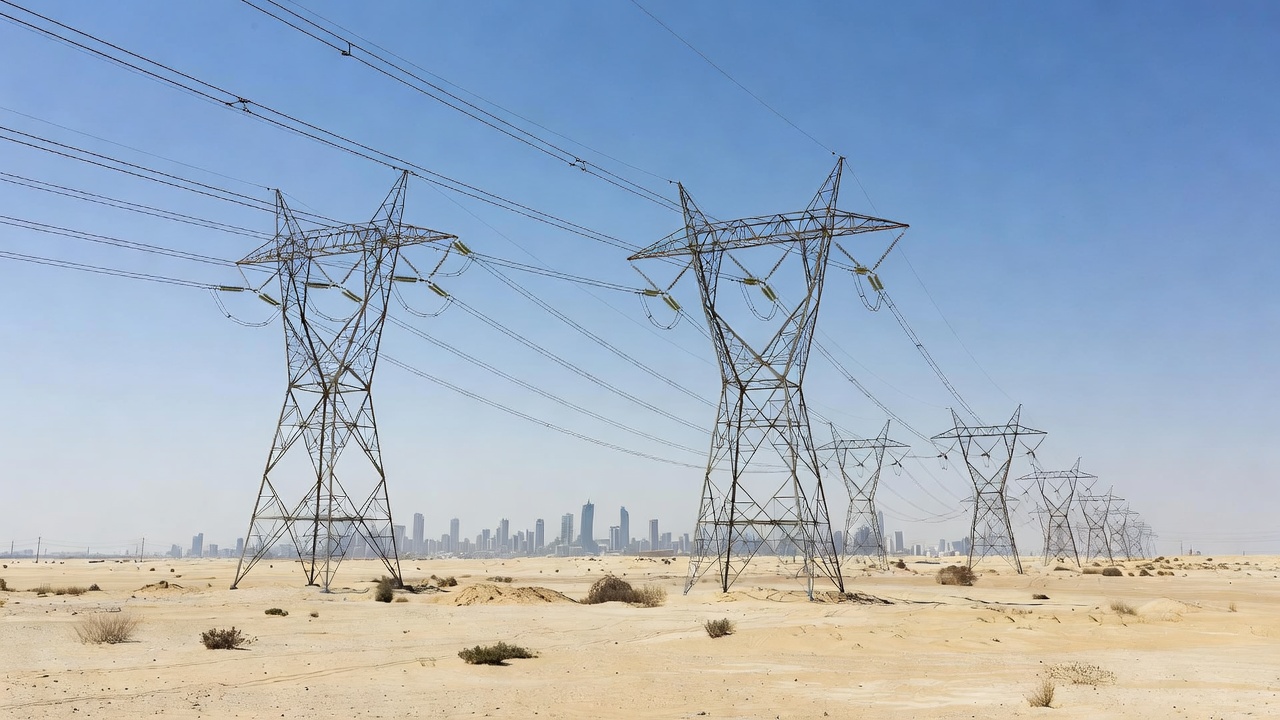

The ministry announced via a post on X that feeding works on the overhead power lines had been successfully completed, allowing electricity supply to resume nationwide. “The feeding works of the overhead power lines have been successfully completed and electricity supply has resumed nationwide,” the ministry said in the update. Technical teams addressed the failure that had disrupted service in several areas across the country, with the restoration completed within hours of the initial report.
This incident reflects recurring strains on Kuwait’s power infrastructure during periods of high demand. A Reuters dispatch from April 2025 described how the country implemented temporary cuts in industrial and agricultural zones when consumption surged beyond available capacity amid hot weather and plant maintenance. The Middle East Economic Survey has documented the sector’s vulnerability, with peak loads reaching 16.58 gigawatts in May of the previous year and outpacing domestic generation even after maximum imports via the GCC interconnection.
Kuwait remains entirely dependent on fossil fuels for power production, a reliance that the International Energy Agency projects will face tripling demand by 2030. The ministry has pursued periodic maintenance and load management strategies in response to these pressures, yet disruptions have persisted through both scheduled and unscheduled events. Urban growth and rising temperatures have compounded the challenge, prompting calls for accelerated diversification into renewables.
Restoration efforts on July 8 followed the ministry’s earlier notice of the offline lines, with crews focusing on overhead repairs while coordinating for safety. The outage primarily hit residential zones, according to the announcement, without reported impacts on critical infrastructure or casualties. Updates were disseminated promptly to inform affected residents and maintain transparency during the repair process.
Similar events earlier in 2026, including a March incident in which seven overhead lines were damaged by falling debris from air defense operations, underscored ongoing grid resilience issues. In that case, as in the latest restoration, the ministry emphasized rapid technical intervention once sites were secured. KUNA carried the official statements on both occasions, helping to coordinate public information with the ministry’s direct communications.
Broader reforms have included maintenance scheduling and conservation appeals to ease peak-hour loads, though full modernization of the network continues. The ministry’s proactive announcements have become standard during such events to reassure the public that repairs are underway. With summer conditions amplifying consumption, authorities continue monitoring transmission systems to prevent future widespread interruptions.