
 ع
ع

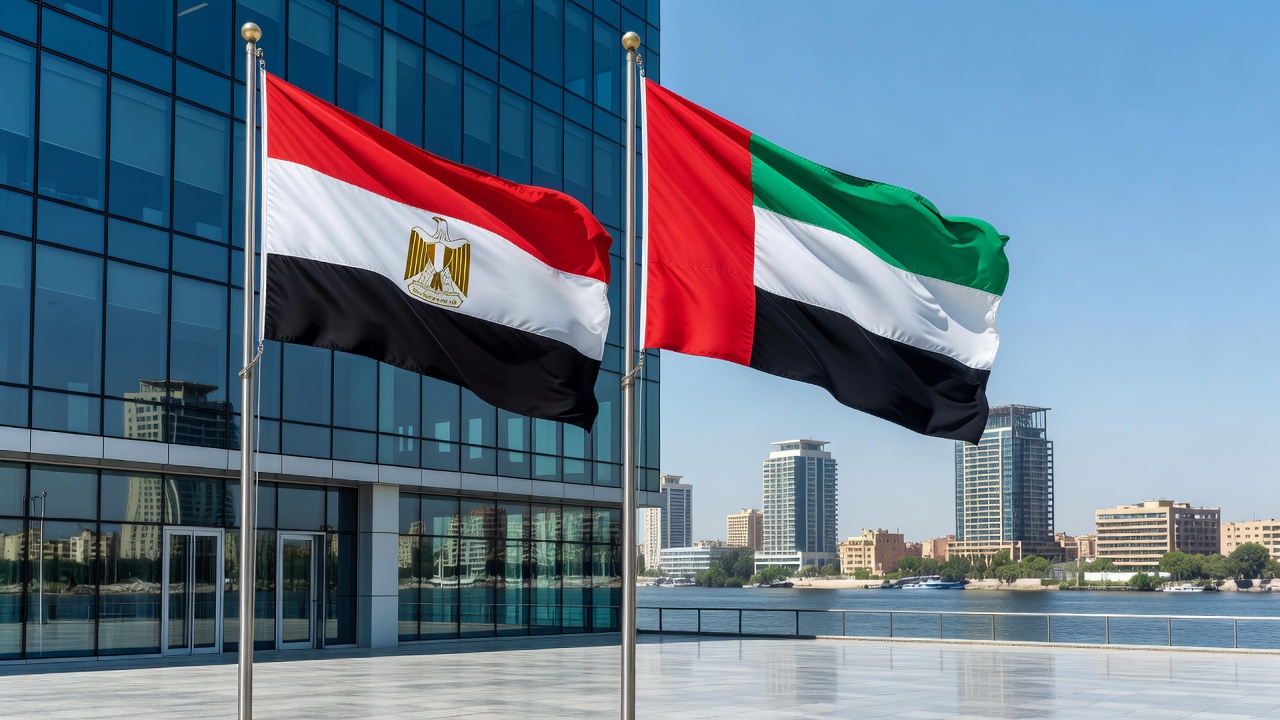

Mohamed Awad, chief executive of the General Authority for Investment and Free Zones, met with Abdullah Al Suwaidi, secretary-general of the UAE Investors Council Abroad, according to a report by Daily News Egypt. The discussion reviewed recent developments in Egypt’s investment environment along with state incentives designed to attract expanded participation by UAE firms. Manal Abdel Tawab, head of the Egyptian Commercial Representation Office in the UAE, also attended the session, which aligned with instructions from Mohamed Farid, minister of investment and foreign trade, to deepen direct engagement with investors and streamline their operational experience.
Awad told participants that the authority remains committed to forging a lasting institutional relationship with the UAE Investors Council Abroad that both safeguards current projects and promotes fresh capital inflows. The two sides are advancing plans for a dedicated task force that would track investment performance, share data on emerging opportunities and expedite solutions to difficulties encountered by UAE businesses. Al Suwaidi, for his part, highlighted the value of closer operational coordination with GAFI to unlock additional growth avenues for Emirati investors already active in Egypt.
Ministry of Investment data places accumulated UAE capital in Egypt at $22 billion as of June 2026, equivalent to more than one-quarter of all foreign direct investment stock in the country. Fresh UAE inflows reached $71.43 million during the first half of 2026, accounting for nearly 23 percent of total new foreign capital that period, the ministry figures show. These flows add to a series of landmark commitments, including the $35 billion Ras El Hekma project led by Abu Dhabi’s ADQ sovereign wealth fund that was signed in 2024.
Bilateral trade between Egypt and the UAE climbed to $9.68 billion in 2025, with Egyptian exports to the Gulf state rising more than fourfold since 2021, according to trade ministry statistics. The latest meeting forms part of sustained high-level contacts that have intensified since the signing of comprehensive economic partnership agreements and joint industrial initiatives between the two governments. Egyptian officials have identified five priority sectors for expanded UAE cooperation: manufacturing, agriculture and food processing, tourism, information technology and energy security.
A separate round of talks led by Egypt’s minister of planning and economic development focused on logistics upgrades inside the Suez Canal Economic Zone and the integration of digital payment platforms, recent government statements confirm. DP World, the Dubai-based ports operator, has been invited to broaden its footprint in container handling and cargo services under the latest cooperation framework. Such initiatives complement the task force’s mandate by addressing infrastructure bottlenecks that have occasionally slowed project implementation for UAE investors.
The General Authority for Investment and Free Zones continues to position Egypt as a regional hub capable of absorbing larger capital commitments from Gulf partners amid broader economic reform measures. Farid’s office has maintained that sustained dialogue mechanisms, including the proposed task force, will help translate pledged investments into operational assets while mitigating regulatory or administrative obstacles. Al Suwaidi’s council has signaled readiness to facilitate additional UAE delegations to explore opportunities generated by these ongoing policy adjustments.