
 ع
ع


UAE Cabinet Approves Strategy to Rank Among Top 10 Space Economies by 2031
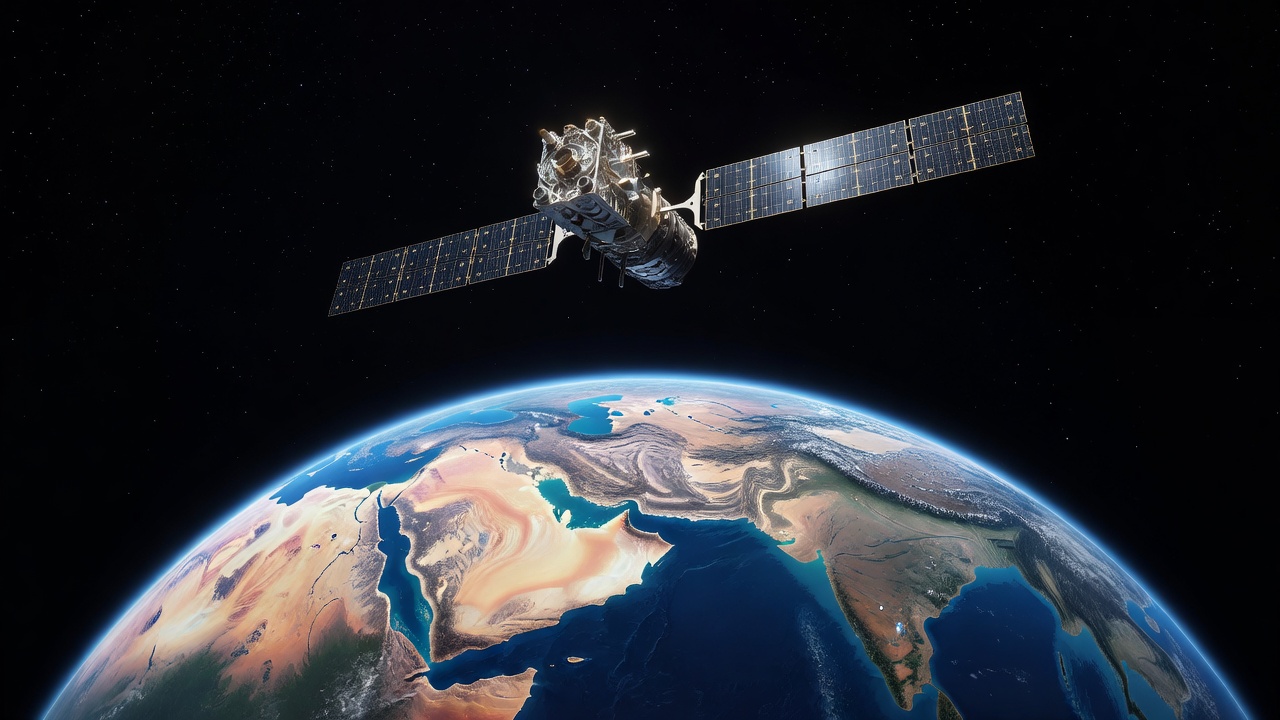
The UAE Cabinet approved the National Space Strategy 2031 during a March 29, 2026 meeting chaired by Sheikh Mohammed bin Rashid Al Maktoum. The approval aims to make the UAE a global leader in space by doubling the sector’s revenues, companies, exports and infrastructure to rank in the world’s top 10 economies by 2031, in line with national visions for economic growth and innovation.
The cabinet’s announcement detailed three core objectives for the strategy, which include enhancing investment attractiveness, securing global leadership in partnerships and market access, and developing competitive space infrastructure. Key performance targets encompass doubling space economy revenues, increasing the sector’s economic value added, doubling the number of national space companies and doubling both export markets and infrastructure investments. The plan also calls for doubling the number of UAE-based space startups by the end of the decade.
Emirates News Agency reported that the UAE space sector is currently valued at more than AED 44 billion and comprises over 170 entities. The country has developed and launched 30 satellites to date and maintains active programmes including an astronaut corps, a Mars mission and upcoming expeditions to Venus and the asteroid belt. These accomplishments form the foundation for the new strategy’s growth ambitions.
The strategy further seeks to establish a flexible investment environment that attracts both local and international capital while enabling high-impact partnerships that expand access to global markets. Strengthening national space companies remains a central pillar, according to the cabinet decision. This approach supports broader goals of economic diversification away from traditional sectors.
A Euroconsult assessment found the Middle East space industry tripled from about $8 billion to $25 billion over the past 10 years and could triple again to $75 billion by 2032 with annual investments rising to $2.7 billion. The UAE’s efforts contribute significantly to this projected expansion through its focus on innovation and commercial opportunities. Government backing for domestic satellite programs and research continues to drive the market forward, the analysis indicated.
Globally, the space economy stands to grow from USD 462.4 billion in 2026 to USD 631.9 billion in 2031 at a 7 percent compound annual growth rate, according to Global Market Insights. The UAE strategy positions the nation to increase its share of this expanding market by prioritizing areas such as satellite communications, Earth observation and scientific exploration. The UAE Space Agency has played a pivotal role in these developments, recently leading sector participation in the Make it in the Emirates 2026 event to foster industry integration.
Implementation of the National Space Strategy 2031 will involve coordination across government bodies, private enterprises and international partners to meet the outlined targets. The cabinet emphasized the need for a reliable regulatory framework that supports sustainable growth in the sector. Annual reporting on progress is expected to track advancements toward the 2031 goals.