

 ع


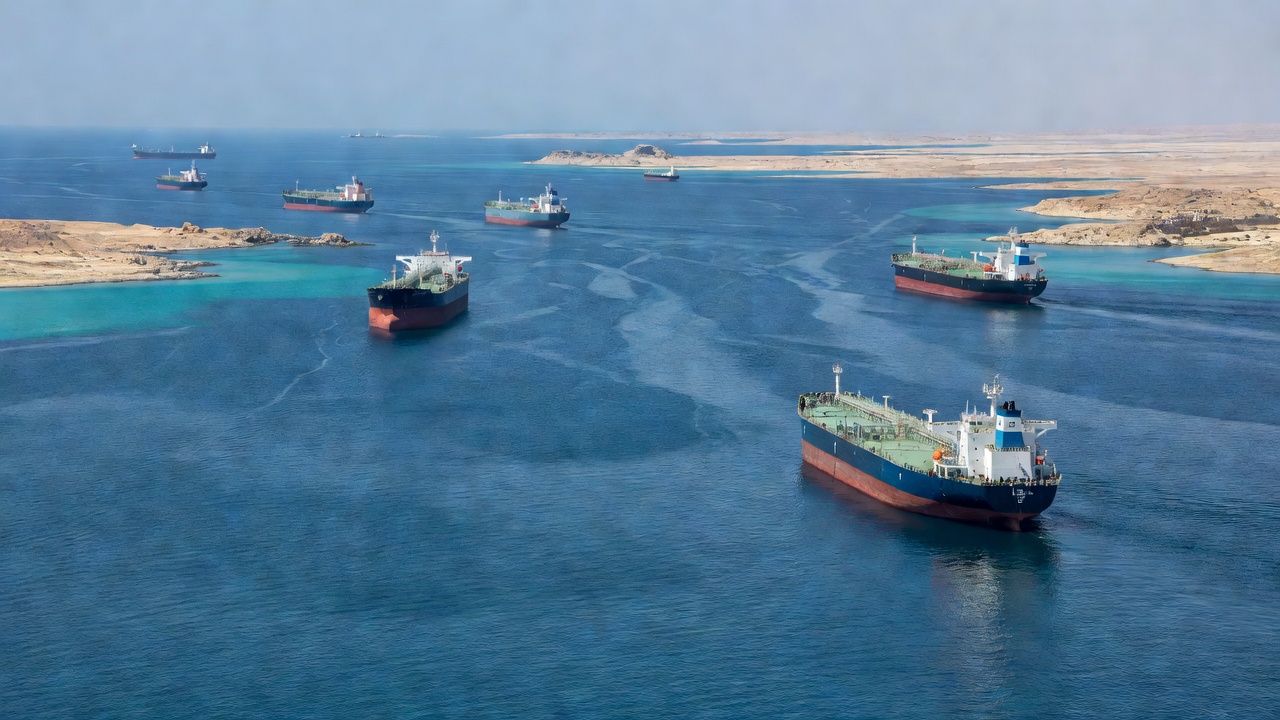

The Jerusalem Post reported on October 19 that Iran’s Islamic Revolutionary Guard Corps navy stated an oil tanker hit a naval mine and caught fire in the Strait of Hormuz, with the vessel among those that had switched off positioning and radar systems while using an unauthorized route through the waterway. The newspaper said the incident occurred as pressure mounted on Iran from multiple fronts, including Houthi actions in the Red Sea and Gulf areas that have drawn in Saudi defenses. US Energy Information Administration figures indicate that roughly one-fifth of global oil consumption transits the strait daily, underscoring the potential for disruption to energy markets from any sustained interference. The development follows a pattern of similar reported maritime events in recent weeks that have raised concerns over freedom of navigation in the critical chokepoint.
According to the Jerusalem Post, the Saudi-led coalition intercepted two ballistic missiles fired by Houthis toward Saudi territory on the same day, continuing a series of defensive actions against Iran-aligned attacks that have targeted airports and energy infrastructure. The publication noted that these interceptions came amid a broader uptick in Houthi operations that have also affected shipping routes near the Bab el-Mandeb strait. Egyptian President Abdel Fattah al-Sisi requested parliamentary approval to deploy military forces in support of Saudi Arabia, a step the Jerusalem Post described as potentially marking a significant escalation in the Iran-related conflict that has already impacted global energy prices. Such involvement would build on existing GCC coordination against the Yemen-based group.
The Jerusalem Post detailed how the Israel Defense Forces destroyed dozens of monuments and signs honoring terrorists during counterterrorism operations in the West Bank, targeting structures that officials said glorified individuals involved in attacks against Israelis. The newspaper reported that the IDF dismantled several illegal outposts in the same area as part of efforts to curb nationalist violence and incitement. These actions occurred against a backdrop of heightened tensions, including reported attacks on European diplomats that prompted a statement from Prime Minister Benjamin Netanyahu’s office warning against premature conclusions about Israeli involvement. The operations reflect ongoing Israeli security measures in the territory that have intensified in recent months.
In further diplomatic moves covered by the Jerusalem Post, Russia’s Foreign Minister Sergey Lavrov is set to visit Tehran on Monday at Iran’s invitation, a trip that comes as Moscow maintains ties with the Islamic Republic despite its conflicts with Israel. The newspaper said United Arab Emirates President Mohammed bin Zayed al-Nahyan and Saudi Defense Minister Khalid bin Salman discussed regional security challenges posed by the escalating Houthi strikes during a meeting on the same day. The UAE and Saudi Arabia have both faced direct threats from the Iran-backed militants, prompting closer coordination on defense matters. These exchanges highlight the complex web of alliances shaping responses to the crises.
The Jerusalem Post reported that European Union officials condemned settler attacks in the West Bank that targeted both diplomats and Palestinian farmers during the olive harvest season, calling for accountability and de-escalation. Netanyahu’s office, according to the publication, described reports of masked Israelis assaulting the diplomats as part of a potential smear campaign against the country and urged caution in drawing conclusions. The prime minister separately told an interviewer that Iran is advancing intercontinental ballistic missile and nuclear weapons programs ultimately aimed at the United States, framing the threat as extending beyond Israel. These statements coincided with Israeli operations against Iranian proxies across multiple theaters.
Iranian Foreign Minister Abbas Araghchi called on the United States to accept a proposal related to reopening the Strait of Hormuz, the Jerusalem Post noted in its updates, while accusing Netanyahu of pushing Washington toward war for domestic political reasons. The newspaper highlighted how Iran-backed militias have begun funneling money to the Islamic Revolutionary Guard Corps despite an economic crisis, with payments to fighters reportedly withheld to support the IRGC. CENTCOM Commander Michael Cooper was cited as describing the financial strains that have forced such reallocations among Tehran’s regional partners. The cumulative developments illustrate the multilayered pressures facing Iran and its network of allies.