
 ع
ع

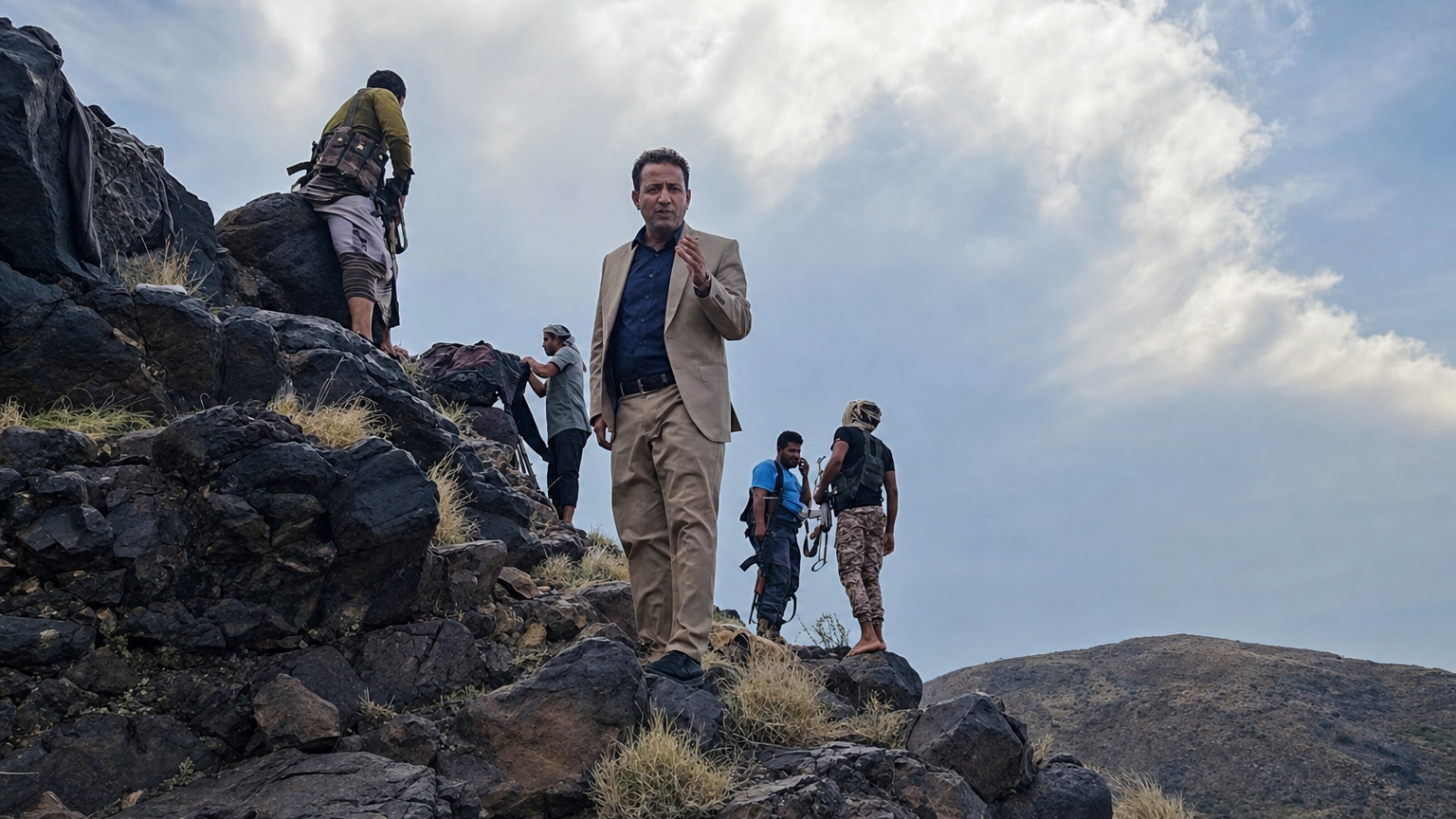

Colonel Majid al-Nuzaili, spokesman for the Saudi Arabia-backed government forces, stated that Iran-aligned Houthi fighters launched coordinated attacks late on September 23 in an attempt to seize positions along a key road linking the governorates of Aden, Lahj and Taiz. Government troops turned back the offensive in the Wadi al-Maqatirah area of Taiz while inflicting losses in lives and equipment on the attackers, al-Nuzaili said in a post on X. The spokesman added that government forces had earlier killed and wounded dozens of Houthi fighters in clashes in the Al Ahkum area on the same day.
A government forces statement issued on September 23 indicated that troops, backed by local fighters, had secured full control of Mount Qarfan in western Taiz the previous day. The mountain overlooks valleys connecting southern Taiz with the western coast, according to the Yemen Armed Forces Media Center. Control of the high ground followed the repulsion of Houthi attempts to advance through the mountains toward government-held territory.
Al Jazeera reporting shows the latest actions form part of a broader Houthi offensive that began on September 3 across western Taiz, including in the Maqbanah, Mawzaa and Jabal Habashi districts. The Iran-backed group seized the port of Mocha and much of the Red Sea coastline in the weeks that followed, prompting Saudi air strikes and further ground clashes. Government forces have since reported retaking several positions while reinforcements arrived for both sides along the contested fronts.
The World Health Organization documented 674 people killed and nearly 3,000 injured across Yemen in fighting since August 6, with 164 of the deaths and 516 of the injuries recorded between September 13 and 18 alone. A significant share of the casualties has occurred in Taiz and adjacent areas where ground battles and shelling have been most intense. The health agency issued its update as medical facilities in the region struggled to cope with the influx of wounded civilians and fighters.
Yemen’s Executive Unit for the Management of Displaced Persons Camps placed the number of people forced from their homes at least 158,000 since early September, many of them from districts in Taiz affected by the sudden escalation. The displacement figure reflects families fleeing front-line areas and makeshift camps that were themselves overrun or shelled during the fighting. United Nations agencies have warned that the new wave of internal movement has worsened an existing humanitarian crisis in a country already facing widespread food insecurity.
Houthi military spokesman Yahya Saree asserted that Saudi aircraft conducted 52 air strikes and missile attacks on September 23 across the governorates of Hodeidah, Taiz, al-Bayda, Marib and Saada, causing deaths and injuries that included women and children. The claims could not be independently verified, and the Saudi-led coalition has not commented publicly on the specific allegations. Separate Houthi statements accused government forces of shelling residential neighborhoods in central Taiz city, resulting in damage to homes.
Taiz has served as a strategic flashpoint throughout Yemen’s civil war, with government forces controlling the city center while Houthi positions ring much of the surrounding highlands to the north and east, a BBC assessment of the front lines found. The province’s mountainous terrain has repeatedly complicated efforts by either side to achieve decisive gains, according to analysts monitoring the conflict. Renewed fighting in September has once again drawn international attention to the area’s role as a gateway between the Red Sea coast and inland supply routes.