

 ع
ع

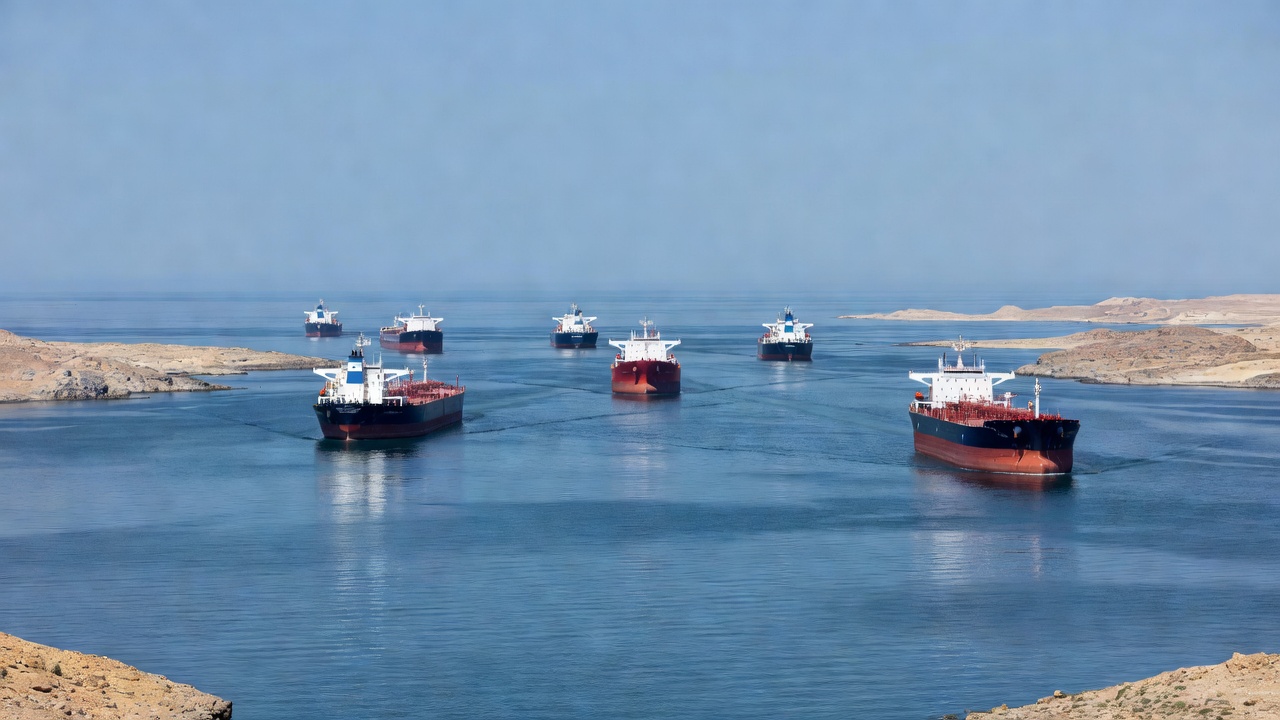

A tanker was struck by a projectile in the Strait of Hormuz on Saturday as the United States and Iran traded strikes in the sharpest escalation since they signed an interim peace deal two weeks ago, Reuters reported. Britain’s UKMTO maritime security agency said the vessel sustained damage to its bridge with all crew safe while the Joint Maritime Information Center run by a coalition of navies raised its threat level in response. The incident followed a strike on a cargo ship Thursday that triggered the latest flare-up in the waterway through which around a fifth of global oil and liquefied natural gas shipments pass according to US Energy Information Administration data.
Reuters reported that US Central Command said its overnight strikes hit Iranian missile and drone storage sites along with coastal radar positions in response to unwarranted aggression against commercial shipping that violated the ceasefire. Tehran called the US action a blatant breach of the agreement reached to end fighting that began with US-Israeli strikes on Iran in late February and said its Revolutionary Guards had hit US sites in the Gulf. The Guards warned that if the aggression is repeated their response will be broader according to statements carried by Iranian media.
An explosion occurred at a pier in Iran’s southern port of Sirik late Friday which a military source attributed to a projectile impact but Mehr news agency reported the facility was operating normally soon afterward. Bahrain which hosts the US Navy’s regional headquarters said it was targeted by several Iranian drones early Saturday and accused Tehran of sabotaging peace efforts Reuters reported. Iranian state television said the Guards had fired warning shots at vessels using routes not authorised by Tehran as the country insists ships must obtain its permission to transit the strait.
Washington has promoted a southern lane along the Omani coast while Iran aims to route traffic through its waters where it ultimately seeks to charge fees according to the Reuters account. US Vice-President JD Vance who has served as President Donald Trump’s chief negotiator on the deal said Washington had honoured the agreement and blamed Iran for any renewed conflict. Vance wrote on X that if there are disagreements about how the MOU is being applied the sides can pick up the phone but that violence will be met with violence.
The escalation unfolded over the weekend with markets closed after oil had fallen about 3 percent on Friday on course for a steep weekly drop as hundreds of blockaded ships began leaving the Gulf Reuters reported. Iran’s statistics agency said annual inflation had reached 88.6 percent up from 68 percent in February underscoring the mounting economic strain on the country. The interim peace deal had been intended to halt the conflict that erupted in late February but both sides now accuse the other of violations that have imperilled shipping through the critical passage.
In a related development the fighting threatens to drag in Lebanon where Hezbollah leader Naim Qassem rejected a US-backed deal signed Friday with Israel calling it humiliating shameful and a surrender of sovereignty and declaring it null and void according to Reuters. Israel struck the south on Saturday and Defence Minister Israel Katz said troops had been told to prepare for an extended stay in the security zone they occupy. HA Hellyer of the Royal United Services Institute said Iran was likely to keep up calibrated low-level coercive activity around the strait to pressure shipping without triggering a wider war.
The UN International Maritime Organization had paused its operation escorting ships through the Strait of Hormuz after the Thursday vessel attack Reuters reported in a related dispatch. Previous incidents in April saw Iran seize vessels in the waterway after the collapse of earlier peace talks highlighting the persistent risks to commercial shipping in the region. US officials have continued to accuse Iranian forces of direct involvement in the latest projectile strikes on commercial vessels.