
 ع
ع


Trendsnafrica reported on October 7 that QatarEnergy agreed to enter Angola’s offshore oil sector through proposed interests in Blocks 8 and 22 in the Kwanza Basin. The heads of terms were signed in Luanda with Angola’s National Agency for Oil, Gas and Biofuels, Shell and Sonangol E&P during the Angola Oil and Gas 2026 conference. Under the proposed arrangement, Shell would operate both blocks with a 50 percent working interest, QatarEnergy would take 30 percent and Sonangol E&P would retain 20 percent, subject to regulatory approvals. The framework involves risk service contracts rather than final petroleum agreements.
The energy transaction forms part of a wider pattern of Gulf capital entering African resource sectors. Chatham House research places total GCC investment in Africa above 100 billion dollars over the past decade, with the UAE accounting for roughly 59 billion dollars and Saudi Arabia around 26 billion dollars. Qatar has pursued more targeted partnerships in energy and related infrastructure according to the same assessment. In 2023 alone, GCC entities announced 73 foreign direct investment projects in Africa valued at more than 53 billion dollars.
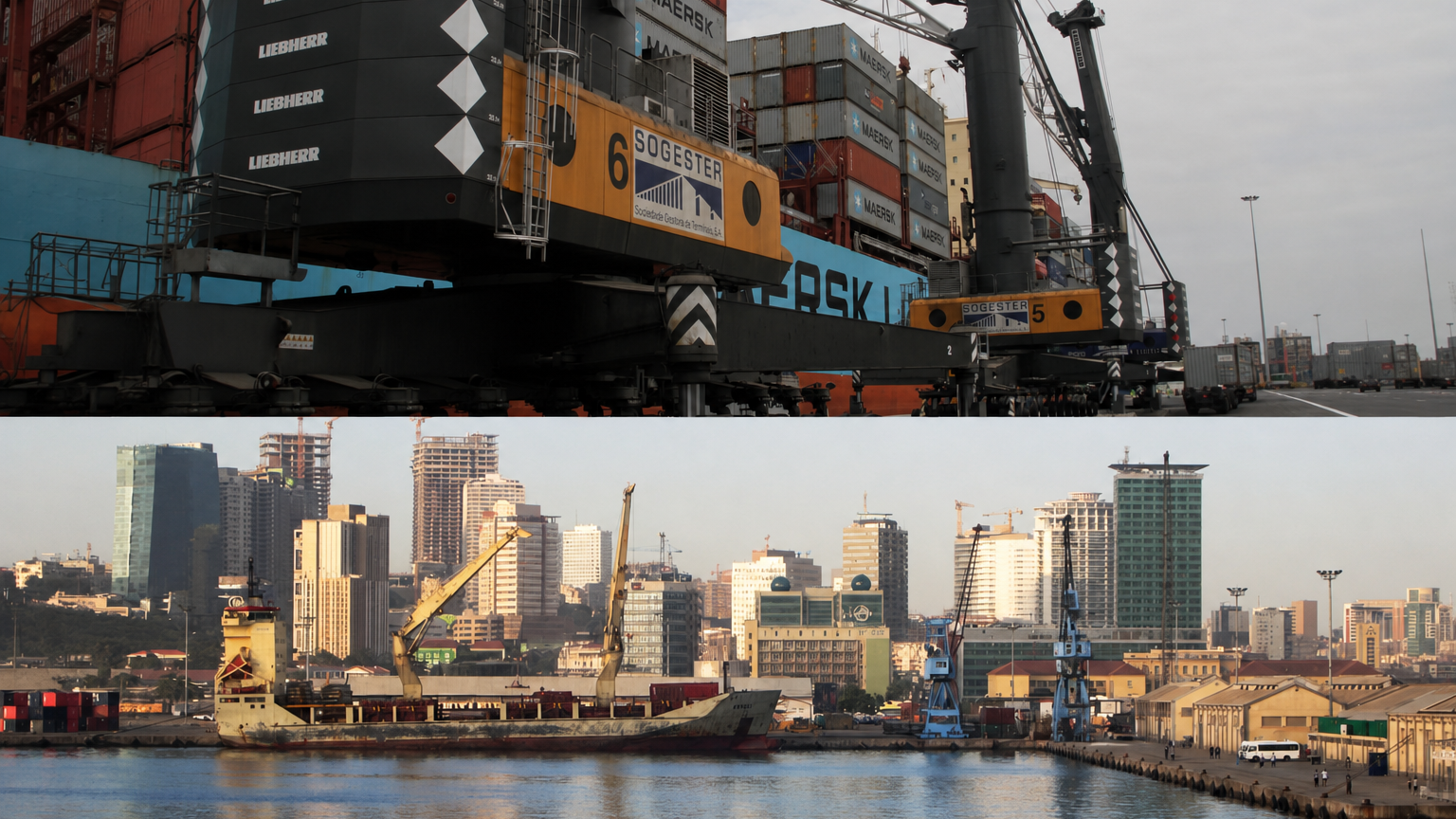
AD Ports Group, headquartered in Abu Dhabi, secured an 81 percent stake in the operating company for Luanda’s multipurpose terminal through a 20-year concession signed in April 2024. The agreement includes an option for a 10-year extension and covers development of associated logistics operations through the Noatum Unicargas joint venture. The group has committed 250 million dollars through 2026 for terminal modernisation, with total investment potentially reaching 380 million dollars over the concession life according to project disclosures.
The port investment will expand capacity at the facility, which handles the majority of Angola’s container and general cargo traffic. Modernisation plans include infrastructure upgrades to accommodate Super Post-Panamax vessels with a 16-metre draft and increase container throughput from 25,000 TEUs to 350,000 TEUs. Trendsnafrica noted that the combined energy and logistics moves illustrate Gulf capital shifting from trade partnerships toward direct ownership of strategic assets in Angola.
Angola gains fresh capital injection and operational expertise without displacing existing national participation in the oil blocks. The port concession aligns with efforts to position Luanda as a regional trade gateway for West and Central Africa. Separate reporting from industry outlets indicates parallel Gulf infrastructure commitments across the continent, including additional port and logistics projects in East and Southern Africa that follow similar concession models.
Chatham House and African Development Bank data highlight that Gulf investments concentrate in energy, ports, logistics and agriculture, sectors viewed as central to Africa’s long-term growth. These flows have accelerated since the early 2020s as GCC sovereign and private entities seek diversification beyond traditional markets. The Angola transactions fit within this broader allocation strategy that has seen sovereign institutions such as ADQ and Mubadala expand their African exposure.