
 ع
ع

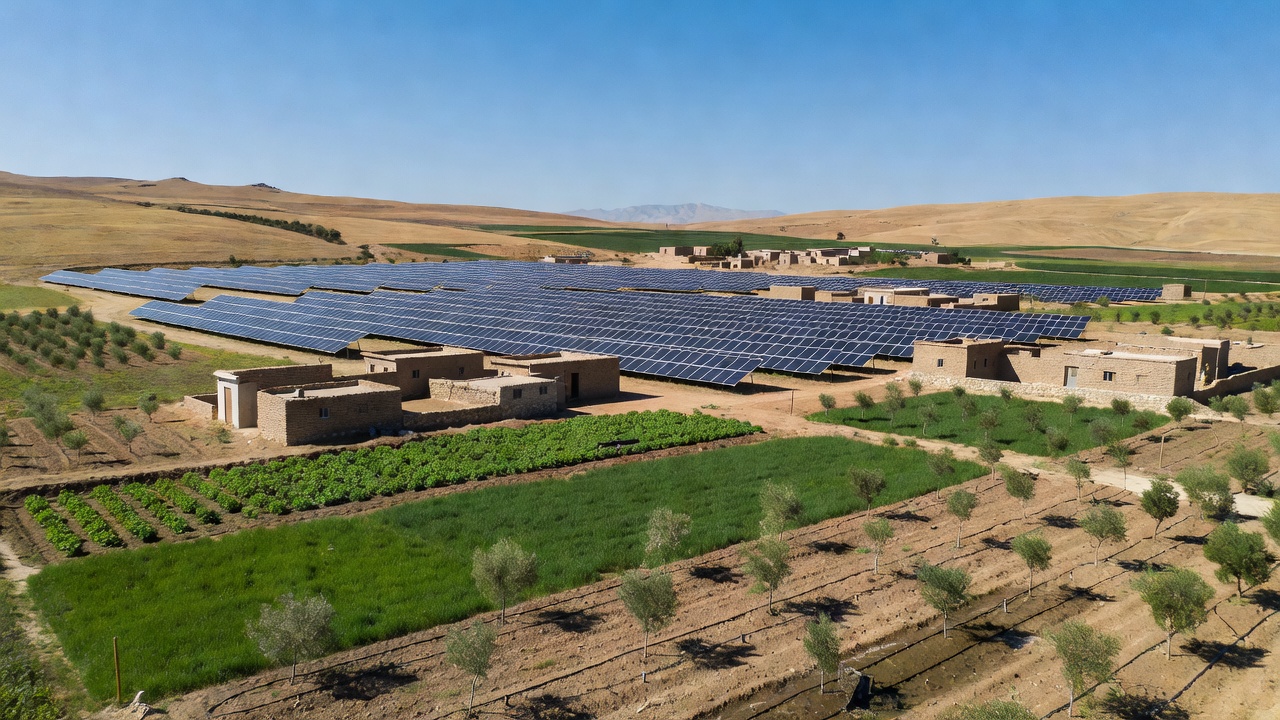

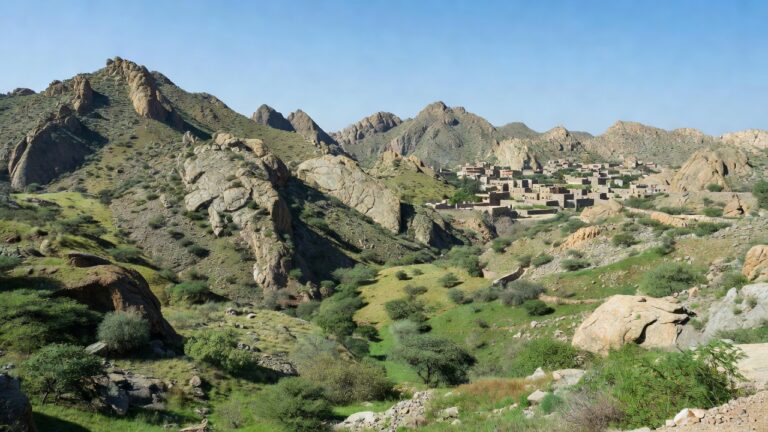
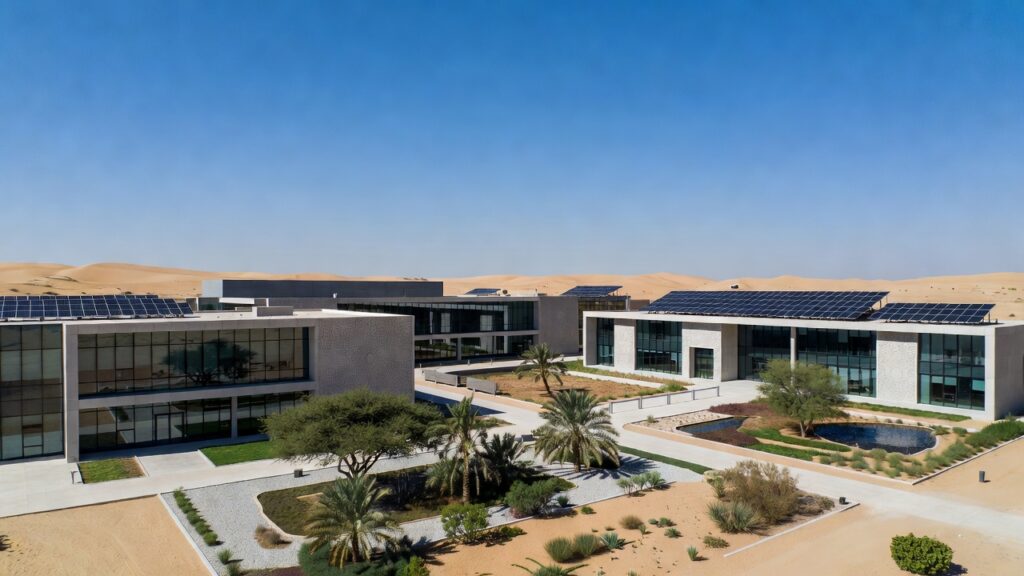
The Rwanga Foundation announced in April 2025 the launch of Kulak Solar Village as Iraq’s first fully off-grid solar-powered community serving 32 homes and roughly 200 residents southeast of Erbil. The initiative supplies round-the-clock electricity through solar arrays while integrating improved irrigation systems and training programmes in regenerative agriculture. Idris Nechirvan Barzani the foundation’s founder and president stated this village represents a bold vision for a different future transforming vulnerability into resilience and laying the foundation of a green revolution. The foundation has since extended the model to additional sites including Gri Bie and Qamish where similar combinations of renewable power community infrastructure and sustainable farming have taken root.
Iraq maintains near-universal electricity access yet supply remains intermittent prompting widespread reliance on diesel generators according to multiple energy assessments. World Bank data places national access at 100 percent in 2023 while an IRENA review of Iraq’s energy transition highlights significant gaps between generation and peak demand particularly in the Kurdistan Region. The Rwanga projects offer decentralised renewable solutions that complement rather than duplicate central grid investments and have provided continuous power to homes public buildings and agricultural operations in participating communities. The foundation established in 2013 reports reaching more than three million people through its cumulative initiatives.
Agriculture employs 9.5 percent of Iraq’s active population and around 20 percent of the overall workforce especially in rural zones a United Nations country analysis found. The sustainable villages enhance productivity by powering irrigation refrigeration and processing equipment while promoting better water management to counter scarcity and salinity that have affected up to 60 percent of cultivated lands per earlier FAO estimates. UNDP documentation on Iraq Vision 2030 identifies strengthened food security and agricultural development as core national objectives that these community-scale efforts directly support. The foundation has planted over 200000 trees since 2020 including olive varieties as part of its parallel Green Kurdistan campaign.
Climate vulnerability ranks high on Iraq’s agenda with rising temperatures desertification and altered rainfall patterns threatening rural livelihoods an IRENA energy transition assessment noted. Rwanga’s integrated approach pairs solar infrastructure with sustainable land practices to build local resilience and reduce emissions tied to diesel dependency. Projects also incorporate education and health services to improve living standards and slow migration toward overburdened urban centres. Replication remains a central design feature with the foundation aiming to scale the village model progressively through 2030.
The community-led framework aligns with Iraq’s broader sustainable development strategy that pairs large-scale infrastructure with localised action to achieve balanced economic growth. Rwanga Foundation records indicate the villages have generated immediate improvements in electricity reliability agricultural output and community services across trial locations. Further expansion will test adaptability in varied geographic and climatic conditions while maintaining focus on measurable contributions to national energy food security and environmental targets.