
 ع


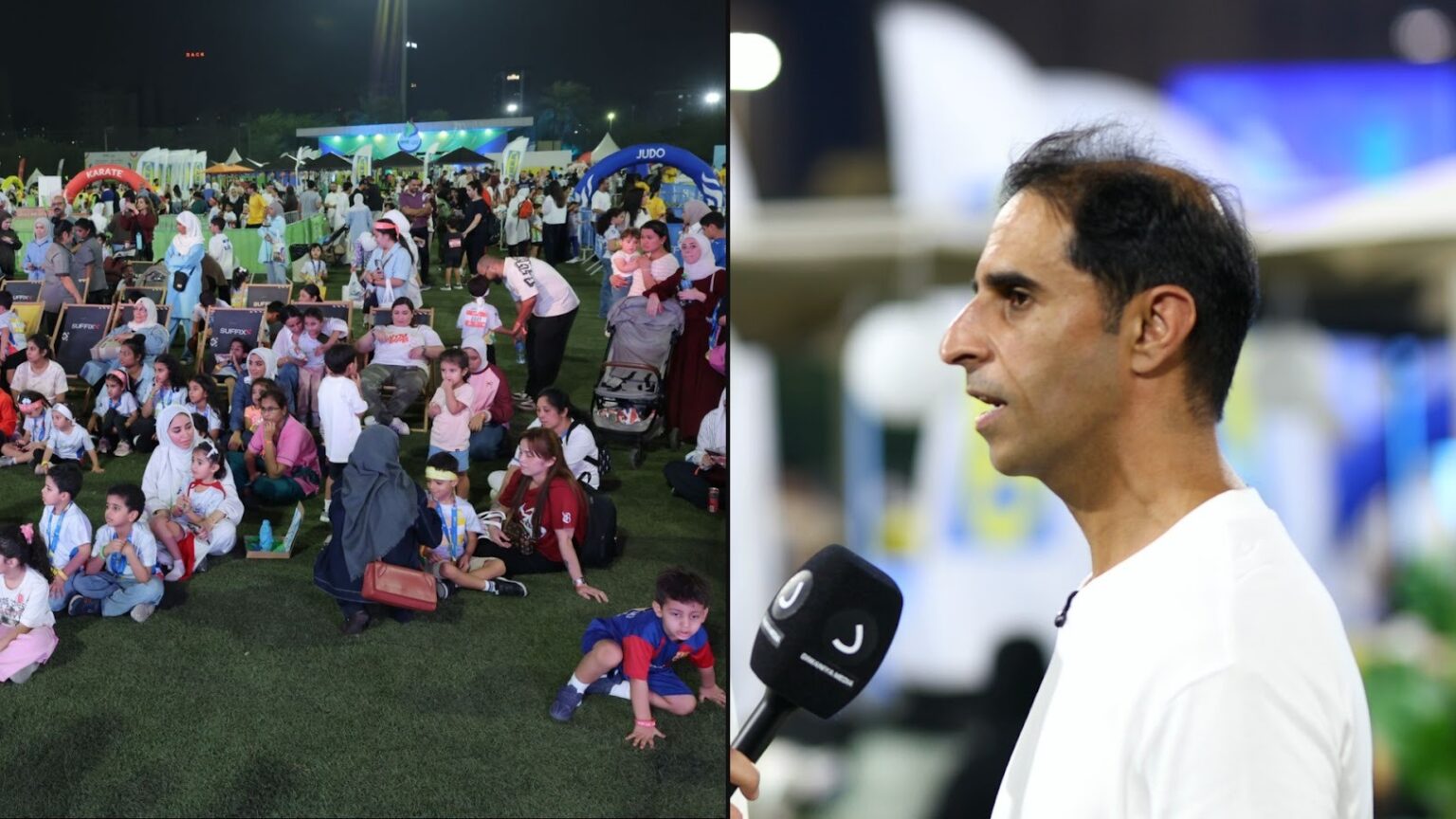

More than 2,000 children attended the third edition of Little Heroes, according to organisers. Beyond the races and medals, the festival put family time, independence and the opportunity to discover new interests at the centre of the day.
A family day out can also be an opportunity for parents to step back. At Little Heroes in Kuwait, one mother described the pleasure of watching her child take part independently: “I love that the kids get to go by themselves and do something without the parent for once.”
Asked whether she would be joining in herself, however, she was equally certain: “Oh, for sure.”
That balance between trying things independently and spending time together ran through the festival, which took place on 30 and 31 October. Organised by Suffix and powered by IKEA, Little Heroes combined sports activities with performances, races and a programme designed around a family afternoon outdoors.
Speaking to Diwaniya Media on 30 October, Ahmed Almajed, COO of Suffix, said the third edition welcomed more than 2,000 children, with more than 21 Olympic sports represented in the programme. His ambition extended beyond attendance: he wanted the event to become a starting point for more active daily habits.
Races, shows and opportunities to join in
Across the two days, the programme moved between organised competition and activities families could watch together. The Hero Run featured on the first day, followed by the Hero Obstacle Race on the second, with relay races also on the schedule.
The main stage programme included football freestyle, taekwondo, science and puppet shows, alongside magic and family trivia. A tug of war and a crawling race added different forms of participation, while the Little Heroes Parade brought costumed characters and drummers through the event before the awards ceremony.
The variety gave the festival a rhythm beyond the races. Families could move between taking part, watching a demonstration and gathering for a performance, without the afternoon depending on an interest in any single sport.
For Almajed, introducing that choice early was part of the purpose. He pointed to sedentary routines and time spent on screens as reasons to make physical activity more accessible and appealing.
IKEA Kuwait expresses a similar aim in its local community initiatives, which include encouraging children to lead healthier, more active lives.
A family outing with room for everyone
Elisa Albendea, IKEA Brand & CMI Director for Kuwait, Jordan and Morocco, described the event through the relationship between play and family life. “We are a family brand,” she said, adding that “Kuwait is a family country”.
The idea, she explained, was to create time together away from screens, with opportunities to discover an enjoyable activity along the way. That also meant recognising that participation would look different from one person to another.
“First, we want to promote diversity, we want to promote inclusion, and we want all the kids to find their own strengths,” Albendea said. She described the experience as a chance to discover a passion or overcome a fear, with learning taking place through play and being together.
“Team play is fair play.”
The first-day stage programme included a fencing demonstration by athletes with Down syndrome, placing inclusion within the sporting programme itself.
For parents, the opportunity to watch from the sidelines also had value. The mother attending for the first time spoke about independence, while her willingness to join in reflected another part of the day’s appeal: families could share the experience while leaving space for individual attempts.
Making activity part of everyday life
The wider benefits of movement are well established. The World Health Organization identifies benefits for children’s physical fitness, bone health, cognitive development and mental health, and recommends limiting sedentary time.
Almajed’s advice to parents brought that discussion back to everyday routines. “Physical activity is not just for the health, it’s about commitment, it’s about having clear goals,” he said. “So it should be part of the kids’ daily habits.”
He placed Little Heroes within a wider programme of more than 40 events Suffix runs each year, spanning activities from motorsport to equestrian sport. Encouraging people to be active, he said, was the shared purpose.
His message to other business owners also extended beyond the event itself. Alongside growth and profit, he urged them to consider their contribution to the community and the effect they could have through physical activity.
The races and awards gave the weekend its milestones. Almajed’s ambition concerned what followed: whether an activity first encountered at the festival would find a regular place in family life. As he put it, “we want the kids to be active”.