
 ع
ع

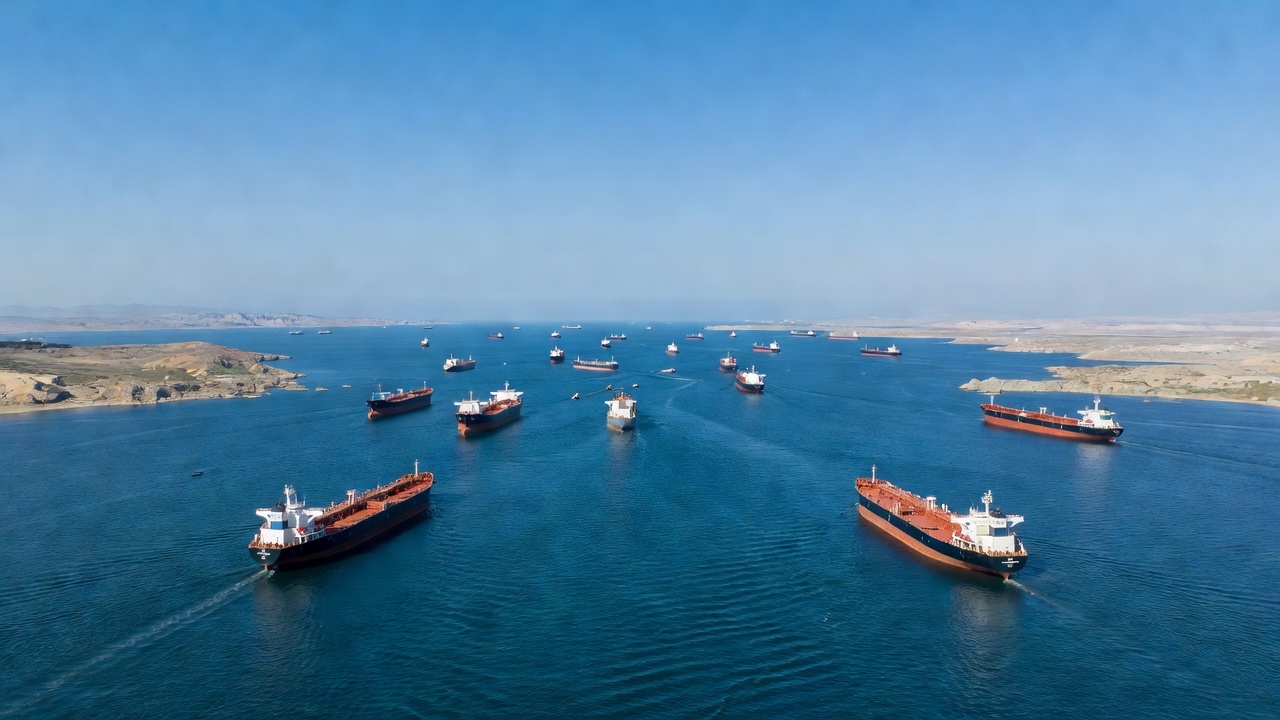

Maritime tracking firm Kpler documented a recovery in traffic through the Strait of Hormuz on Monday with 40 vessels passing the strategic chokepoint, up from 24 on Sunday and 39 on Saturday. The figures reflect renewed movement after Washington and Tehran agreed to a ceasefire along with a 60-day window for negotiations to end the conflict. Last Wednesday recorded 76 transits, the highest daily total since early March, according to the firm’s compiled data. Hundreds of ships had remained stuck in the Gulf since Iran effectively closed the waterway in late February following U.S. and Israeli military strikes.
Kpler data shows traffic split roughly evenly between an Iranian coastal corridor used mainly for east-to-west passages and an Omani route favored for west-to-east travel. Many vessels disable their transponders upon entering the strait, limiting visibility into exact routes and producing only a partial picture of total volumes. The firm noted that while compliance with Tehran’s directives has increased, alternative paths under U.S. military escort continue for some operators. This dynamic emerged after Iran demanded shipping remain close to its coastline in response to the February strikes.
The 2026 Strait of Hormuz crisis, which began with coordinated U.S. and Israeli actions on February 28, severely disrupted one of the world’s most critical energy arteries. Iran retaliated by targeting vessels and infrastructure, reducing traffic to as few as five ships per day at points in April, according to Reuters reports citing pre-war averages of around 140 daily passages. Encyclopaedia Britannica figures place typical daily traffic at more than 80 vessels and sometimes exceeding 130 before the conflict, with the waterway accounting for over 20 percent of global oil and liquefied natural gas flows.
A Congressional Research Service assessment from March 2026 highlighted how Iranian declarations closing the strait led to attacks on multiple ships, killing crew members and halting most commercial activity. The resulting shortages rippled through Asian fuel markets while elevating global oil prices to peaks near $120 per barrel in the conflict’s early weeks. Kpler’s recent tracking indicates a gradual reopening tied to the June 17 ceasefire memorandum, though volumes remain well below pre-crisis levels as operators navigate persistent security risks and divided corridors.
Publicly available IMF charts on Hormuz transits showed daily calls averaging near five in mid-June with trade volumes under 200,000 metric tons on some days, a sharp contrast to the more than 20 million barrels of oil that normally transit daily. The maritime firm Kpler has continued monitoring both verified crossings and dark fleet activity, where sanctioned vessels linked to Iran often evade full detection. Monday’s rebound follows a pattern of incremental increases since the ceasefire, yet full normalization hinges on outcomes from the ongoing 60-day talks between the involved parties.