
 ع
ع

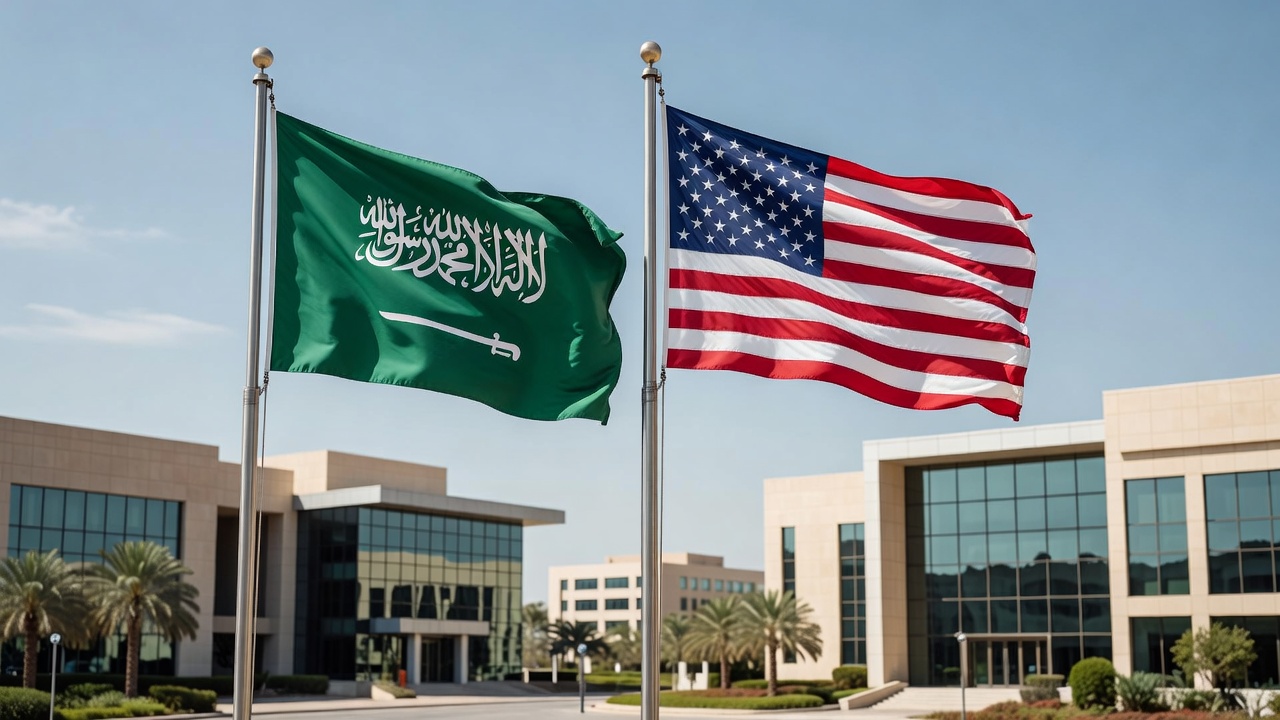

The Saudi Press Agency reported that Prince Faisal bin Farhan bin Abdullah spoke by phone with Marco Rubio to review recent events across the Middle East. The ministers highlighted the value of sustained consultations between the Kingdom and the United States on matters affecting regional security. This exchange aligns with a pattern of regular high-level contacts that have defined bilateral diplomatic engagement in recent years. The discussion occurred as both countries navigate an evolving geopolitical landscape marked by multiple interconnected challenges.
Regional dynamics have drawn increased attention from Saudi and US policymakers amid persistent tensions in several areas. An International Monetary Fund assessment in its April 2026 Regional Economic Outlook for the Middle East and Central Asia found that conflicts continue to influence growth projections and inflation patterns throughout the area. Saudi Arabia has maintained a consistent focus on diplomatic pathways to reduce escalation risks and support broader stability efforts. The call reflects Riyadh’s ongoing role in regional coordination initiatives that seek to address these pressures through aligned international positions.
Prince Faisal bin Farhan has conducted extensive diplomatic outreach to advance Saudi priorities on key files. A report from the Arab Center Washington DC outlined how Saudi policy balances economic ambitions with the need for a stable environment that attracts investment and fosters development. The analysis noted Riyadh’s interest in shaping a regional order conducive to capital flows while managing competition and turbulence. Such phone conversations with US counterparts form part of this broader strategy that integrates security concerns with longer-term economic objectives.
Bilateral ties between Saudi Arabia and the United States have historically emphasized cooperation on counterterrorism, energy markets and strategic stability. World Economic Forum tracking of Gulf economic shifts shows Saudi Arabia drew $31.7 billion in foreign direct investment in 2024 as part of diversification initiatives that benefit from secure regional conditions. The latest discussion builds on prior engagements, including GCC-related meetings that addressed topics such as navigation freedoms and conflict developments in Gaza and Lebanon. These interactions demonstrate the depth of consultation mechanisms maintained by both governments.
The Saudi Press Agency has documented multiple similar calls in recent months that underscore the continuity of Saudi-US dialogue. Officials from both sides have used these channels to exchange assessments on issues ranging from Iran-related negotiations to humanitarian conditions in affected zones. This latest conversation comes against the backdrop of Saudi advocacy for comprehensive solutions, including positions on Palestinian statehood that align with the 2002 Arab Peace Initiative. The exchange reinforces the framework through which the two countries address shared interests in a secure Middle East.