
 ع
ع

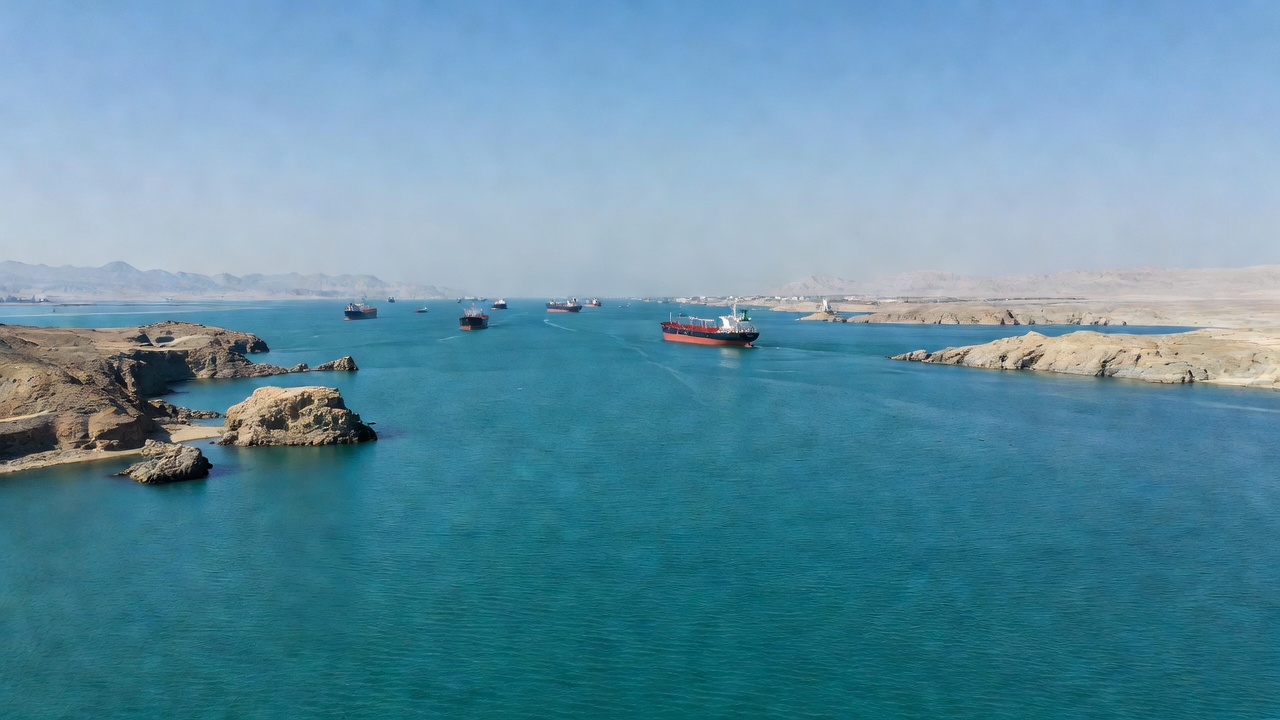

Omani Foreign Minister Badr Al Busaidi spoke by telephone with his Egyptian counterpart Badr Abdelatty on June 27, 2026, to discuss regional tensions and security in the Strait of Hormuz, Gulf Times reported. The ministers explored diplomatic avenues to de-escalate conflicts, promote renewed dialogue and ensure the safe passage of energy shipments through key waterways while reaffirming their commitment to coordinated efforts for regional stability.
Gulf Times reported that the two ministers reviewed recent regional developments and diplomatic initiatives aimed at containing tensions. They examined potential steps to restart meaningful dialogue and foster greater political consensus across the Middle East while addressing challenges that threaten stability. In addition to Hormuz, the conversation touched on other vital international waterways, with both sides voicing concern over any disruptions that could affect global commerce. The call underscored the strong partnership between Muscat and Cairo in tackling shared security threats.
U.S. Energy Information Administration data shows total oil flows through the Strait of Hormuz averaged 20.9 million barrels per day during the first half of 2025. This volume represented approximately 20 percent of global petroleum liquids consumption and one-quarter of all seaborne traded oil, an EIA assessment found. Flows declined in early 2026 amid escalating conflicts, dropping to 14.6 million barrels per day in the first quarter as reported by the Institute for Energy Research citing EIA figures. The disruptions followed Iranian actions during the 2026 conflict that restricted transit, according to regional security updates.
A RAND Corporation research brief noted that Oman has historically pursued an independent foreign policy that enabled it to maintain diplomatic relations with Egypt after Cairo’s 1978 peace agreement with Israel when most Arab states severed ties. This stance has allowed Oman to act as a mediator in sensitive regional matters over decades. Similar patterns of cooperation have continued with regular high-level exchanges on security issues between the two nations.
The latest discussion builds upon earlier engagements, including a January 2025 meeting in which the foreign ministers addressed Red Sea security and bilateral cooperation, Asharq Al-Awsat reported. Those talks similarly prioritized freedom of navigation, trade flows and comprehensive political approaches to ongoing crises. Both nations have since signed multiple accords to deepen ties in trade, security and investment.
An ACLED overview for June 2026 indicated that regional tensions have intensified with clashes involving state forces and suspected infiltrators plus missile attacks on Gulf targets. Attacks on shipping near Oman have heightened concerns over maritime safety, the data showed. The International Organization for Migration has documented a growing humanitarian crisis stemming from displacement and instability across the area.
The Omani embassy in Cairo has highlighted ongoing joint work by the two countries to promote security and peace throughout the Arab region through continuous consultations established since diplomatic relations began in 1972. Their partnership encompasses political, economic and defense collaboration. Recent developments demonstrate a sustained focus on stabilizing the region amid evolving challenges.