

 ع
ع

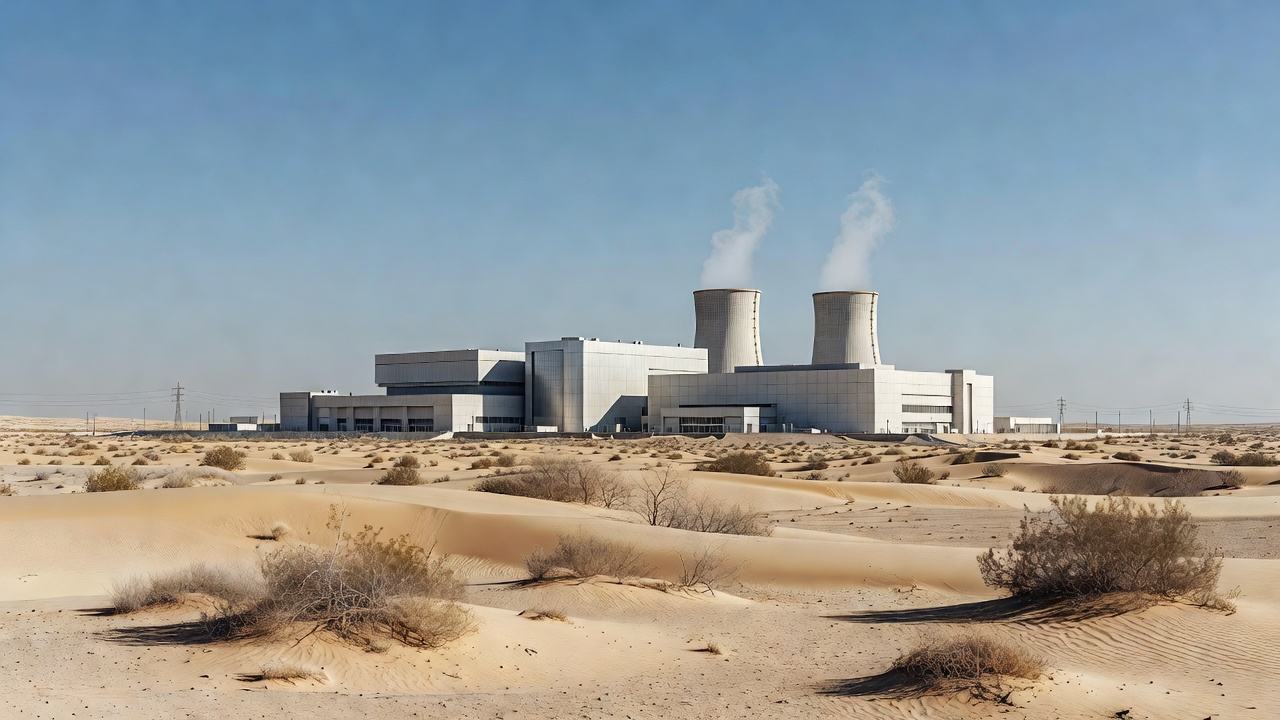

The Saudi Ministry of Energy announced the signing of the Agreement for Cooperation on the Peaceful Uses of Nuclear Energy with the United States in a press release issued on July 22. Prince Abdulaziz bin Salman, serving as the kingdom’s minister of energy and minister of industry and mineral resources, joined US Energy Secretary Chris Wright for the formal signing. The pact follows the conclusion of bilateral negotiations that were announced during Crown Prince Mohammed bin Salman’s visit to Washington in November 2025, building directly on the nations’ longstanding strategic partnership in the energy sector.
All cooperative efforts under the agreement will adhere to the highest international standards for nuclear safety, security and non-proliferation, the Saudi Ministry of Energy stated. The framework is designed to promote the exchange of expertise, knowledge and technologies related to civilian nuclear applications. It also aligns with both countries’ goals of expanding collaboration in energy innovation and future technologies to support sustainable development initiatives.
The Saudi Ministry of Energy described the deal as an extension of existing bilateral energy cooperation that will help diversify energy sources and open avenues for new investments serving mutual economic interests. According to the ministry, the agreement creates opportunities to advance cutting-edge technologies while addressing shared priorities in energy security. This step is expected to facilitate greater joint work on projects that leverage American expertise in the Saudi context.
A statement from the US Department of Energy characterized the agreements, which include a separate bilateral safeguards pact, as establishing the legal foundation for a decades-long, multi-billion-dollar partnership. The department noted that the accord advances key economic and strategic objectives, including nuclear nonproliferation, and provides substantial access for American companies to participate in Saudi Arabia’s nuclear energy program. Such involvement could include firms like Westinghouse contributing to reactor development using US technology.
The pact, known as a 123 Agreement under US law, is set to last 30 years and reportedly includes provisions that could allow Saudi Arabia to pursue uranium enrichment for its civilian program, a shift from previous US policy positions as detailed in reports cited by Al Jazeera. The US Department of Energy emphasized that the arrangements maintain strong safeguards to prevent proliferation risks. This development coincides with Saudi Arabia’s ongoing efforts to expand its civilian nuclear infrastructure to meet rising electricity demand and support broader economic diversification targets.
Both governments have framed the signing as a milestone that reinforces their energy partnership without compromising global non-proliferation commitments. The Saudi Ministry of Energy indicated that further implementation details will emerge as the two sides begin translating the agreement into concrete projects. Industry observers anticipate that the deal will accelerate progress on Saudi plans for nuclear power generation while integrating American commercial capabilities.