
 ع
ع

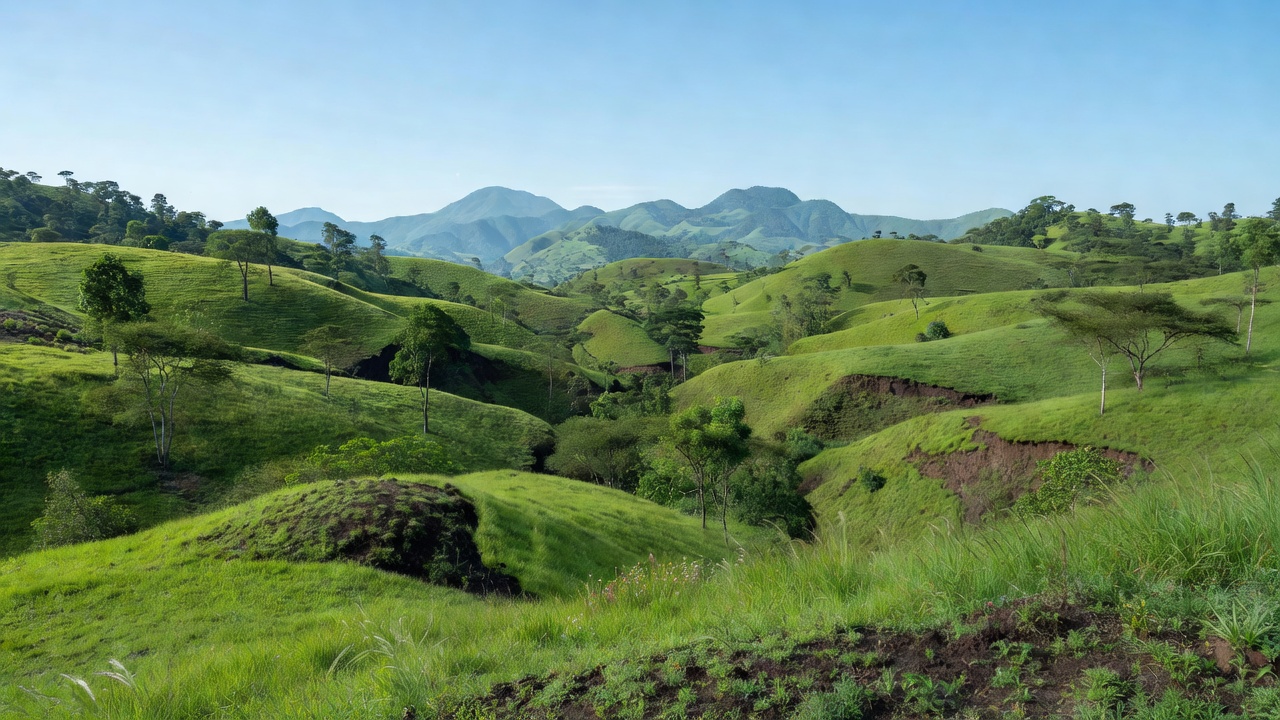

On June 27, 2026, UN envoy James Swan urged parties to stay the course toward peace in eastern Democratic Republic of the Congo as he briefed the Security Council, emphasizing full implementation of the Washington peace agreement between the DRC and Rwanda along with the Doha Framework and African Union mediation. Swan, who took up his post as head of the United Nations Stabilization Mission in the DRC (MONUSCO) in March, said the accords have created an agreed pathway that must not lose momentum nearly a year after the Washington signing.
A UN News report on the briefing detailed how Swan stressed that it is now imperative for all signatories to fully implement their commitments under the various processes. The December 2025 Security Council renewal of MONUSCO’s mandate had already come against a backdrop of intensified M23 activity according to earlier UN News coverage. Swan warned that the security situation in North Kivu, South Kivu and Ituri provinces remains highly unstable with civilians continuing to pay a heavy toll.
Swan reported that heavy fighting persists between the Alliance Fleuve Congo and March 23 Movement supported by Rwandan forces and the Congolese army allied with the Wazalendo armed group. In certain zones Congolese troops receive backing from the Democratic Forces for the Liberation of Rwanda which was founded by perpetrators of the 1994 genocide against the Tutsi according to the briefing. Clashes concentrate around the mining center of Rubaya and the Rutshuru area in North Kivu as well as the high plains of South Kivu where the use of offensive drones artillery and heavy weapons has elevated risks to civilians and infrastructure.
Figures from MONUSCO documented 632 civilian deaths linked to armed conflict in North Kivu and Ituri since March 19. The mission also recorded 1,221 human rights violations during the same period including conflict-related sexual violence that affected 2,968 victims among them 392 women and 378 children. The Allied Democratic Forces killed 287 civilians in Ituri including 44 women since the previous Council meeting while a recent resumption of violence in Beni territory claimed 66 more lives including 17 women and three children.
MONUSCO has intensified patrols and established additional mobile operating bases in areas hit by ADF attacks and near camps for internally displaced persons. The mission has carried out more than 2,000 joint operations with the Congolese army since mid-March while supporting local peace mechanisms that produced a dialogue roadmap among armed groups in Ituri’s Aru territory. Between March and June MONUSCO facilitated the repatriation of 156 former Rwandan combatants and 163 dependents linked to the FDLR and other foreign armed groups as part of ongoing disarmament demobilization and reintegration efforts.
UN data places nearly 27 million people more than a quarter of the DRC’s population in conditions of food insecurity with a $1.4 billion humanitarian appeal for 7.3 million recipients funded at just over 53 percent. An Ebola outbreak declared on May 15 continues in conflict-affected urban zones with overstretched health services posing risks of wider transmission according to World Health Organization information referenced in the briefing. A UN News assessment from June 20 indicated that the scaled-up Ebola response remains insufficient one month into the emergency.
Swan concluded by urging all parties to the Washington and Doha agreements to stay the course toward durable peace. He reiterated calls by the UN Secretary-General for full compliance with two Security Council resolutions that reaffirm respect for the sovereignty independence unity and territorial integrity of the DRC. Swan stated “MONUSCO’s support for the aspirations of the Congolese people for sustainable peace security and development remains unwavering.”