
 ع
ع

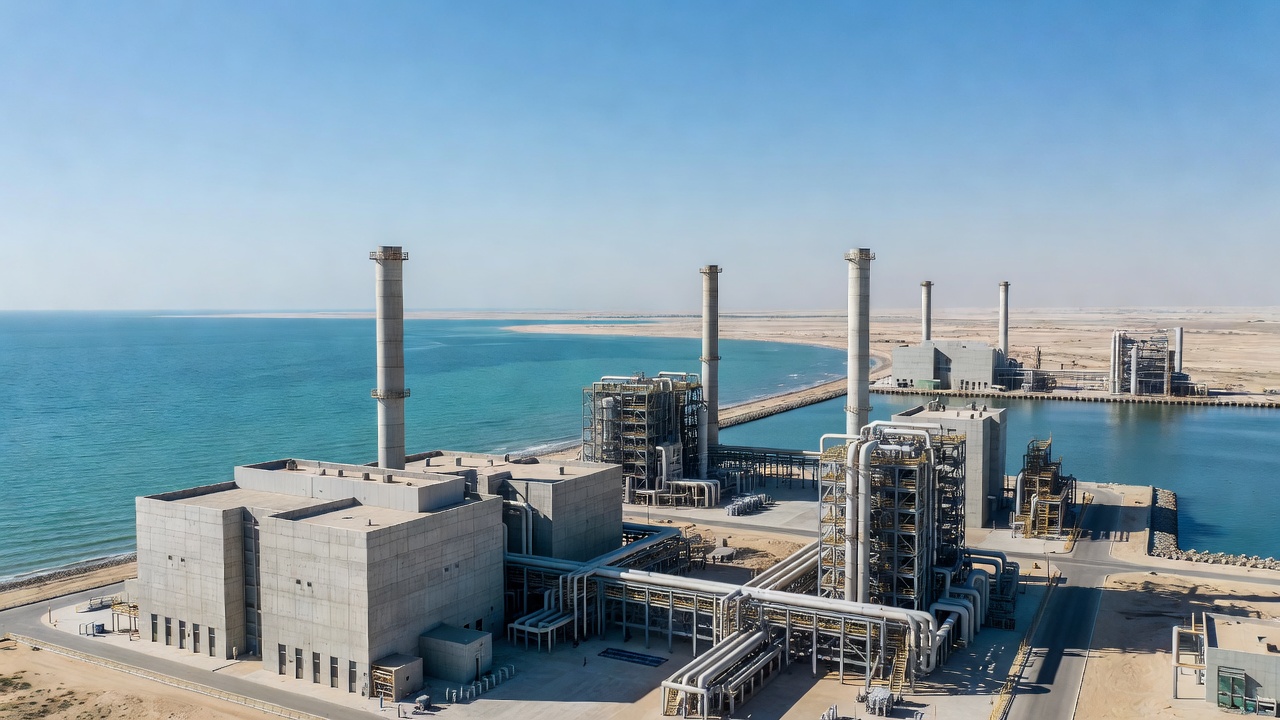

The Ministry of Electricity, Water and Renewable Energy issued a statement on the social media platform X that attributed the latest incidents to continued Iranian actions against the Gulf state. According to the ministry, several electricity power plants and water distillation stations sustained attacks that resulted in fires at multiple facilities on July 20. The statement framed the events as part of a pattern of aggression that has now extended across four successive days, though it offered no specifics on the precise locations hit or the scale of operational disruption.
In its post, the ministry reiterated language describing the strikes as heinous aggressions on the state of Kuwait while confirming that the fourth day of attacks followed similar actions on the three preceding days. The ministry’s account aligns with earlier indications of targeting critical infrastructure that supports both electricity generation and water production across the country. Kuwait’s civil defence forces responded to the resulting fires, the ministry indicated, without elaborating on containment timelines or any associated injuries.
Kuwait generates virtually all of its drinking water through desalination processes often integrated with power stations, Public Authority for Electricity and Water data from 2024 shows. The ministry oversees an installed power capacity exceeding 17 gigawatts, much of it derived from facilities that co-produce thermal energy for desalination, according to figures published by the Organization of Arab Petroleum Exporting Countries. Such dual-purpose plants have historically operated near full capacity to meet per-capita water consumption rates that rank among the world’s highest.
The ministry’s July 21 statement on X did not address potential cumulative effects from the four days of reported strikes on overall electricity supply or water output. Separate assessments by the International Energy Agency have previously noted that Gulf states maintain strategic reserves to buffer short-term disruptions in power and water systems. Kuwait has in the past drawn on these reserves during maintenance periods or peak summer demand, agency reports indicate.
Regional diplomatic channels have registered the ministry’s accusations, though the statement itself stopped short of outlining any planned retaliation or requests for international intervention. The Ministry of Electricity, Water and Renewable Energy has used similar public channels in prior years to highlight infrastructure challenges ranging from maintenance needs to external threats. Its latest post underscored the repeated targeting of the same categories of facilities without providing photographic evidence or independent verification details.
Earlier ministry disclosures placed the number of major desalination stations at more than a dozen, each contributing to a daily fresh-water output that averaged roughly 500 million imperial gallons in recent operational summaries. The power grid supporting these stations has expanded steadily over the past decade, Central Statistical Bureau records show, to accommodate population growth and industrial expansion. The ministry’s statement on the latest attacks did not reference any shift in service levels for residential or commercial users following the reported strikes.