
 ع
ع

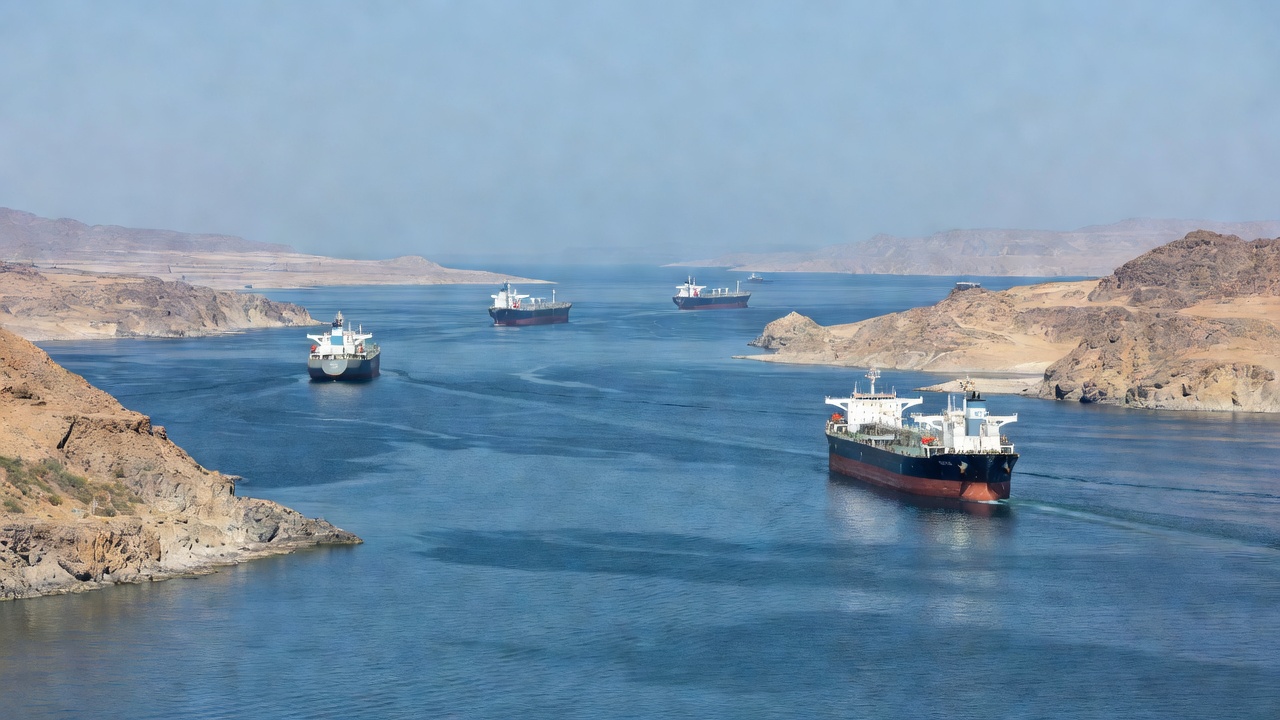

A senior Iranian official told Reuters on September 22, 2026 that Iran can reopen the Strait of Hormuz within seven days if the United States eases its military pressure and lifts the blockade on Iranian ports. The official added that the US must first announce its desire to resolve the issue diplomatically, formalise that position and then agree on a timeline for advancing the process. Iran’s military central command had warned on September 21 that it was informed of US preparations to restart military operations with regional support, according to the Reuters report. The official noted that Tehran’s proposal for ending hostilities was delivered to Washington via mediators on September 16.
The Iranian delegation attending the United Nations General Assembly in New York holds full authority to revive diplomacy with the United States, the senior official told Reuters. President Masoud Pezeshkian, who departed Tehran for New York on September 22, will not meet US President Donald Trump at UN headquarters, according to the same official. Details of any agreement to end hostilities can be discussed in New York through mediators, the official stated. The UN General Assembly represents a significant opportunity for Washington to return to diplomacy if it takes tangible steps, the official added.
Iran’s conditions for reopening the waterway have evolved in recent months, a pattern documented across multiple Reuters dispatches from August and September 2026. An August 28 Reuters report from Dubai and Cairo detailed how Iranian mediators emphasised drawing up a list of conditions after Qatar’s prime minister pressed Tehran on freedom of navigation during a visit. Iran’s Supreme National Security Council secretary Mohsen Rezaei said at the time that Tehran had reached an understanding with Oman on a shipping corridor, according to that Reuters account. The latest proposal aligns with Tehran’s earlier demands that included ending the naval blockade and related military activities.
The Strait of Hormuz remains a critical chokepoint for global energy flows, with US Energy Information Administration data from 2023 showing that roughly 21 million barrels per day of crude oil and petroleum products transited the waterway, accounting for about one-fifth of global consumption at the time. Iranian officials have repeatedly tied any reopening to the removal of US restrictions, as outlined in statements carried by state media and analysed in a New York Times report published on August 9, 2026. That report cited Mohammad Bagher Zolghadr, then secretary of Iran’s Supreme National Security Council, listing requirements that included lifting the naval blockade, ending sanctions and paying war reparations. A separate Kurdistan24 article from September 22 quoted an IRGC spokesman insisting the strait would not open without full acceptance of Iran’s conditions.
Discussions between Iran and Oman on revenue shares and territorial waters in the strait have progressed, according to the IRGC spokesman cited by Kurdistan24 on September 22. The spokesman stated that all enemy warships remain at least a kilometre from the strait and that US interference constitutes the primary obstacle to reopening. Iran’s deputy foreign minister separately expanded the conditions on September 22 to encompass resolution of conflicts in Lebanon and Yemen, the Kurdistan24 dispatch reported. These layered demands reflect the broader regional tensions that have disrupted shipping since the outbreak of hostilities earlier in 2026.
The senior Iranian official who spoke to Reuters on September 22 emphasised that the Iranian proposal approved by Supreme Leader Mojtaba Khamenei and the Supreme National Security Council seeks a permanent end to hostilities rather than temporary measures. Gulf News reported on September 22 that the initiative had been conveyed through mediators and envisions renewed negotiations during the UN gathering. The official ruled out direct talks between Pezeshkian and Trump, according to both the Reuters and Gulf News accounts. Tehran continues to stress that Washington must demonstrate seriousness for diplomacy to advance, the official told Reuters.