
 ع


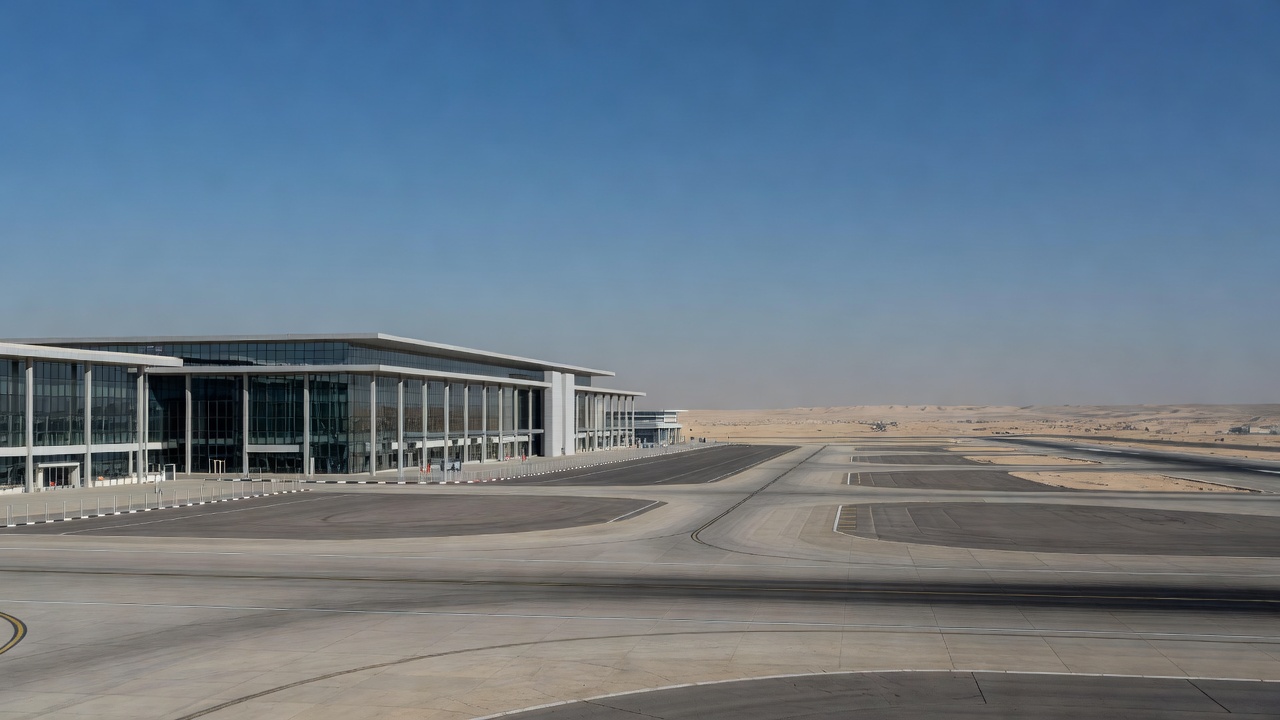

Saudi civil aviation officials said operations at King Khalid International Airport in Riyadh stayed suspended a day after the attack that produced the kingdom’s highest civilian death toll in more than a decade. The Saudi civil aviation authority put the fatalities at 12, including four Saudis, two Bangladeshis and one national each from the United States, Jordan, Palestine, Syria, Sudan and Egypt. A diplomatic source told Reuters the strike was carried out by a missile fired by Yemen’s Iran-backed Houthis, who have intensified attacks on Saudi targets since a truce unravelled in July.
The authority reported that more than 300 people were wounded in Saturday’s blast, with some victims in critical condition, prompting a rare mass call-up of doctors across Riyadh hospitals. Reuters reported that the strike marked the third Houthi attack on the airport in a week after assaults on Wednesday and Thursday that killed at least four people and damaged a plane. An eyewitness cited by Reuters described hearing an explosion inside the terminal followed by multiple injured people on the ground as more than a dozen ambulances rushed to the scene.
The head of the Houthi media office posted on X that the group had shut down Riyadh international airport, according to a Reuters dispatch. Houthis have warned international airlines to avoid Saudi airspace, which they declared a zone of military operations except over the holy cities of Mecca and Medina. Saudi authorities have rarely admitted strikes on civilian targets, and the civil aviation authority did not name the Houthis in its statements about the latest incident.
Flight tracking data from Flightradar24 showed all arrivals and departures at the airport serving a city of eight million people were diverted or cancelled, with many routed to Jeddah. Reuters reported that airlines including Etihad Airways, Qatar Airways and Kuwait Airways cancelled flights to and from Riyadh, with some suspensions extending into the following week. The European Union Aviation Safety Agency and various aviation risk analysts advised carriers against flying through Saudi airspace in the wake of the attack.
Saudi markets opened lower on the Sunday after the strike, with the main index falling as much as two percent to a seven-month low, according to reports from regional financial observers. Embassies from the United States, Britain, Germany, Canada and Australia issued warnings to their citizens to avoid the airport and limit travel to essential movements only. The attack has added pressure on regional supply chains ahead of major energy summits planned in the kingdom later this year.
This incident represents the deadliest attack on Saudi soil since a 2015 suicide bombing in Abha that killed 15 people, a figure confirmed across multiple international wire services including Reuters and AFP. The Saudi-led coalition described the strike as a full-fledged war crime in statements carried by regional outlets. Officials indicated assessments of damage continued, with no immediate timeline for reopening the facility beyond Monday at the earliest based on available flight data.