
 ع
ع

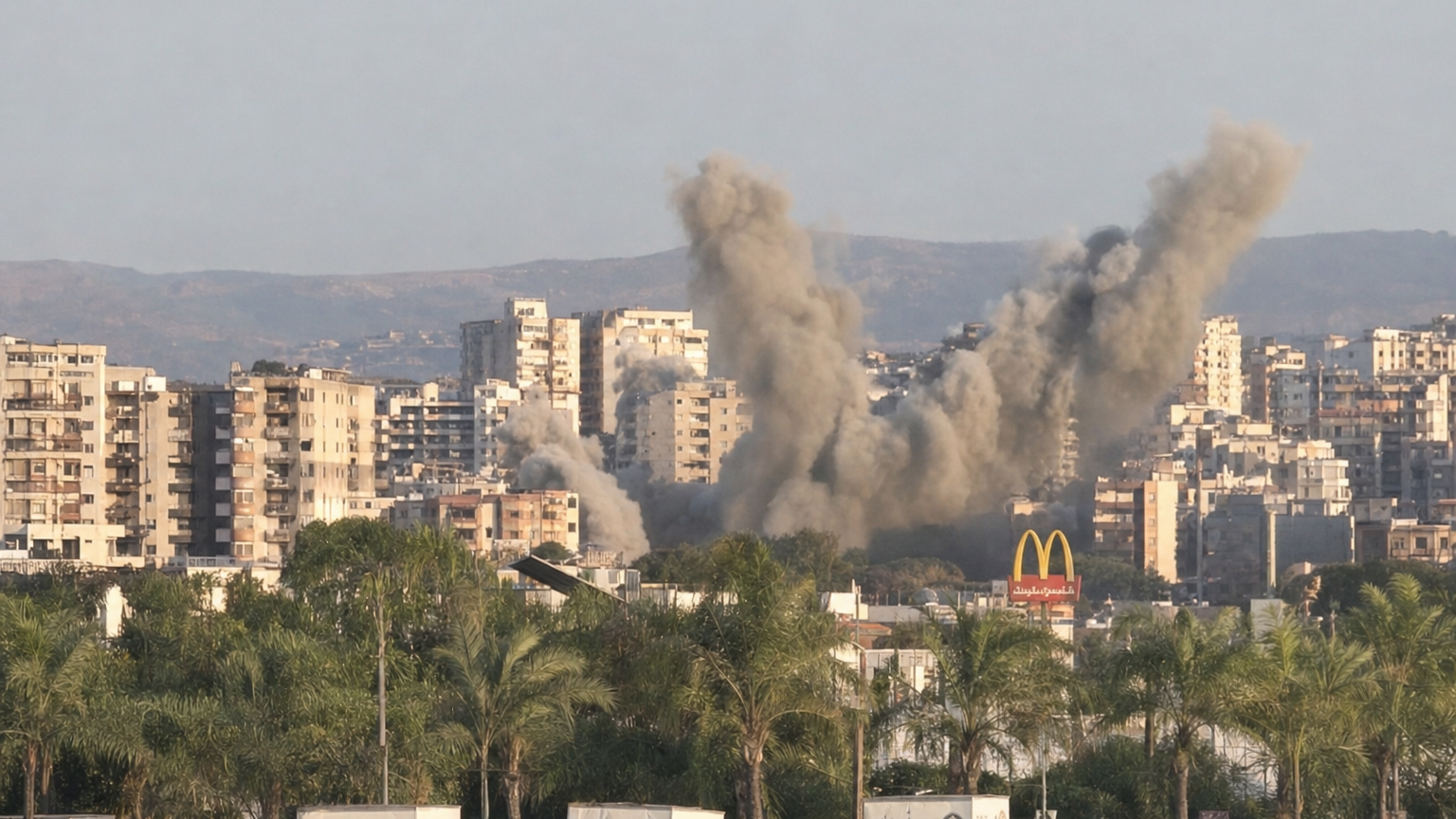

The Israeli military said it launched airstrikes against Hezbollah sites in Lebanon on September 23, striking about 1,600 targets including launchers, command posts and other infrastructure across the south, east and north of the country. Lebanon’s health ministry reported at least 492 people killed in the attacks, among them 35 children, with 1,645 others wounded according to a Reuters dispatch. One Lebanese official described the death toll as the highest from such violence since the 1975-1990 civil war. Tens of thousands of residents fled southern areas for safer ground further north as the bombardment continued.
The operation marked a sharp intensification of Israel’s campaign against Hezbollah, which has fired rockets into northern Israel in support of Hamas since the Gaza war began in October 2023, Reuters reported. A BBC News overview placed the overall death toll in Lebanon from the conflict at more than 3,800 with one million people displaced from their homes. Israel’s military stated the strikes aimed to degrade Hezbollah’s ability to threaten communities along the border.
Lebanese authorities documented the casualties through the health ministry, which attributed most of the fatalities to strikes in southern villages and the Bekaa Valley. An Israeli strike that evening on Beirut’s southern suburbs targeted a senior Hezbollah commander, though the group announced he had survived and relocated to a secure position. Hamas separately confirmed that one of its field commanders in southern Lebanon died in an airstrike that day.
AP News reported that the air campaign preceded a ground offensive Israel launched a week later, with troops conducting limited raids into border villages to dismantle what it called terrorist infrastructure. The sequence reflected Israel’s shift in focus from its southern border with Gaza to the northern frontier with Lebanon after nearly a year of exchanges. Figures from the Lebanese health ministry continued to track rising casualties in subsequent days as strikes persisted.
The United Nations has monitored the displacement, with many families moving north of the Litani River to escape the bombardment, according to assessments incorporated in Reuters coverage. Israel’s military warned residents in specific southern towns to evacuate ahead of further operations. International calls for restraint from the United States and United Kingdom accompanied the escalation but did not immediately alter the pace of strikes.
Lebanon’s prime minister appealed to the United Nations to address what he termed a technological war, in comments relayed by Reuters. Hezbollah vowed to maintain its rocket fire into Israel despite the losses to its command structure. The cumulative impact has strained Lebanon’s health system and relief efforts, with the World Food Programme initiating emergency food distributions for those affected.