
 ع
ع

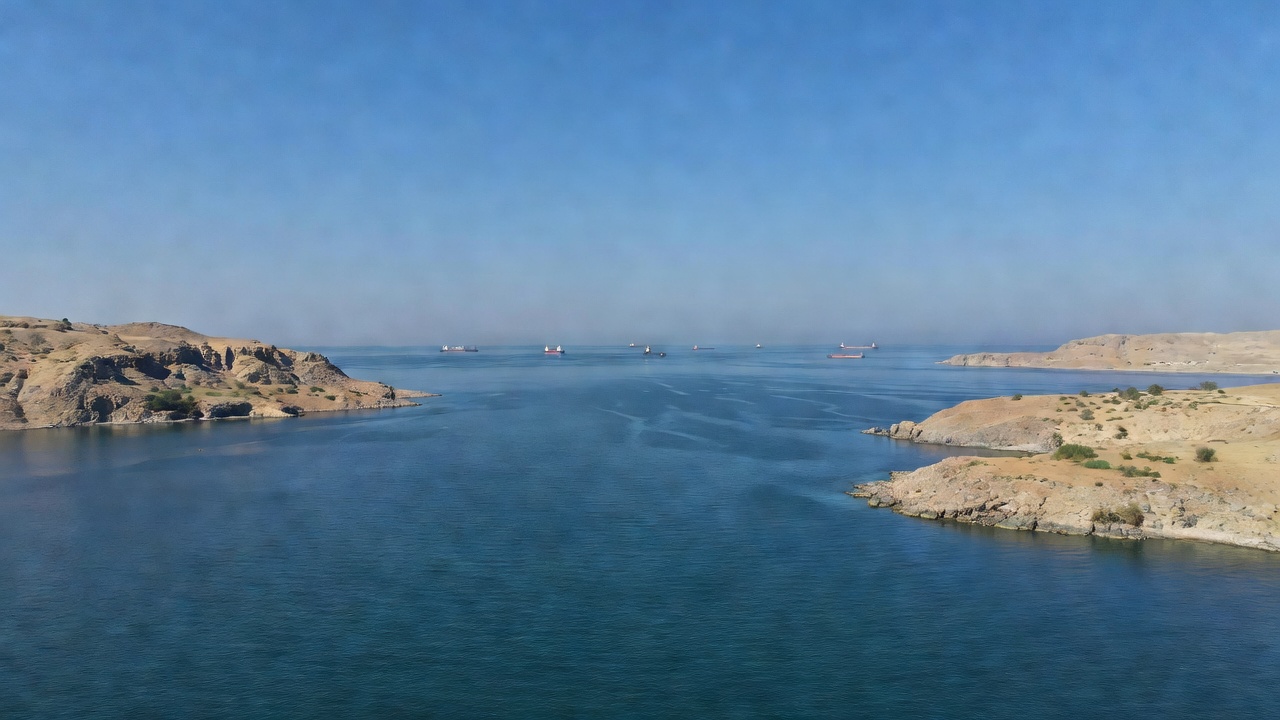

Iran’s deputy foreign minister stated on June 26, 2026, that safe passage through the Strait of Hormuz cannot be guaranteed without coordination with Tehran. The remark by Kazem Gharibabadi, posted on X, followed Oman’s designation of temporary routes with the International Maritime Organization. The statement warned that failure to coordinate could result in suspension of any designated route, according to Gulf Times.
The Gulf Times report detailed Gharibabadi’s position that without Iranian involvement the safety of navigation in the waterway linking the Persian Gulf to the Arabian Sea could not be assured. He emphasized the need for direct engagement with Tehran on any routing decisions. The deputy minister’s comments reflect Iran’s assertion of influence over the strait, a position it has maintained through periods of regional tension.
Oman announced the temporary routes on June 24 in coordination with the International Maritime Organization, according to Reuters. The paths lie north and south of the existing shipping lane to support safe vessel departures from the region. Oman’s statement specified that no tolls would be imposed on transiting ships in line with recent talks between the United States and Iran. The IMO-developed plan groups vessels and issues individual instructions on departure times and selected routes.
U.S. Energy Information Administration figures show that oil flows through the Strait of Hormuz averaged 20.9 million barrels per day in the first half of 2025. The EIA assessment placed that volume at roughly 20 percent of global petroleum liquids consumption and one-quarter of total global maritime traded oil. Between 2022 and the first half of 2025 volumes of crude oil and condensate declined by 1.5 million barrels per day while petroleum product cargoes rose by 0.5 million barrels per day.
The Iranian statement arrives as maritime traffic resumes following sharp disruptions earlier in 2026. An Associated Press report from June 26 noted that a United Nations agency paused ship evacuations through the strait after a vessel was hit by a projectile off the Omani coast. Several tankers had used the Oman-backed route in the days prior to the incident.
A Congressional Research Service document published in March 2026 recorded that daily ship transits through the strait fell sharply after the onset of regional conflict in February. The service reported an estimated 1,000 vessels held in patterns inside and outside the strait by early April while Iran asserted control over passages. Attacks on vessels in the area numbered 23 between March 1 and April 29 according to U.K. Maritime Trade Operations data cited in the report.
Reuters separately reported that Qatar’s prime minister visited Oman on June 24 to discuss initiating broader negotiations involving Iran, Iraq and Gulf Arab states on Strait of Hormuz arrangements. The talks aimed to address security and transit issues in the waterway. Omani authorities described the temporary corridors as available to all vessels provided they coordinate with the IMO.