
 ع
ع


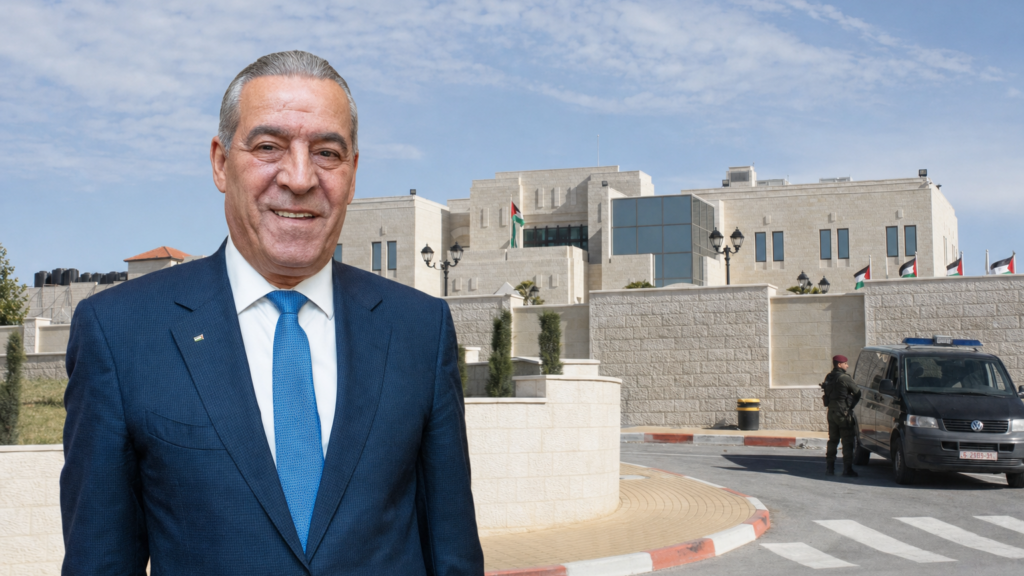
The Palestinian Presidency on October 9 instructed the Ministry of Foreign Affairs and Expatriates along with its mission to the United Nations to seek an immediate emergency meeting of the UN Security Council and practical steps to deliver international protection for Palestinians, according to the official Palestinian news agency WAFA. Presidential spokesperson Nabil Abu Rudeineh stated that the serious and accelerating escalation of settler attacks combined with Israeli military incursions, killings, destruction and forced displacement had pushed the situation toward further deterioration and instability. He added that these violations targeted Palestinian cities, villages and refugee camps, endangering lives, security and property while requiring urgent international intervention with tangible measures to halt them.
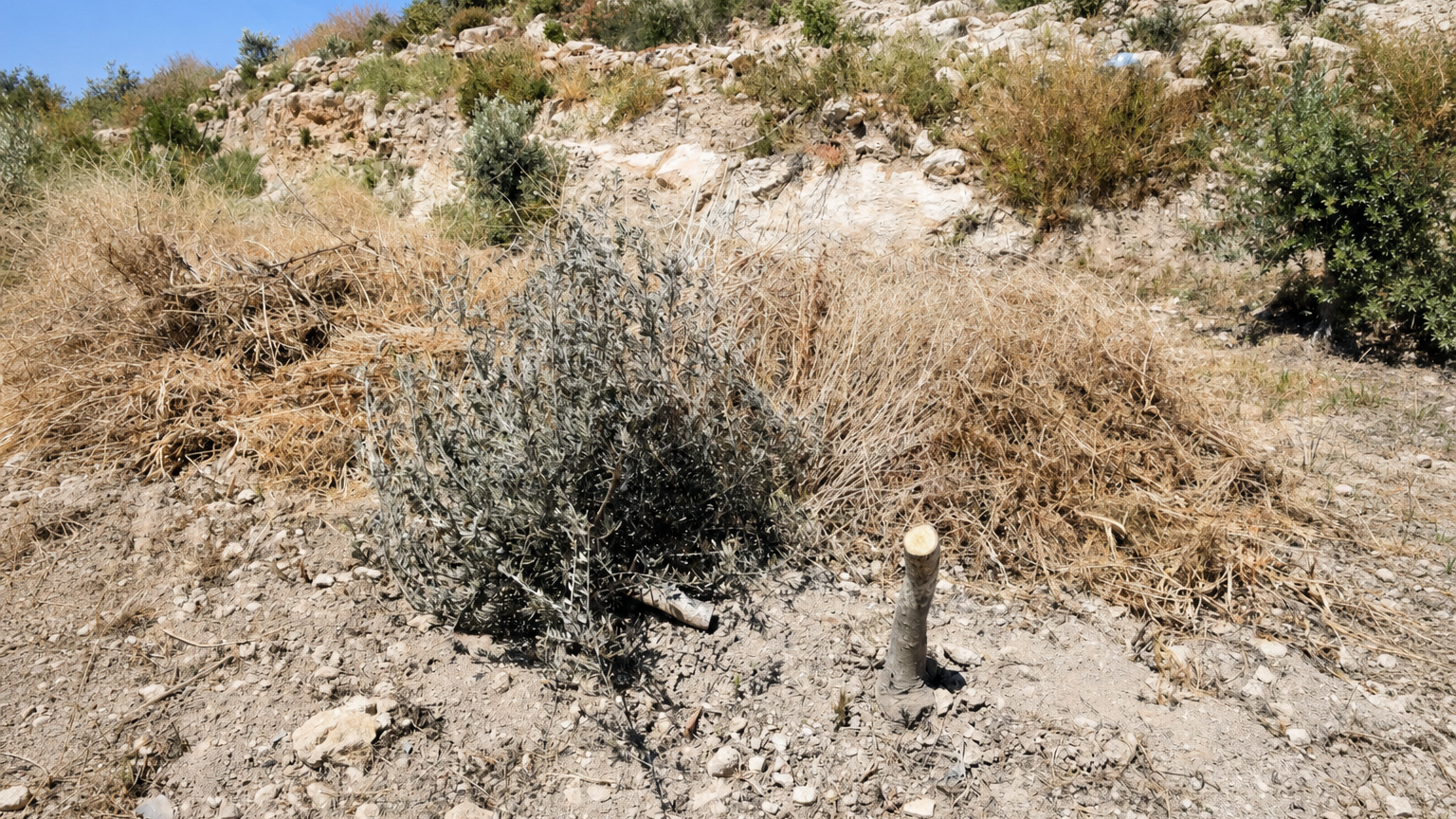
Abu Rudeineh said 19 settler attacks had been recorded since Friday morning, most of them aimed at farmers and olive pickers during the ongoing harvest season. The incidents involved burning trees and vehicles, uprooting dozens of olive trees, stealing livestock and crops, physical assaults on citizens and blocking access to their land. “The Security Council must bear its legal and political responsibilities and move urgently to ensure the provision of international protection for our Palestinian people, stop settler attacks and occupation forces operations, and take deterrent measures to prevent the continuation of these violations,” Abu Rudeineh said.
The presidency described the settler violence as coinciding with repeated military raids that have included the destruction of homes, infrastructure and the displacement of residents from areas such as Jenin, Tulkarm and Tubas. A statement from the presidency indicated that this pattern reflects the gravity of the current phase facing the Palestinian people and demands immediate global action to end the persistent breaches throughout the occupied territory. Abu Rudeineh warned that continued international silence would only embolden the occupation authorities to persist in violations without accountability.
United Nations Office for the Coordination of Humanitarian Affairs data show more than 1,600 settler attacks resulting in Palestinian casualties or property damage were documented between January and August 2026 across 275 communities.[[1]](https://www.unocha.org/publications/report/occupied-palestinian-territory/opt-humanitarian-situation-report-11-september-2026) These incidents averaged 6.7 attacks per day, an increase from five per day in 2025 and 1.5 per day in 2021. The attacks have grown in both frequency and geographic spread, affecting nearly as many communities in the first eight months of 2026 as during all of 2025.
OCHA figures further place the number of Palestinians displaced in the West Bank, including East Jerusalem, at nearly 4,000 by the end of August 2026, driven by demolitions, evictions, settler violence and access restrictions.[[2]](https://daysofpalestine.ps/ocha-nearly-4000-palestinians-displaced-in-west-bank-in-2026/) This equates to an average of more than 16 displacements per day, nearly double the rate between 2023 and 2025. Since January 2023 more than 6,400 Palestinians have been displaced in comparable circumstances, with 48 communities fully displaced including 12 during 2026 alone.
The Palestinian leadership has reiterated its call for an independent sovereign state on the June 4, 1967 borders with East Jerusalem as its capital, framing the current violence as part of a broader policy that jeopardises regional stability. Abu Rudeineh urged influential international powers to end double standards and take concrete action to stop the shedding of Palestinian blood. The presidency emphasised that only decisive measures by the Security Council and the wider international community can prevent further escalation and address the root causes of the instability.