
 ع
ع

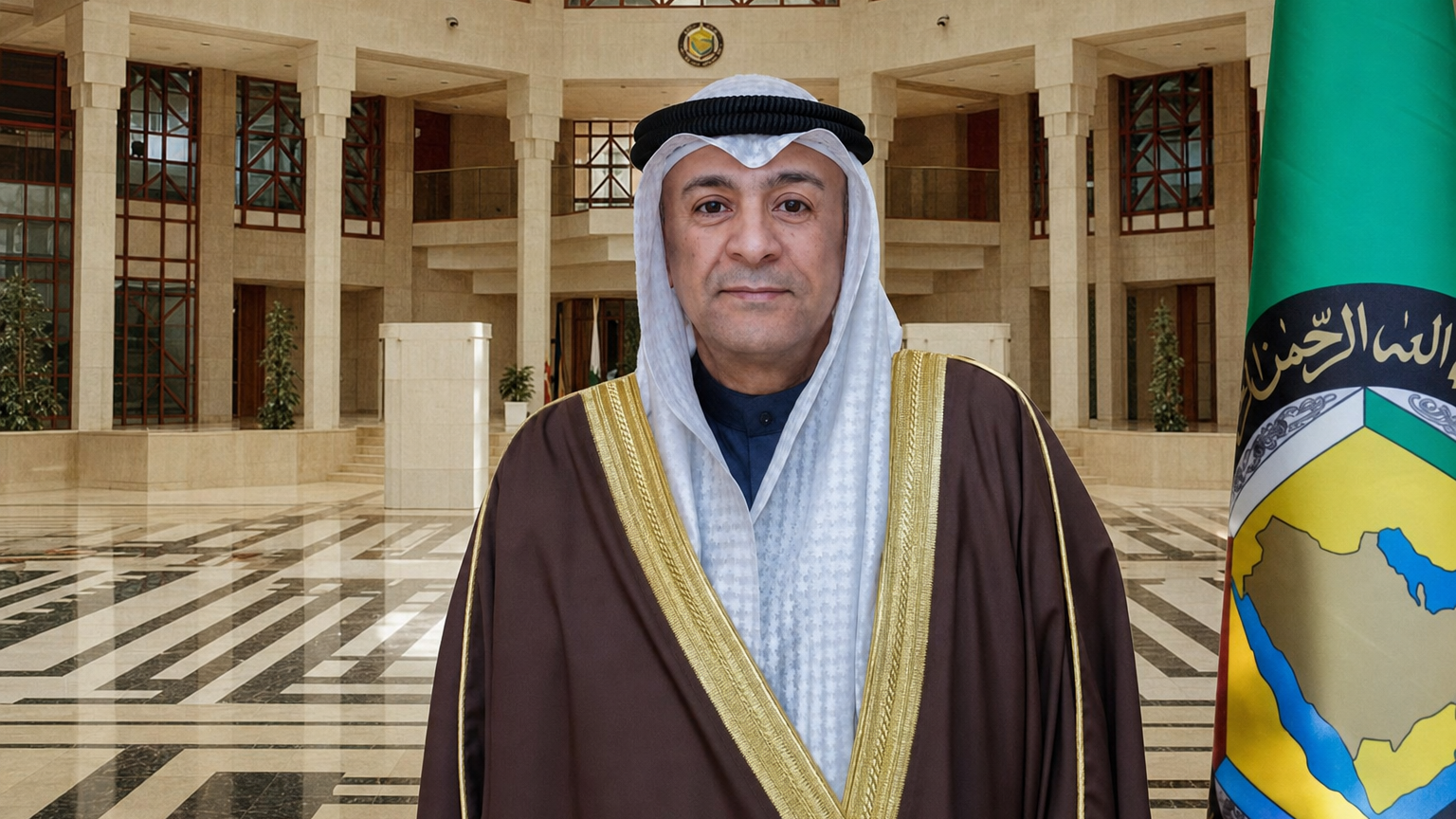

GCC Secretary-General Jasem Mohamed Al-Budaiwi has asserted that the six member states have drawn closer together in response to recent regional challenges. Speaking on Arab News’ Arab Views programme in Manama, Bahrain, Al-Budaiwi addressed questions over potential differences among Gulf capitals on responding to Iran by highlighting practical cooperation across security, logistics and diplomatic efforts. The secretary-general noted that the attacks had demonstrated the resilience of the Gulf states while showing how the international community stood with them, including through a unanimous United Nations Security Council resolution that drew an unprecedented number of sponsors, according to the Arab News interview.
The Arab News interview quoted Al-Budaiwi as saying, “What we have been going through since Feb. 28 with the barbaric attacks by Iran made us even more unified. We’re even stronger.” He detailed the substantial assistance from the United Arab Emirates, Saudi Arabia and Oman, which opened ports, deregulated procedures for truck movements, and provided access to airports and storage facilities. “The amount of help and assistance they got from the UAE, Saudi Arabia and the Sultanate of Oman is amazing. The ports were open for us. They deregulated for us. They accepted all the movements from our trucks. They opened the airports, they opened the storage. This is the greatest co-operation,” Al-Budaiwi said in the interview.
A Lead Inspector General report to the US Congress on Operation Epic Fury detailed how Iranian attacks beginning after February 28 involved thousands of missiles and drones targeting facilities across Gulf countries, even though GCC states were not party to the initial conflict. By June, the bloc had held more than 150 extraordinary ministerial and technical meetings to manage the repercussions, GCC statements show. Al-Budaiwi emphasised that the GCC had cooperated among its six members in every single aspect during the crisis.
On defence matters, Al-Budaiwi clarified the governance of the Peninsula Shield Force during the Arab News interview, stating its activation depends on a request from a member state. He reiterated that military cooperation among GCC members had already reached its highest possible level prior to the latest events. The comments come against a backdrop of over 7,000 ballistic missiles and drones intercepted by GCC forces, according to earlier statements from the secretary-general.
Al-Budaiwi expressed personal pride in the region’s response, telling Arab News, “I am more proud to be from the Gulf now than ever because of what I have seen. I am a witness to what has happened and still happening as we speak.” The GCC, established in 1981 to foster coordination among Bahrain, Kuwait, Oman, Qatar, Saudi Arabia and the United Arab Emirates, has since built a customs union and common market that has driven growth in intra-regional trade. Data from Saudi Arabia’s General Authority for Statistics placed the Kingdom’s non-oil trade surplus with other GCC states at SAR 9.28 billion in August, reflecting a 44 percent increase in trade volume compared with the previous year.
The secretary-general’s assessment aligns with ongoing projects to enhance logistics, water interconnections, strategic reserves and electricity links, shaped by lessons from the conflict, a separate GCC briefing from September showed. Such measures include alternative routes for energy pipelines to bolster resilience. Al-Budaiwi has previously noted that these initiatives position the bloc to address both immediate security needs and longer-term economic competitiveness.