
 ع
ع

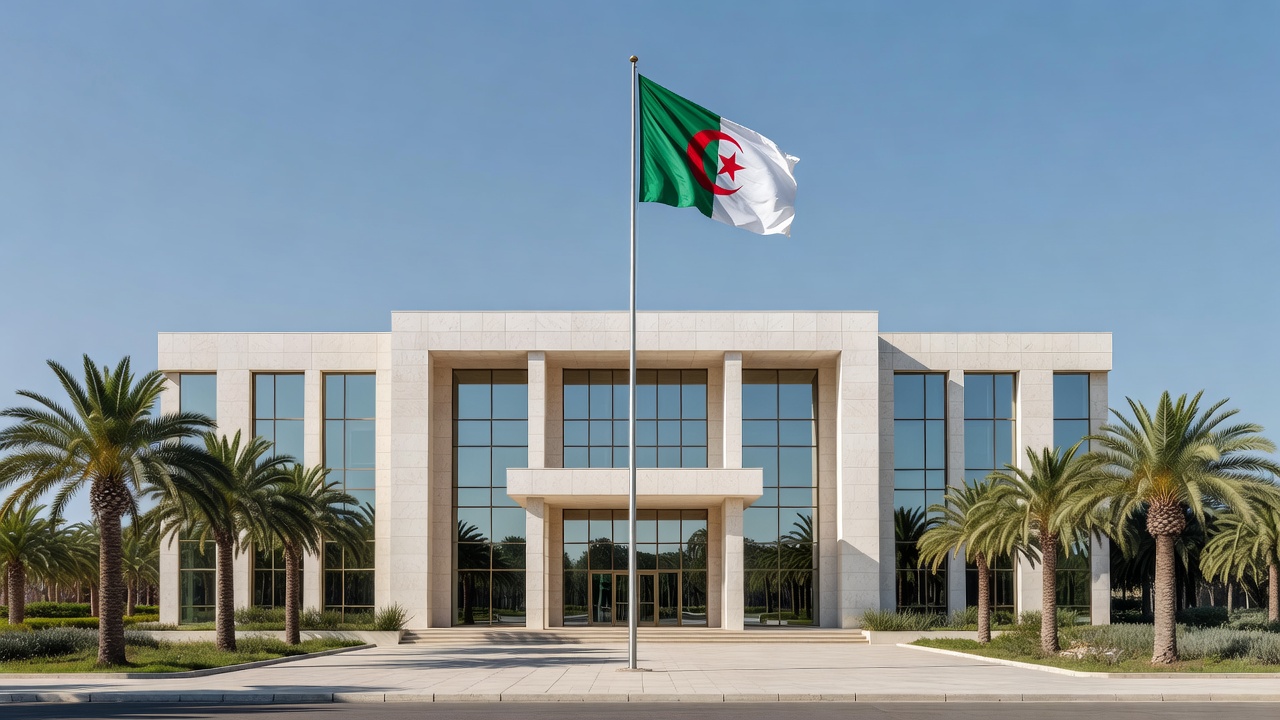

The Algerian Ministry of Foreign Affairs announced on Thursday that the country had severed diplomatic relations with the United Arab Emirates after what it termed a series of provocative or hostile actions by Abu Dhabi. According to a statement from the ministry reported by the state-run Algérie Presse Service, Algeria had shown great restraint and a high sense of responsibility while repeatedly warning the UAE of the dire consequences of its regrettable and unjustified conduct. The ministry said the UAE had persisted in these actions despite the alerts, reaching a point where they could no longer be considered acceptable or tolerable in relations between two sovereign states. It added that the decision came after Algeria had exhausted all means available to maintain bilateral relations.
The foreign ministry statement indicated that the UAE ambassador was summoned to its headquarters on Thursday and formally notified of the severance, with a 48-hour deadline given to comply. Algérie Presse Service reported that the notification followed the ministry’s assessment that continued engagement had become untenable. Reuters noted that the UAE foreign ministry offered no immediate comment on the development when contacted for response.
Tensions between the two countries had escalated in recent months, including Algeria’s initiation of procedures in February to terminate a 2013 air services agreement with the UAE that had been ratified in 2014, according to an earlier statement from the same ministry carried by Algérie Presse Service. The latest move marks a significant rupture in relations that had already been strained for several years. Algerian media had frequently criticized the UAE during that period, with reports from multiple outlets highlighting accusations of regional interference.
Algeria and the UAE have taken opposing positions on several key regional issues, a Reuters analysis found. These include the Western Sahara dispute, where the UAE maintains a consulate in Moroccan-controlled territory while Algeria supports the Polisario Front’s push for independence, as detailed in an Al Jazeera report on the severance. The countries also differ on normalization with Israel, which the UAE pursued under the 2020 Abraham Accords even as Algeria has maintained firm opposition. Their interests have further intersected and clashed in the Sahel region amid a series of military coups that affected Algeria’s southern neighbors.
President Abdelmadjid Tebboune has publicly accused the UAE on multiple occasions of meddling in Algeria’s internal affairs and seeking to destabilize countries across the region. In a televised interview in July, Tebboune referred to the UAE as a micro-state with a very negative impact, according to accounts cited by Al Jazeera. The president had suggested that the diplomatic break might have occurred earlier if not for Algeria’s efforts to avoid deepening divisions in the Arab world.
The decision underscores a broader pattern of friction that has built over time between Algiers and Abu Dhabi. Reports from France 24 traced the latest phase of deterioration to accusations of UAE involvement in crises in Mali, Libya and Sudan, claims Algerian officials had raised as early as 2024. An investigation published by the Financial Times in August added weight to some of those concerns by detailing alleged networks operating in Darfur, though the ministry statement on Thursday stopped short of specifying any single trigger for the break.