
 ع
ع

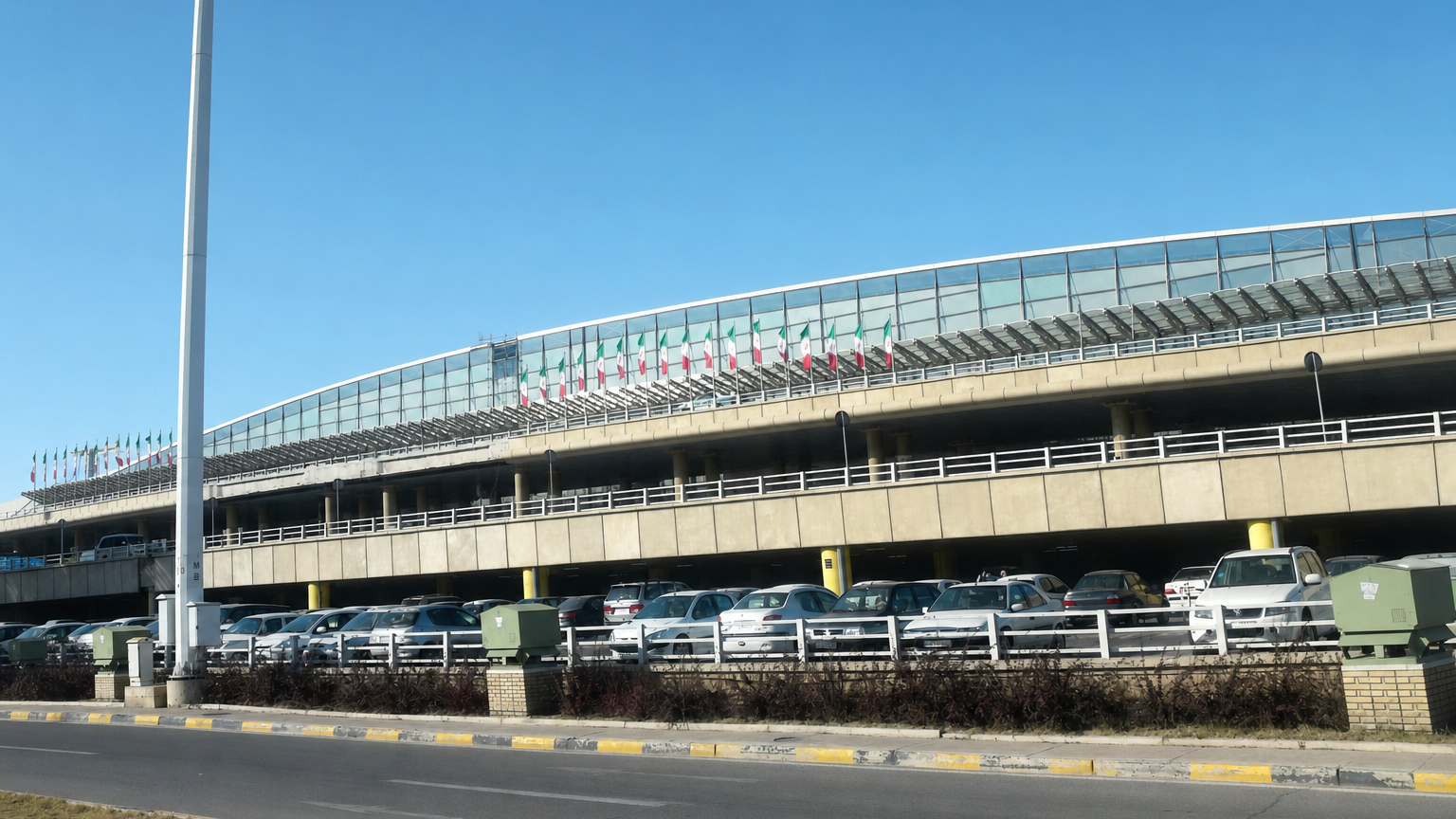

AFP reported that the 42 percent decline at Imam Khomeini International Airport followed the implementation of US measures targeting Iran’s aviation sector, which had given foreign companies a wind-down period ending on that date. The data from FlightRadar24 showed complete halts on routes to Georgia, Oman and Azerbaijan, all of which had maintained regular services before the restrictions. Services to Dubai stopped after September 23, with the United Arab Emirates announcing it would enforce the ban, while flights to and from Baghdad have not operated since September 25. Iraqi authorities indicated that limited connections to the holy city of Najaf could resume in October after US permission was granted for humanitarian purposes.
The sanctions, announced by US Treasury Secretary Scott Bessent as part of efforts to increase economic pressure following the February 2026 conflict, have compounded existing challenges for Iranian carriers. Aviation analytics firm Cirium reported that Iran’s international seat capacity had already fallen 49 percent in August 2026 compared with the same month a year earlier, even before the latest measures. This earlier reduction stemmed largely from the withdrawal of foreign airlines such as Flydubai and Turkish Airlines, which together accounted for significant weekly capacity. Iranian officials have filed complaints with the United Nations and the International Court of Justice, describing the US actions as illegal.
Routes to China have continued without interruption, holding steady at an average of eight flights daily in both directions, the FlightRadar24 data showed. The connection between Tehran and Turkiye, the busiest international route from the airport, has seen only a 19 percent reduction, according to the same tracking figures. Iranian carriers including Mahan Air and Iran Air maintained several flights to Istanbul and other Turkish cities even after the ban took hold, although some services were cancelled. A travel agent contacted by AFP noted that tickets remained available for certain destinations into October despite the uncertainty.
Al Jazeera reported that the US sanctions designated 27 Iranian airlines on September 8, expanding earlier restrictions and threatening secondary penalties against any foreign entities providing support such as refuelling or ground handling. Several neighbouring countries including Azerbaijan and Georgia confirmed they had suspended acceptance of Iranian flights in response. Iran has warned of reciprocal measures, with a senior national security official stating that airports in cooperating nations could face consequences if they fully align with the US position.
The restrictions have pushed some travellers toward overland routes through Turkiye and Armenia, according to regional analysts cited in multiple reports. Prior to the latest sanctions, only Iranian carriers had operated international services out of the country after its airspace reopened following the earlier strikes. Pre-ban weekly schedules in September had included connections to 18 countries, a network now significantly narrowed even as some key links to Asia persist. FlightRadar24 data reviewed through the end of September confirmed the overall reduction while highlighting the resilience of specific corridors.
Bessent told media outlets that the measures were intended to isolate Iran’s aviation network globally, claiming that 80 to 90 percent of external flights had been affected. Iranian airport authorities offered a higher estimate of ongoing operations, but independent tracking supported the sharper decline reported by AFP. The cumulative impact has raised ticket prices on remaining routes by as much as 100 percent in some cases, according to aviation experts monitoring the sector since the conflict began.