
 ع
ع

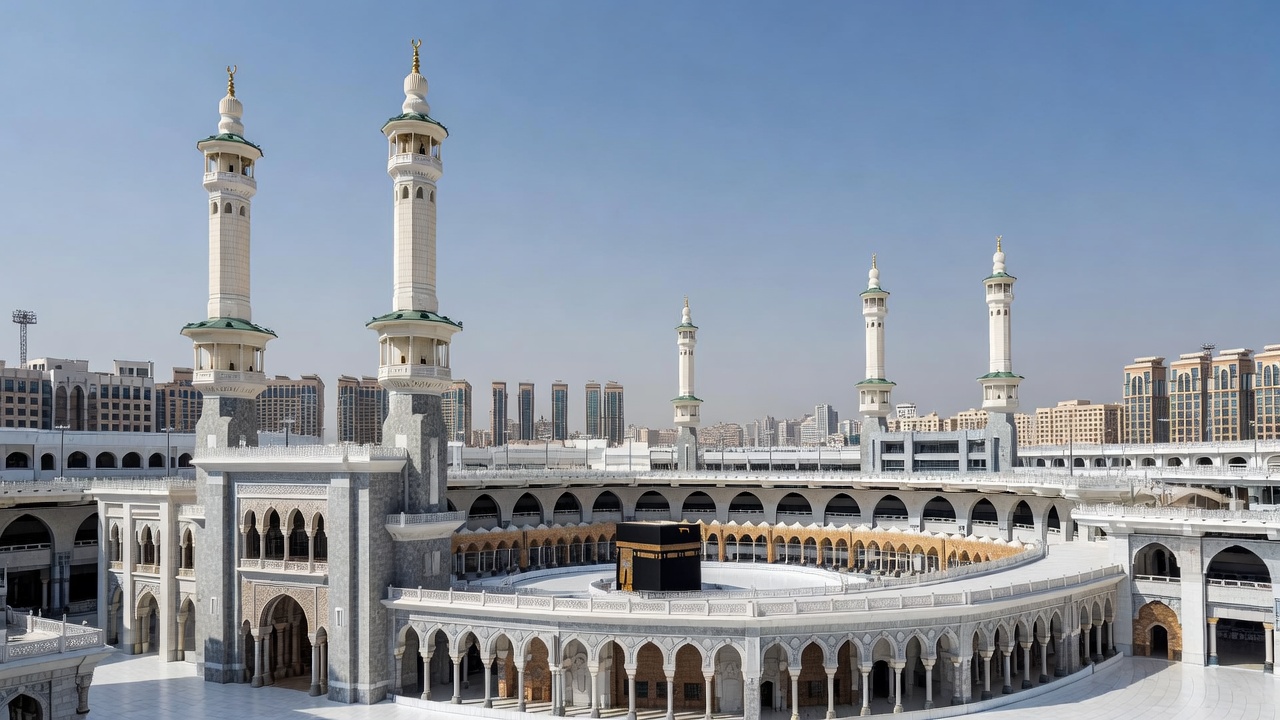

The Joint Forces Command of the Saudi-led coalition reported that Royal Saudi Air Defense Forces brought down the hostile drone launched by the Houthis on Tuesday evening before it could violate the airspace of Mecca, according to a statement issued by coalition spokesman Turki al-Maliki. Al-Maliki described the incident as a deliberate provocation aimed at worshippers and civilians while stressing that the security of the Two Holy Mosques and pilgrims would not be compromised. The coalition vowed it would not hesitate to take necessary and deterrent measures against what it termed the terrorist Houthi militia in response to any further threats.
Turki al-Maliki shared the coalition statement on X where it framed the episode as the second Houthi attempt to target Mecca, following an alleged ballistic missile launch in July 2017 that was similarly intercepted. Saudi authorities had issued brief security alerts across Mecca, Taif and Jeddah on Tuesday, marking the first such warning for the holy city since that 2017 incident, a coalition assessment found. The alerts were lifted shortly afterward as the drone was neutralized south of the city.
A senior Houthi official rejected the Saudi accusations within hours, with Hazem al-Assad writing on X that the claims about targeting Mecca amounted to a worn-out lie that has been used before and no longer fools anyone. The Houthi movement, through a military source quoted by its SABA news agency, categorically denied posing any threat to Mecca or other Islamic holy sites and condemned what it called misinformation spread by the coalition. Al-Assad’s remarks echoed earlier Houthi statements that the group does not target sacred locations.
The Organisation of Islamic Cooperation, a bloc representing 57 Muslim nations, condemned the reported attack as heinous and expressed outrage over the alleged threat to Mecca, according to an OIC statement. The condemnation came amid broader Muslim world reactions to the incident, which has heightened sensitivities around the holiest sites in Islam that draw millions of pilgrims annually for the Hajj. Mecca’s status as the focal point of one of Islam’s five pillars has amplified the diplomatic fallout from the exchange.
The episode occurs against the backdrop of renewed escalation in Yemen where the Iran-aligned Houthis have seized control of key Red Sea coastal areas overlooking the Bab al-Mandab strait, threatening shipping routes and Saudi oil exports rerouted from the Strait of Hormuz, regional security assessments show. The Saudi-led intervention in the Yemeni conflict began in 2015 to support the internationally recognised government against the Houthi takeover of Sanaa, a move that has defined the war for more than a decade. Last week’s barrage of Houthi ballistic missiles and drones wounded 13 people in southern Saudi Arabia and prompted the latest wave of alerts, according to coalition figures.
Turki al-Maliki’s warning underscores the coalition’s position that any incursion near the Two Holy Mosques crosses an inviolable threshold, a stance consistent with Saudi policy since the 2017 incident. The Houthis have meanwhile declared a maritime blockade on Saudi vessels and stepped up strikes as fighting intensifies across Yemen’s front lines. Coalition forces continue to monitor Houthi launch sites in northern Yemen in response to the persistent threat.