
 ع
ع

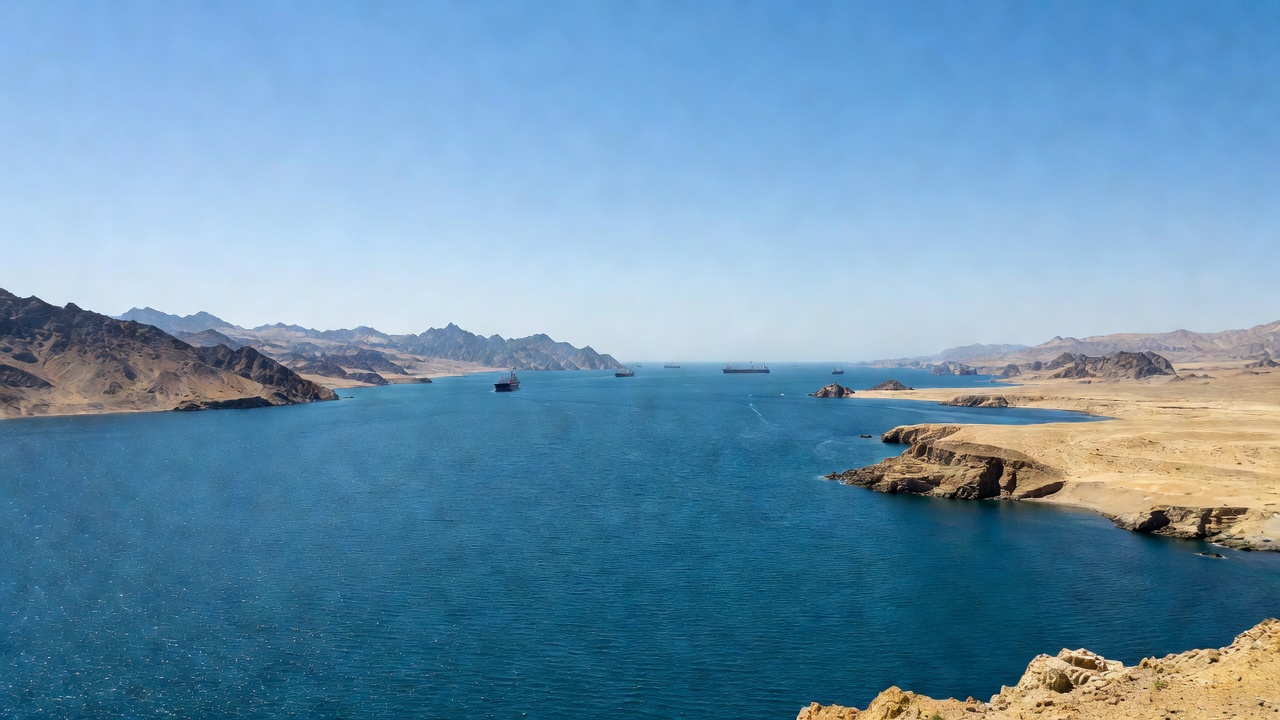

Iran’s foreign ministry announced the forthcoming talks in a statement that framed the gathering as an opportunity to build regional consensus on one of the world’s most critical maritime chokepoints. The discussions will review outcomes from earlier bilateral negotiations between Tehran and Muscat on establishing secure shipping lanes through the strait, which both nations border. According to the ministry, the session aims to foster greater understanding among participants and contribute to collective security arrangements across the area. Iraq is expected to join the littoral states in what marks an expansion from prior Iran-Oman exchanges.
Oman and Iran launched a joint Hormuz committee during a June meeting in Muscat that produced what Iranian Deputy Foreign Minister Kazem Gharibabadi described as a common understanding on waterway administration. Committees were formed then to begin technical work on shipping routes and potential services, with expert-level talks scheduled to start within days of that session. A joint statement at the time underscored the sovereign rights of the two coastal states while committing to continued dialogue under international law. The September meeting will broaden that framework to include the wider group of Gulf participants.
The Strait of Hormuz carries roughly one-fifth of global oil and liquefied natural gas supplies, according to Reuters assessments of pre-war traffic patterns. Disruption to those flows during the Middle East conflict that began on February 28 drove oil prices above $100 a barrel at times and forced shipping companies to reroute or seek Iranian permissions. Iran imposed a blockade on vessels linked to its adversaries, while the United States conducted strikes along the Iranian coast in response. Safe passage returned only after the preliminary agreement that ended major hostilities.
Tehran’s requirement that vessels obtain approval before transiting the strait remains in effect, even as diplomats work toward longer-term arrangements. Gulf participants are expected to press for unrestricted navigation without new fees, while Iranian officials have signaled openness to charges for environmental, security and navigational services once a formal mechanism is agreed. Oman has played a mediating role throughout, hosting both the June bilateral sessions and the upcoming multilateral gathering. The talks are separate from parallel reconciliation efforts planned in other regional capitals.
Iran’s foreign ministry said the Monday session would help translate earlier understandings into practical measures acceptable to all littoral states. Technical experts from the participating countries are likely to focus on route definitions, service standards and oversight structures that respect coastal sovereignty. The ministry added that the process builds on weeks of preparatory contacts between Oman and Iran aimed at preventing future disruptions. No agenda details beyond the navigation focus have been released publicly.
Regional diplomats have noted that successful outcomes could help stabilise energy markets still recovering from the conflict period. The involvement of Iraq alongside the Gulf Cooperation Council members adds a layer of inclusivity that officials hope will reduce tensions over the waterway’s future governance. Previous rounds, including visits by senior Iranian parliamentary and foreign ministry figures to Muscat in June, laid groundwork by affirming shared interests in safe transit. Further meetings are anticipated if the initial multilateral session yields progress on core issues.