

 ع
ع

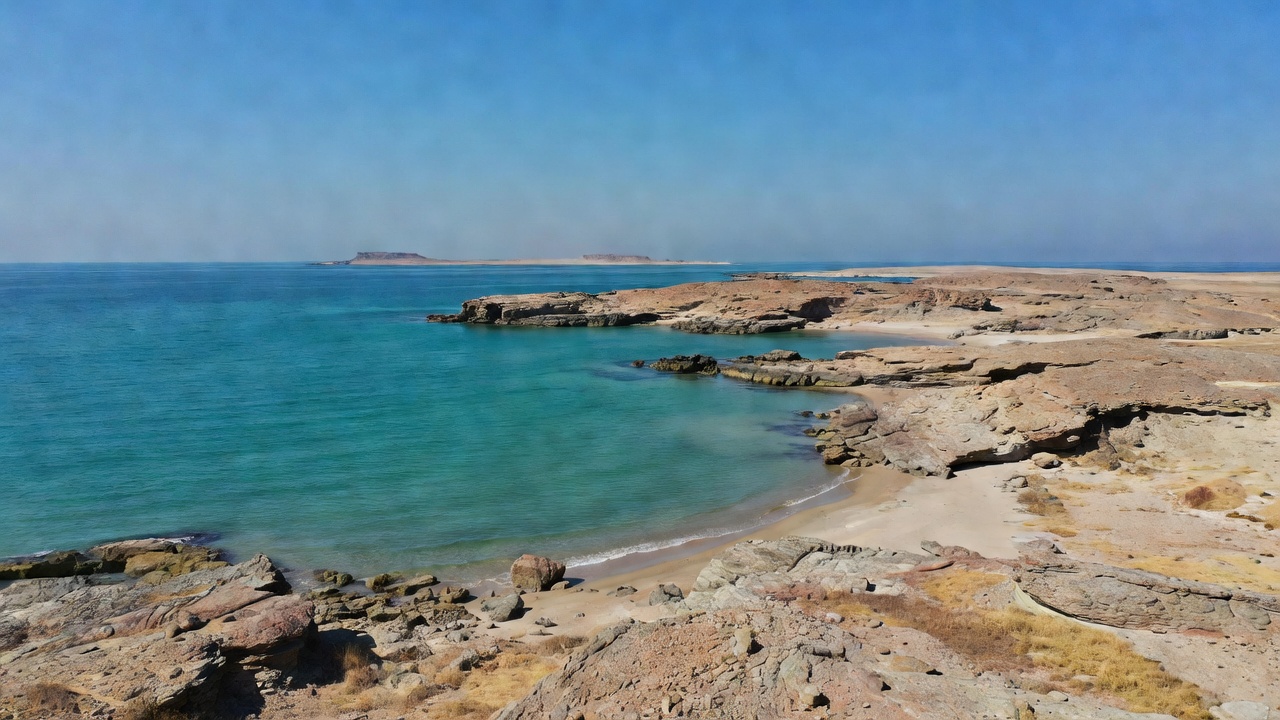

Oman’s Environment Authority confirmed on Wednesday that the oil slick had started hitting the coastline with potential impacts stretching across 40 kilometres near Ras Madraka and another 10 to 20 kilometres on Masirah Island according to a Reuters report on agency statements and satellite analysis. The authority which is monitoring the situation with technology satellite imagery and numerical models has deployed booms in an effort to contain the spread while contingency planning continues amid challenging conditions. A specialist who reviewed satellite imagery obtained by Reuters estimated the slick now covers more than 2 000 square kilometres while the authority placed the covered area at around 400 square kilometres earlier in the week.
The Caroline Bezengi tanker carrying an estimated 800 000 barrels of Russian crude ran aground on June 30 near Al-Qibliyyah after developing issues off Yemen Reuters reported citing the vessel’s history as part of the so-called shadow fleet used to evade international sanctions. The 25-year-old ship which lacks Western insurance had been navigating routes complicated by conflicts including the Russia-Ukraine war disruptions in the Suez and Houthi activity in the Red Sea before the grounding. Greenpeace analysis showed the slick expanding rapidly from around 45 square kilometres by the end of July to 150 square kilometres at the beginning of August and then to roughly 600 square kilometres by August 4 and 5.
The spill is concentrated around the Hallaniyat archipelago a marine nature reserve that supports endangered sea turtles Arabian Sea humpback whales Socotra cormorants and other species according to assessments cited in the Reuters coverage drawing on environmental group data. John Amos an oil spill specialist warned that the tanker risks breaking apart which could release between 40 million and 50 million gallons of oil a volume that would rival or exceed the 1989 Exxon Valdez spill in scale. The United Nations International Maritime Organisation has stated it is closely monitoring the leakage and that monsoon conditions have limited access delaying salvage operations for weeks.
Complications from international sanctions have hindered clean-up efforts as the incident is treated as an act of war by the International Oil Pollution Compensation Funds meaning it falls outside standard insurance coverage Reuters noted in its examination of the response barriers. The tanker belongs to a shadow fleet operating outside conventional maritime protocols which has left questions over liability and the availability of specialised equipment for stabilising the hull or transferring its cargo. Oman’s authority has emphasised the need for urgent action to prevent further drift toward sensitive coastal habitats while coordinating with international partners on potential interventions.
A separate oil slick in the Strait of Hormuz resulting from an Iranian attack on the tanker Minoan Pioneer on August 3 has reached beaches and mangroves on Iran’s Qeshm and Hengam islands according to additional details in regional monitoring reports referenced by Reuters. That incident has compounded concerns over maritime security and environmental risks across key Gulf waterways where tanker traffic remains heavy. The IMO has reiterated its role in tracking both events as part of broader efforts to address pollution from vessels operating in contested or high-risk zones.
Greenpeace has described the Omani spill as an accelerating environmental catastrophe with severe consequences for coral reefs seagrass meadows and the broader ecosystem that sustains migratory species in the area. The group based its assessment on independent satellite imagery that documented the slick’s exponential growth since late July. Authorities continue to assess long-term impacts even as immediate containment remains constrained by weather and logistical challenges stemming from the vessel’s status.