

 ع
ع

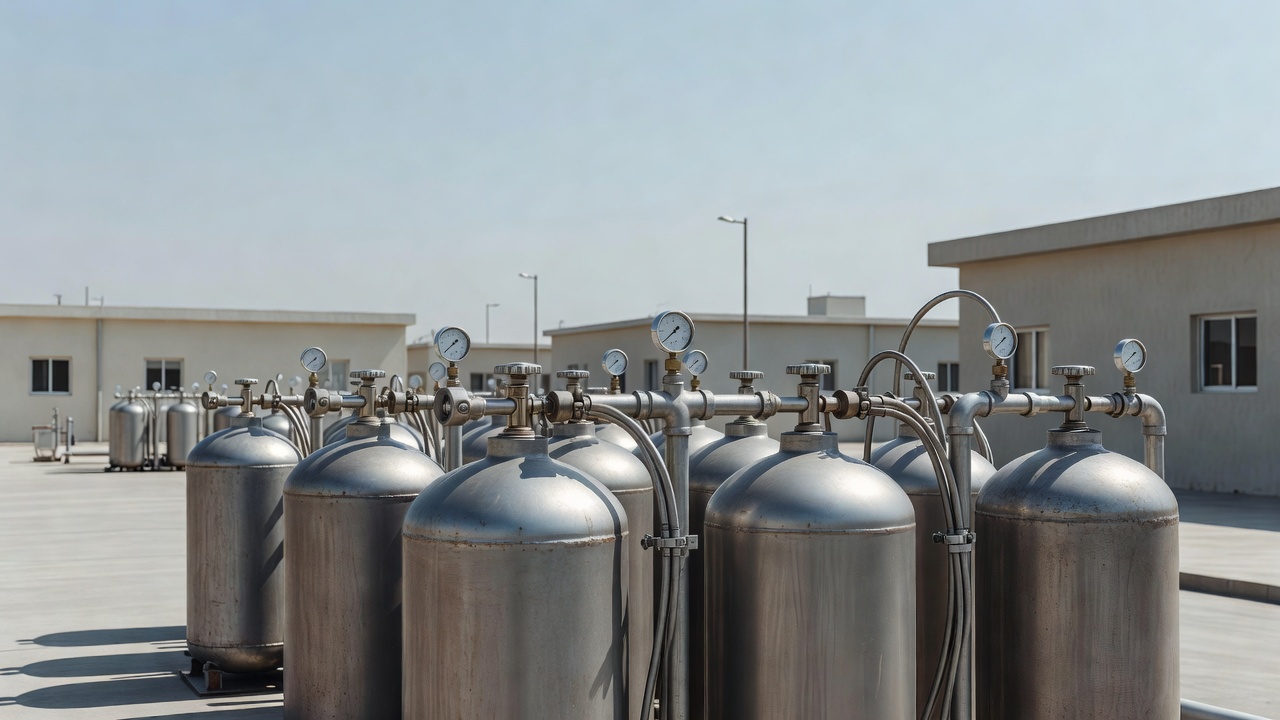

The Gaza Health Ministry has reported that at least 22 of Gaza’s 34 oxygen stations have been forced out of service, leaving the remaining 12 to operate under severe strain as they exceed their designed capacity. According to the ministry’s statement only four of 30 devices used to fill oxygen cylinders remain functional, a situation that has arisen from prolonged mechanical issues and restricted access to components. The ministry warned that the remaining stations face complete paralysis without immediate intervention, directly endangering oxygen supplies across medical facilities.[[1]](https://www.aa.com.tr/en/middle-east/22-oxygen-stations-out-of-service-in-gaza-amid-israeli-blockade-health-ministry/4028034)
A ministry assessment attributed the widespread outages to the Israeli blockade that has barred the entry of spare parts, maintenance equipment and sufficient fuel needed to sustain operations. This restriction has led to successive breakdowns that facilities have been unable to repair, the statement noted on August 15, 2026. The ministry called for border crossings to be reopened so that new oxygen generation plants and essential supplies can enter the enclave to avert total system failure.
Patients receiving treatment in Gaza hospitals as well as thousands reliant on home oxygen therapy for chronic respiratory conditions stand at immediate risk from the looming depletion. The ministry’s tally indicated that the shortages could rapidly escalate into life-threatening scenarios if the remaining infrastructure collapses under current demand. Similar alerts have punctuated the ongoing conflict, underscoring the fragility of the territory’s medical infrastructure.
In June 2024 the Gaza Health Ministry had stated that all health centers and oxygen stations across the Strip would cease operations within 48 hours absent urgent fuel deliveries, according to a Reuters report on the earlier crisis.[[2]](https://www.reutersconnect.com/item/oxygen-shortage-at-gaza-hospital-put-patients-and-incubated-infants-lives-at-risk/dGFnOnJldXRlcnMuY29tLDIwMjQ6bmV3c21sX09XQU5BQ0FBVklERU8yMDI0MDcxMjM1MTI0MDcx) The current warning fits within a documented pattern of repeated supply disruptions that a Wikipedia-compiled timeline drawn from official statements and international agency data has tracked since late 2023. World Health Organization assessments have repeatedly flagged the enclave’s health system as critically vulnerable to interruptions in fuel, power and medical inputs.
The ministry’s latest statement emphasized that the operational stations cannot meet combined hospital and domestic needs, particularly as conflict-related injuries and illnesses have sustained elevated demand. Earlier ministry figures placed the pre-crisis number of functional plants higher, before cumulative damage and import bans took their toll. International organisations have documented how such shortages compound mortality rates among both civilian patients and those requiring advanced respiratory support.
Gaza’s health authorities have urged global intervention to facilitate the entry of technical teams and replacement equipment before the situation deteriorates further. The ministry noted that several stations in northern Gaza are especially precarious, operating as the sole remaining source for large areas. Data from regional monitors indicate that comparable oxygen crises have previously forced triage decisions and transfers under hazardous conditions.