
 ع
ع

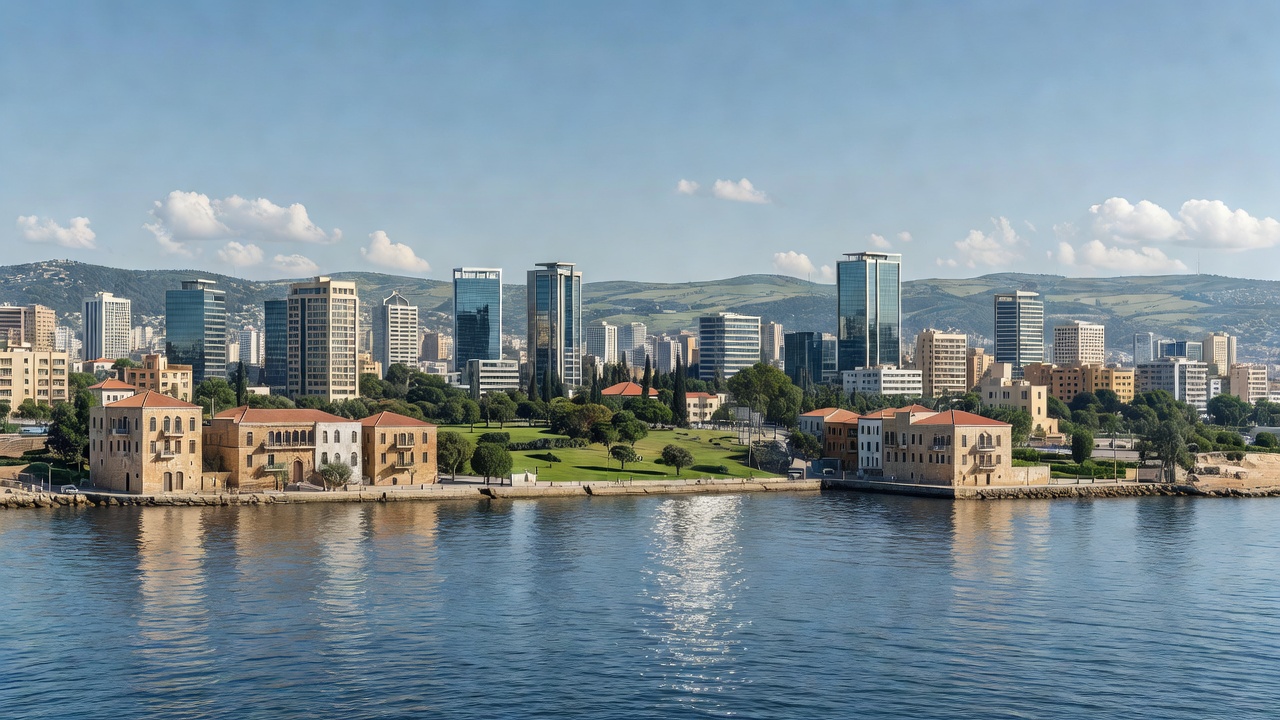

On June 26, 2026, Lebanese President General Joseph Aoun commended the Gulf Cooperation Council’s supportive stance toward Lebanon, describing it as a manifestation of the longstanding fraternal relations between Lebanon and the GCC states. A statement from the Lebanese Presidency said the president valued the bloc’s focus on safeguarding the country’s security, stability and territorial integrity while promoting reforms to bolster state institutions and fulfill the Lebanese people’s aspirations for a robust and equitable governance.
The presidency statement noted that Aoun expressed appreciation for the GCC countries’ advocacy for the extension of Lebanese state authority over its entire territory. It added that the group called for restricting all weapons to official institutions only, consistent with the Lebanese Constitution, UN Security Council Resolution 1701 and decisions by the Lebanese government. President Aoun further conveyed thanks for the GCC’s commitment to ongoing humanitarian and developmental aid that would help ease the nation’s economic challenges and uplift citizens’ living conditions.
According to UN News, Security Council Resolution 1701 was adopted unanimously on August 11, 2006, in response to the conflict between Hezbollah and Israel. The resolution demands a complete stop to hostilities, the withdrawal of Israeli forces from southern Lebanon and the deployment of the Lebanese Armed Forces with an augmented UNIFIL contingent to the area south of the Litani River. It also stipulates that no armed forces other than those of the Lebanese state and UN peacekeepers should operate in that zone, aiming for long-term stability.
A Stimson Center report published in March 2025 detailed how GCC countries have historically extended substantial support to Lebanon through financial aid, investments and reconstruction funding, particularly after the 2006 war. The analysis pointed out that President Aoun’s trip to Saudi Arabia that month represented the first Lebanese presidential visit to the kingdom in eight years, signaling an effort to renew economic and political partnerships. The report further indicated that Lebanese expatriates in the Gulf have contributed significantly via remittances that form a key part of Lebanon’s economy.
World Bank assessments of Arab donor responses have shown that GCC assistance to nations like Lebanon increased notably during periods of regional crisis, with combined official development aid from key Gulf states averaging billions of dollars annually in the late 2000s. A Baker Institute study noted that such funding has targeted infrastructure, post-conflict rebuilding and economic stabilization in Lebanon over multiple decades. These contributions have played a role in addressing fiscal strains and supporting developmental initiatives in the country.
The Lebanese Presidency statement emphasized that President Aoun reaffirmed Lebanon’s dedication to cultivating optimal relations with GCC countries and other Arab states. It highlighted his pledge to advance these ties in diverse domains to promote shared benefits and reinforce regional stability. The statement described these relations as serving common interests between the parties while strengthening stability across the region.