
 ع
ع

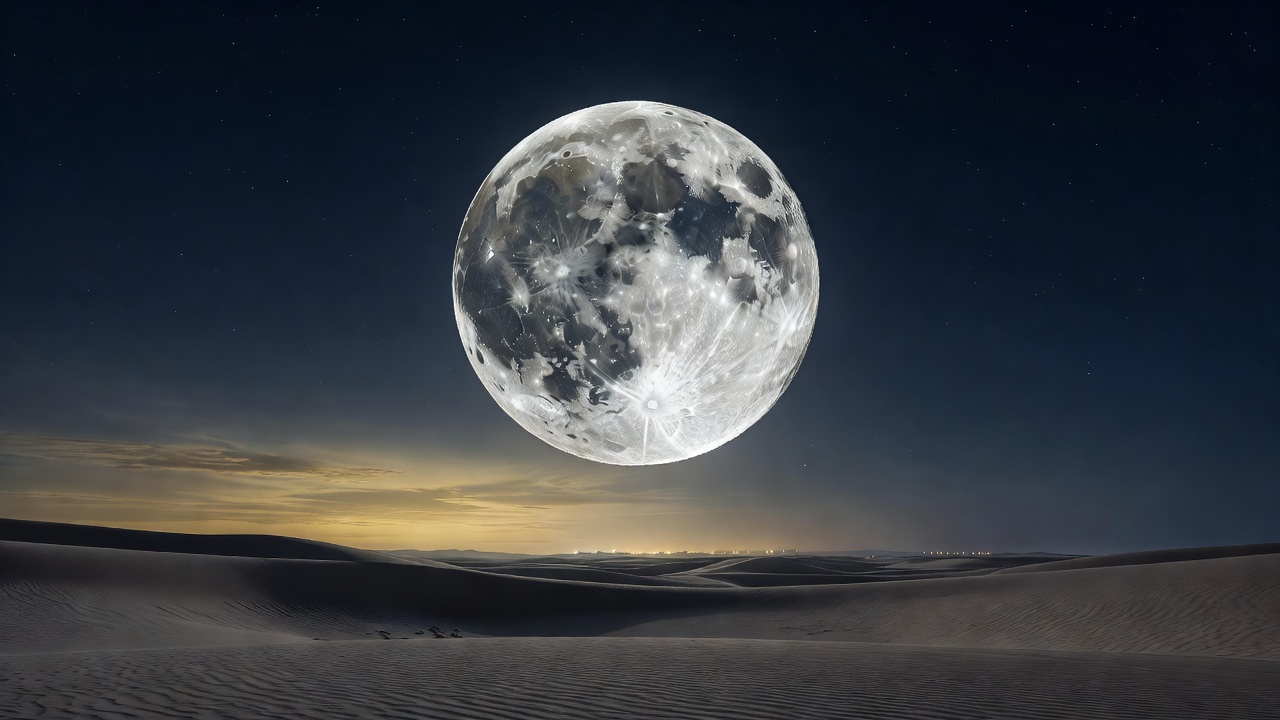

The United Arab Emirates witnessed two full moons during May 2026 with the second on May 31 qualifying as a rare blue moon according to the Emirates Astronomical Society announcement on May 1. Ibrahim Al Jarwan chairman of the Emirates Astronomical Society and member of the Arab Union for Astronomy and Space Sciences stated that the first full moon occurred on May 2 followed by the second at the end of the month. Clear skies across the country provided favourable conditions for viewing especially at moonrise shortly after sunset.
A Gulf News report citing the society detailed that the lunar cycle of around 29.5 days falls short of the 31 days in May allowing two full moons when the first appears early in the month. Al Jarwan explained that such events arise roughly every two to three years making them notable though not particularly rare. The report noted that the blue moon term denotes simply the second full moon in a calendar month similar to names like the Harvest Moon or Hunter’s Moon and carries no visible colour change.
According to the Gulf News article a full moon occurs when the Earth sits between the sun and the moon reflecting sunlight fully onto the side facing Earth. This alignment typically happens once each month yet the calendar occasionally permits a second occurrence within the same period. The Emirates Astronomical Society assessment found that the phenomenon produces no unusual astronomical effects with the moon’s gravitational pull continuing to drive the familiar cycle of tides.
NASA data indicates that blue moons account for only about 6 percent of all full moons occurring on average every two to three years. Astronomical records compiled by NASA show seven blue moons typically take place in every 19-year Metonic cycle a pattern that included the May 2026 event in the UAE. The space agency noted that 2018 saw two blue moons in one year with the next such year projected for 2037.
In the UAE observers could view the moon as bright and steady as in any full phase with binoculars or a small telescope revealing finer surface details including craters and ridges according to the society. The Gulf News report recommended locations away from city lights for optimal viewing of the lunar disc during the late May event. Regional astronomical groups have documented similar conditions enhancing public observation of these calendar-driven lunar alignments.
Subsequent coverage from Gulf News on May 31 described the second full moon as also qualifying as a micromoon with local astronomy groups hosting telescope sessions and educational talks for residents. The Directorate of the Emirates Astronomical Society continued to provide updates on related celestial events throughout the year. NASA resources have consistently framed these occurrences as predictable outcomes of the lunar orbit relative to the Gregorian calendar without broader implications for Earth systems.