

 ع
ع

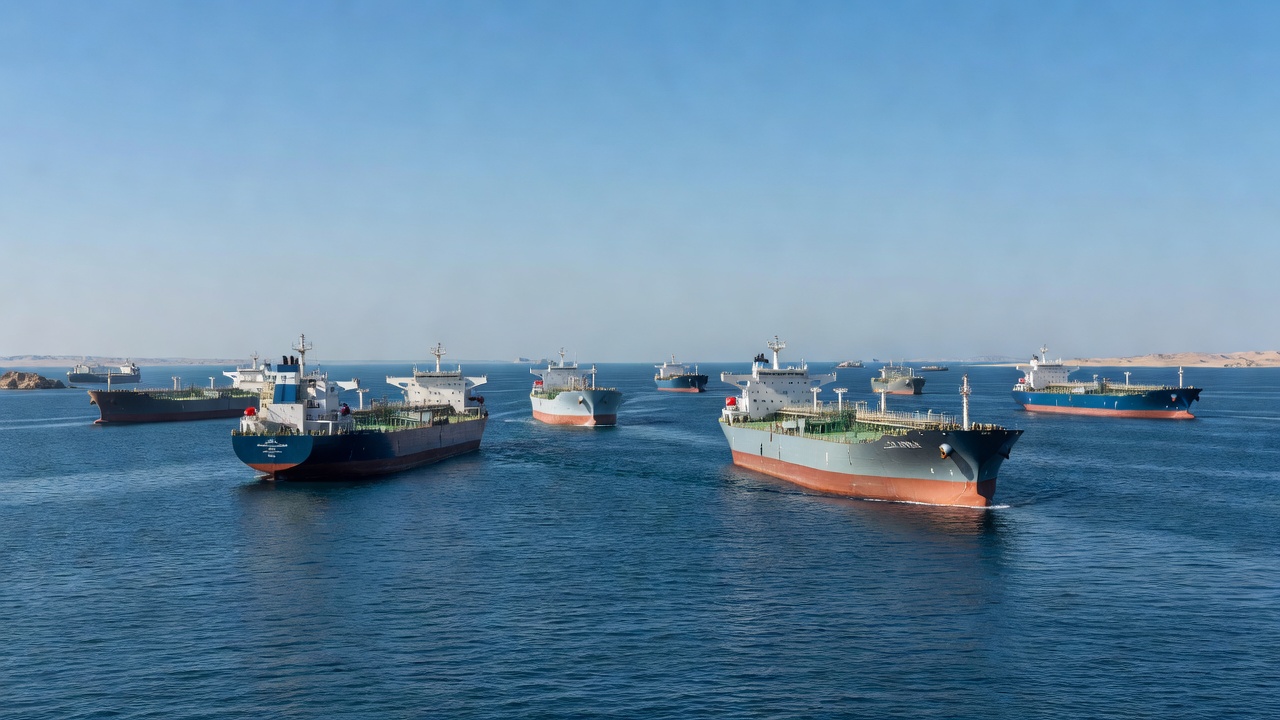

The Saudi Cabinet, chaired by King Salman bin Abdulaziz Al Saud, issued a statement after its weekly meeting that renewed the Kingdom’s rejection of Iranian attacks on commercial ships and tankers while characterising the actions as a serious threat to maritime security. These attacks violate international laws and norms in addition to relevant United Nations Security Council resolutions that guarantee freedom of navigation through the Strait of Hormuz, according to the official readout. The Cabinet stressed that such behaviour undermines regional stability and requires a unified response from the international community.
In the same statement the Cabinet noted the activation of the Multinational Maritime Defense Coalition created to strengthen collective security and protect vital sea routes from further disruption. The alliance focuses on defensive measures to safeguard commercial shipping and energy supplies passing through strategic waterways around the Arabian Peninsula. Saudi Arabia serves as the founding and leading member of the coalition whose headquarters are located in Riyadh.
The Saudi defence ministry announced the formation of the 14-nation coalition on July 30 with partners that include Bahrain, Egypt, Jordan, Kuwait, Pakistan, Qatar and several others, a Reuters report from that period detailed. The group emerged in response to repeated attacks by Iran-aligned Houthi militants that had already forced changes in global shipping patterns through the Red Sea and Gulf of Aden. Its mandate centres on enhancing joint patrols, information sharing and rapid response capabilities without extending to offensive operations at this stage, according to an Al Jazeera assessment published earlier this month.
An International Crisis Group update issued on August 17 documented fresh Houthi claims of ballistic missile strikes against a Saudi vessel and four accompanying ships in the Red Sea only days before the Cabinet meeting. The Iran-backed group has asserted responsibility for multiple attacks on Saudi-linked tankers and energy infrastructure throughout July and August, the monitoring organisation reported. Saudi officials have consistently attributed these incidents to broader destabilisation efforts directed from Tehran.
The Cabinet’s position builds on similar condemnations issued by the Saudi foreign ministry in July that held Iran accountable for aggressions against Kuwaiti border posts, an offshore drilling platform, the Kuwaiti consulate in Basra and Emirati oil tankers. Those statements likewise invoked breaches of sovereignty, the UN Charter and the principles of the Organisation of Islamic Cooperation. The renewed rejection on August 18 underscores the Kingdom’s ongoing demand for an immediate halt to such violations to preserve security across the region.
Qatar News Agency reported from Jeddah that the Cabinet reviewed the maritime security situation alongside other regional developments during the session at Al-Salam Palace. The statement emphasised the importance of international cooperation to deter future threats against commercial navigation. Participating nations in the coalition continue to coordinate on measures that secure trade routes critical to global energy markets.