

 ع
ع

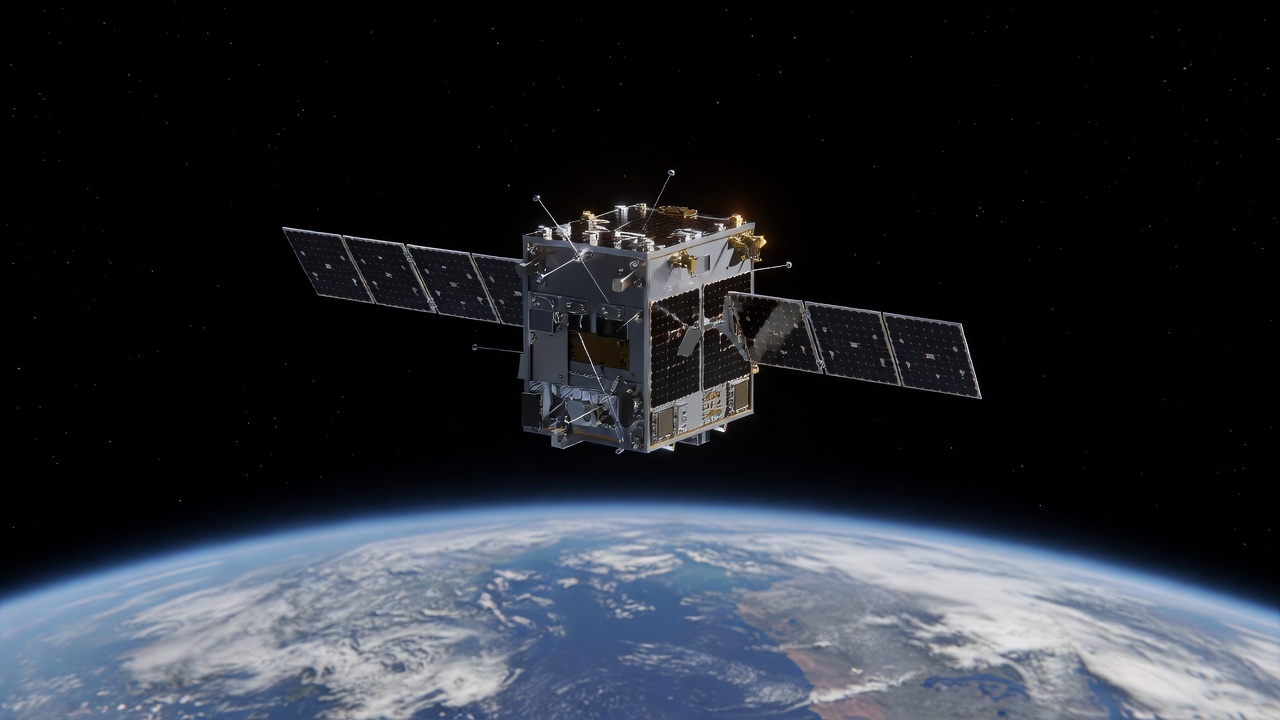

The Saudi Press Agency reported that Saudi Arabia achieved a historic milestone with the launch of its Shams satellite aboard the Artemis II mission on April 5, 2026. The satellite will operate in a highly elliptical orbit to gather space weather data, marking the first such Arab contribution to a NASA crewed flight beyond low Earth orbit.
The Shams satellite is a 12U CubeSat built by the Saudi Space Agency. According to the agency’s dedicated mission page, it was chosen as a rideshare payload following agreements reached in 2025. The project was developed by Saudi talent to support scientific objectives in the Artemis II framework, which includes a 10-day crewed voyage around the Moon.
NASA’s Artemis II represents the initial crewed test of the Orion spacecraft and Space Launch System, the Saudi Space Agency assessment found. Four astronauts will fly the mission, with Shams deployed during the journey to begin its independent operations. Data collected will focus on solar events and their interaction with Earth’s magnetic field.
The Saudi Space Agency was established in 2018 to oversee the Kingdom’s growing space sector, according to official records. It has previously sent astronauts to the International Space Station and developed multiple satellites for Earth observation. The Shams mission extends these efforts into deep space research, the agency said in a statement.
Wikipedia documentation on the SHAMS satellite indicates it is also designated as Space Weather CubeSat-1. Its selection occurred during a state visit by the U.S. president to Saudi Arabia in May 2025. This partnership reflects increasing cooperation between the two countries in space technology.
The satellite’s highly elliptical orbit will allow for extended periods of observation in key regions, according to project specifications released by the Saudi Space Agency. Information gathered is expected to benefit both national and international scientific studies on space weather effects. The agency has emphasized training and involvement of local experts throughout the satellite’s design and testing phases.
In a video overview posted by the Saudi Space Agency, the mission is presented as realizing ambitions of Saudi Vision 2030. The video highlights how the project contributes to innovation and knowledge-based economy goals. Additional details on the satellite’s performance will be released as the mission progresses, the agency noted.