
 ع
ع


The Saudi Ministry of Foreign Affairs issued a statement condemning the reprehensible drone attacks and affirmed the kingdom’s determination to preserve its security and sovereignty. The ministry stressed its right to deter aggressors and respond to the sources of such aggression at the appropriate time. It called on the Iraqi government to take all necessary measures to prevent its territory from being used as a launchpad for attacks against Saudi Arabia. The statement underscored the need for regional cooperation to address threats posed by militant groups operating across borders.
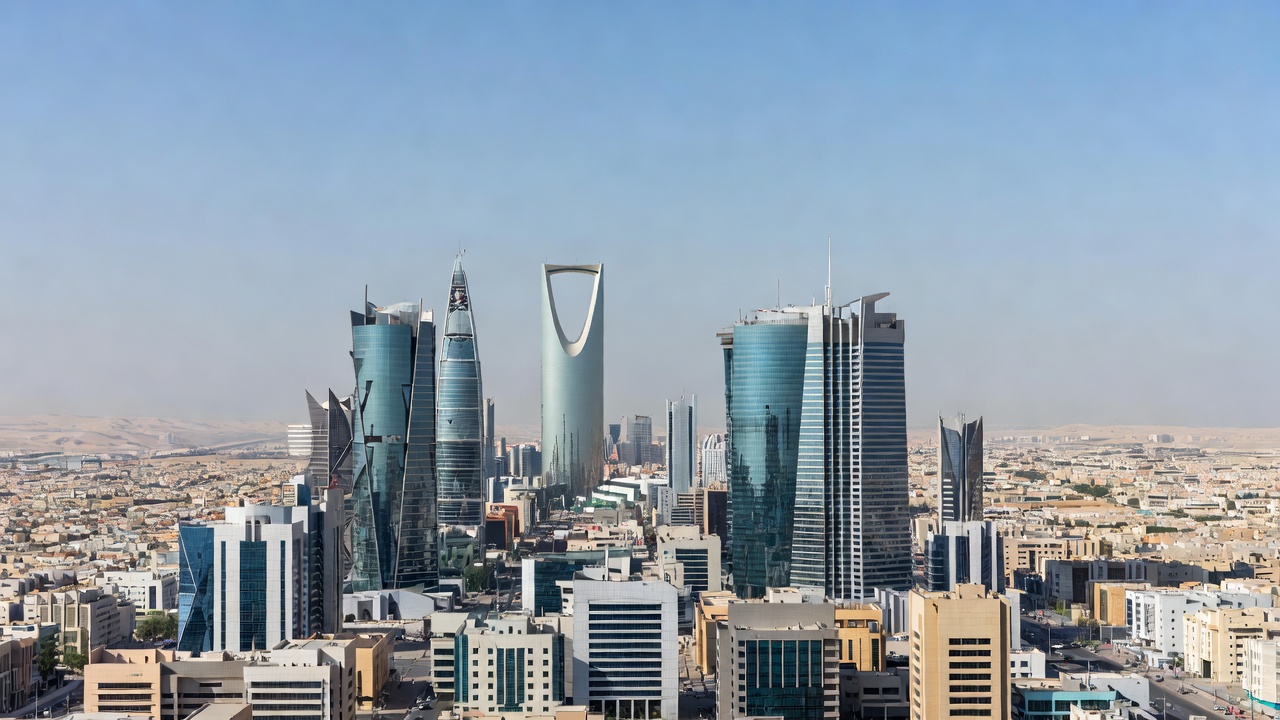
According to the Saudi Ministry of Defense, Major General Turki al-Maliki stated that a number of drones had been intercepted and destroyed in recent hours before they could reach their targets. The official spokesperson identified the attempted targets as oil facilities in the Eastern Province and in Riyadh. Al-Maliki attributed the assaults to terrorist militias affiliated with Iran that had operated from Iraqi territory. The ministry indicated that such incidents represent a direct threat to the kingdom’s vital infrastructure and national security interests.
Major General Turki al-Maliki said, “These terrorist attempts originated from Iraqi territory and were carried out by terrorist militias affiliated with Iran.” The defense ministry emphasized Saudi Arabia’s legitimate right to defend itself and to take all necessary operational measures. This latest interception follows a pattern of similar attempts that have heightened tensions along the shared border region. The spokesperson’s briefing highlighted the effectiveness of Saudi air defense systems in neutralizing the incoming threats.
The Saudi Ministry of Defense has reported comparable drone incidents in recent months, including interceptions of three drones entering from Iraqi airspace in May 2026 that also targeted sensitive sites. Those earlier events prompted the kingdom to summon Iraq’s ambassador and demand stronger action against the responsible militias, according to previous defense ministry announcements. Regional observers have noted that such attacks often coincide with broader geopolitical frictions involving Iranian-backed factions in Iraq. The ministry has consistently warned that repeated violations could necessitate a calibrated response to safeguard Saudi territory.
Iraqi authorities have in past cases condemned similar attacks and pledged investigative cooperation with Saudi officials, as seen in statements following the May incidents reported by multiple regional outlets. The Saudi Ministry of Foreign Affairs has repeatedly urged Baghdad to exert greater control over armed groups operating within its borders. Bilateral discussions between the two countries have focused on security coordination to prevent recurrence of cross-border threats. Such diplomatic engagements form part of ongoing efforts to stabilize relations amid shared concerns over militant activity.
The attacks targeted key economic assets in a nation that maintains significant oil production capacity vital to global energy markets, according to longstanding data from the Organization of the Petroleum Exporting Countries. The Saudi Ministry of Defense has positioned these interceptions as evidence of its commitment to protecting critical infrastructure from external aggression. Officials have called for unified Gulf Cooperation Council support in addressing the underlying sources of instability. This latest condemnation aligns with prior expressions of solidarity from neighboring states following comparable events earlier in the year.