
 ع
ع

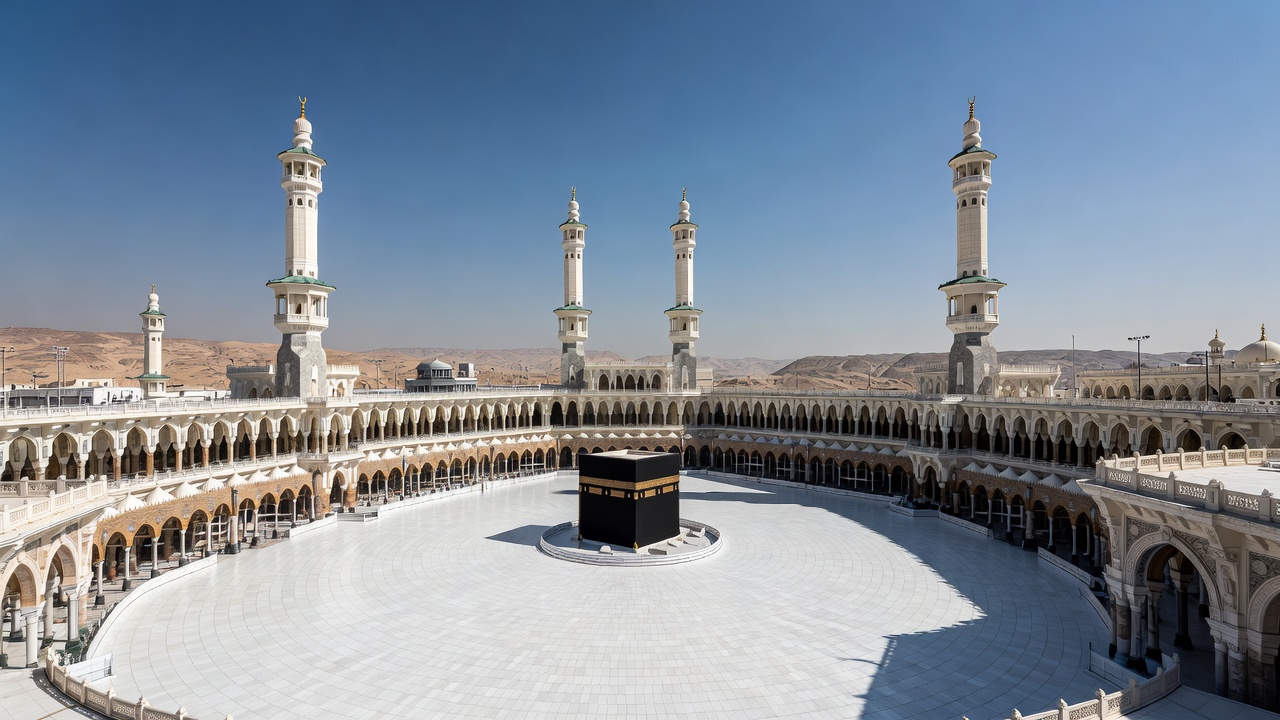

A new analysis has concluded that global heating driven by fossil fuels has fundamentally altered Mecca’s climate, exposing millions of Hajj pilgrims to dangerous heat even outside summer months. The World Weather Attribution group published the study on May 29, 2026, showing that May temperatures now regularly hit 40 degrees Celsius and the monthly average has risen 3.5 degrees Celsius compared with the pre-industrial period. More than 1,301 pilgrims died from the extreme heat during the 2024 Hajj when temperatures exceeded 50 degrees Celsius.
The assessment found that the pilgrimage, during which participants often spend 20 to 30 hours outdoors in crowded conditions, now carries substantially higher risks of heat exhaustion and heat stroke earlier in the year. It referenced prior research indicating that if global temperatures rise by 3 degrees Celsius by the end of the century, roughly 97 percent of all Hajj pilgrimages would take place during periods of dangerous heat. IPCC reports have expressed medium confidence that human-induced climate change is increasing hot extremes across the Arabian Peninsula, where warming has accelerated to around 0.63 degrees Celsius per decade since 1978.
General Authority for Statistics data placed the total number of pilgrims at 1,673,230 for the 2025 Hajj and 1,707,301 for 2026. The lunar calendar advances the event’s dates by 10 or 11 days each year, causing it to cycle through all seasons approximately every 33 years and encounter a wide range of thermal conditions. This pattern has historically included safer cooler periods, but the analysis shows that safe window is steadily contracting.
Prof Friederike Otto said, “However, this requires more than just reactive mitigation. If we don’t rapidly reduce our dependence on fossil fuels – an industry at the very centre of the Saudi economy – we are resigning ourselves to the fact that millions of Muslims will be forced to carry out the hajj rituals in a climate that is simply unsuitable for it.” Dr Clair Barnes stated, “Our analysis shows very clearly that less of the year is now safe for the millions of Muslims who wish to undertake the hajj. As long as we continue to burn fossil fuels, the window for bearable hajj temperatures will continue to shrink.”
Dr Emmanuel Raju said, “Extreme heat during the hajj presents a unique humanitarian challenge because it involves millions of people moving through an outdoor environment for days on end. Measures like misting fans and water stations are vital, but we must face the reality that if temperatures continue to climb at this pace, the health and lives of millions during their pilgrimage is at risk.” Saudi authorities have deployed heat action plans featuring shaded walkways, cooling stations, misting systems and expanded medical services.
The World Weather Attribution study noted that while such measures offer immediate relief, they fall short of addressing the root cause of rising temperatures. Mecca has recorded peaks approaching 52 degrees Celsius in recent Hajj seasons, with high humidity limiting the human body’s ability to cool effectively. Climate projections under high-emissions scenarios foresee further intensification, with some models indicating temperatures could exceed 55 degrees Celsius in future decades.