
 ع
ع

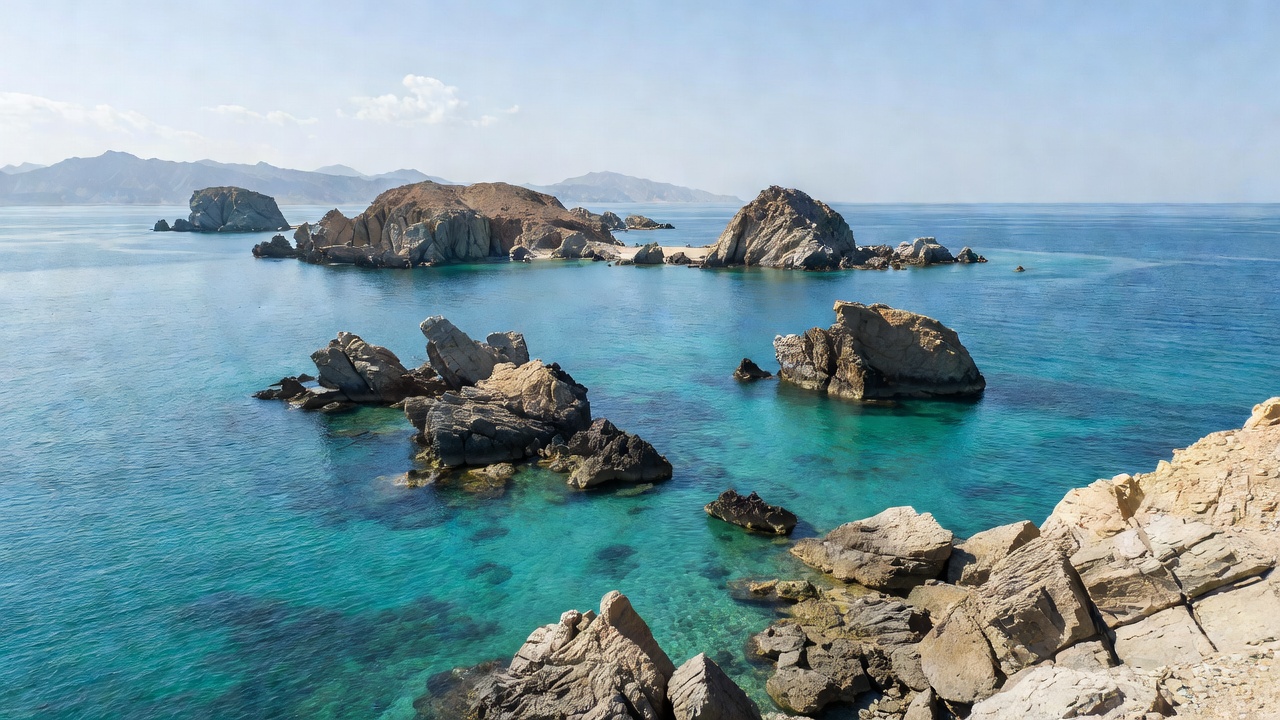

The Ministry of Transport, Communications and Information Technology detailed ongoing efforts to address the spill from the Caroline Bezengi, which remains tilted at a 17-degree angle on a rocky outcrop with one side flooded. Crews face a slippery deck that renders operations unsafe along with the absence of reliable power sources for equipment on board the vessel. The ministry stressed that the work aims to mitigate environmental damage in the Dhofar region while ensuring navigational safety in surrounding waters.
Qatar News Agency reported that the tanker first grounded in June after experiencing difficulties off Yemen, an incident that led to progressive leakage of its cargo. Reuters data shows the Caroline Bezengi, a 274-metre vessel built in 2001, had loaded nearly one million barrels of Russian crude at the Black Sea port of Novorossiysk in April before transiting the Suez Canal. The ship forms part of a shadow fleet subject to sanctions by the European Union, United Kingdom and other governments, with its registered owner and manager appearing to be China-based entities that have not responded to outreach.
Oman’s Environment Authority assessment from earlier in the month placed the oil slick at roughly 390 square kilometres, extending close to the mainland and threatening a marine protected area established by royal decree last year. Al Jazeera reports indicated that by mid-August the pollution had begun affecting beaches along the Ras Madrakah coastline, prompting deployment of cleanup crews to a stretch measuring approximately 12 kilometres. Associated Press accounts note that a British salvage firm has since been contracted to stabilise the tanker and prevent further release of cargo in the Hallaniyat Islands zone.
The protected waters around the grounding site support diverse species including Arabian Sea humpback whales, sea turtles and seabirds, according to a Reuters summary of the reserve’s ecological profile. Experts cited by Reuters and Al Jazeera warned that prolonged exposure could lead to long-term contamination similar to remnants observed years after the Exxon Valdez incident if oil reaches shallower coastal areas. SkyTruth chief executive John Amos told Reuters that satellite imagery through early August showed no signs of stabilisation activity at the site despite the spill’s duration exceeding two months.
International Maritime Organization monitoring has tracked the incident as part of a series of recent maritime pollution events, with the Oman Environment Authority continuing regular assessments of the slick’s movement toward Masirah Island. The ministry’s update via Qatar News Agency confirmed that response teams maintain focus on containing the pollution while coordinating with relevant agencies to limit impacts on local marine habitats. No injuries have been reported in connection with the salvage work under the prevailing conditions.